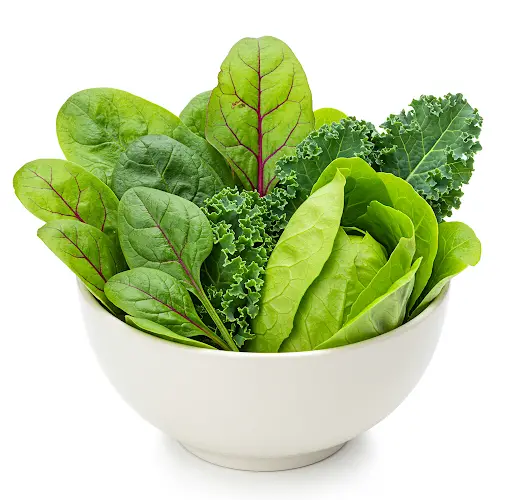
How to Make Powerful Liquid Fertilizer from Vegetable Leaves
Every time we harvest fresh vegetables from the garden, we’re often left with discarded parts—leafy tops, peels, and trimmings. Most of the time, these scraps end up in the trash or compost bin. But did you know these vegetable leaves can be turned into a highly effective liquid fertilizer? Instead of tossing them out, you can repurpose these nutrient-rich remains to create a natural boost for your plants.
This simple process requires no special equipment or costly ingredients. It’s a method that makes use of materials you already have and turns garden waste into something valuable for your soil and crops. Here’s how you can make your own vegetable leaf liquid fertilizer at home.
Step 1: Collect the Vegetable Leaves
Start by collecting the leaves and scraps from vegetables—anything you would normally discard. Leaves from carrots, radishes, beets, turnips, cabbages, and other leafy greens work especially well. Set them aside every time you harvest or prep vegetables. Once you’ve gathered enough, you’re ready to begin.
Step 2: Prepare the Bucket
Use a clean 5-gallon (approximately 20-liter) bucket for this process. Place the collected vegetable leaves into the bucket, packing them tightly. The more compacted they are, the better. Press them down to make room for as many scraps as possible. This compression helps release their natural juices during the fermentation process.
Step 3: Apply Weight
Adding weight is a crucial part of the process. It helps press the leaves, forcing out the nutrient-rich liquids. Place a clean, heavy object—such as a rock, brick, or any sanitized household item—on top of the leaves. The weight should fit inside the bucket and press down firmly but not spill over.
Step 4: Cover and Store
Cover the bucket with a cloth or a loosely fitting lid. This keeps pests and debris out while still allowing some airflow, which is important during fermentation. Do not seal the container tightly—the leaves need ventilation. Place the bucket in a spot with partial shade. Direct sunlight may accelerate spoilage, while total darkness can slow the decomposition process too much. A cool, shaded area is ideal.
Step 5: Let It Ferment
Now comes the waiting. Leave the bucket undisturbed for 2 to 3 weeks. During this time, the weight will gradually press the leaves, and the materials will begin to decompose. This process breaks the plant matter down and releases a dark, thick liquid at the bottom of the bucket.
This concentrated liquid is your finished fertilizer—but be warned, it won’t smell pleasant. As with most fermented organic matter, the odor can be strong, but it fades quickly once diluted and applied to soil.
Step 6: Extract and Store the Fertilizer
After 2 to 3 weeks, carefully remove the weight from the bucket. Then pour the liquid into another clean container, tilting the bucket if needed to collect every drop. This liquid is rich in nutrients and is what your plants will love.
The leftover decomposed leaves in the bucket aren’t waste either. Add them to your compost pile, where they’ll continue breaking down and contribute to healthier soil over time.
Step 7: Dilute Before Use
This liquid fertilizer is highly concentrated and must be diluted before application. Mix 500 milliliters (about 2 cups) of the extracted liquid with 15 liters of water. Stir well to ensure an even blend. This dilution ensures the fertilizer is safe for plants while delivering all the beneficial nutrients.
Step 8: Apply to Plants
Use a watering can to apply the diluted fertilizer at the base of your plants. Focus on the soil near the roots, where nutrient absorption happens. This method nourishes the plants directly without risk of leaf burn or fungal issues.
Within a few weeks, you’ll likely see stronger, greener growth, improved flowering, and healthier produce. The nutrients in the vegetable leaves—especially nitrogen and potassium—help stimulate robust plant development.
Additional Tips
-
Use this fertilizer during the active growing season when plants need a nutrient boost.
-
Keep the bucket in a well-ventilated area to manage the odor during fermentation.
-
This fertilizer is especially useful for vegetables, flowering plants, and tired soil that needs rejuvenation.
Final Thoughts
Creating liquid fertilizer from vegetable leaves is a sustainable, zero-waste practice that transforms kitchen and garden scraps into powerful nourishment for your plants. It’s easy, affordable, and incredibly effective. With just a bucket, some leaves, and a bit of patience, you can enrich your garden soil and boost your harvest naturally.
Next time you harvest vegetables, don’t throw those leaves away—they might be the key to your most productive garden yet.


