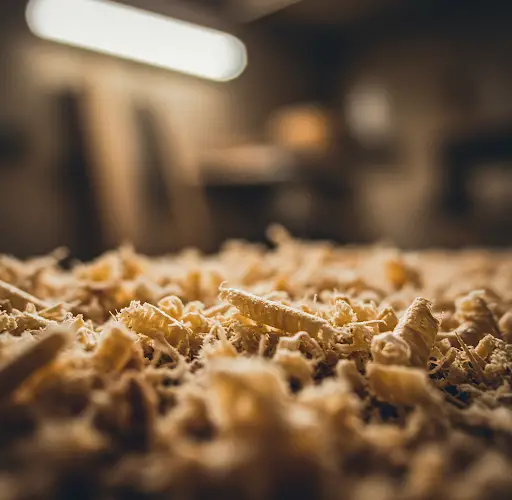
Sawdust is often seen as a byproduct of woodworking, frequently discarded without a second thought. But in the world of gardening, it’s one of the most versatile and valuable materials you can incorporate into your routine. From improving soil structure to conserving moisture, sawdust offers a range of benefits that are often overlooked. Let’s explore three effective ways to use sawdust in your garden to enhance plant health and soil vitality.
1. Sawdust as Mulch
One of the most beneficial and straightforward uses of sawdust in the garden is as a mulch. Whether you’re growing fruit trees, vegetables, or ornamental plants, applying a layer of sawdust around the base of your plants creates a protective covering that serves multiple functions.
Sawdust mulch helps regulate soil temperature by acting as an insulating layer. During hot weather, it keeps the soil cool, and in cold seasons, it helps retain warmth. This temperature regulation provides a stable environment for plant roots, promoting healthier growth.
Another key advantage of sawdust mulch is its ability to suppress weed growth. By blocking sunlight from reaching the soil, sawdust creates a natural barrier that prevents weed seeds from germinating. This reduces the need for constant weeding and allows gardeners to focus on more productive tasks.
In addition, sawdust excels at moisture retention. It slows down the evaporation of water from the soil, reducing how often you need to water your garden. This is especially beneficial during dry spells or in areas with limited water availability.
Over time, as the sawdust breaks down, it adds organic matter to the soil. This gradual decomposition improves soil structure, enhances fertility, and increases microbial activity—all crucial elements for a thriving garden.
2. Sawdust in Garden Bed Construction
Sawdust can also play a critical role in building and maintaining healthy garden beds, especially in regions that experience extreme seasonal temperatures. By layering sawdust with other organic materials, you can create a resilient bed that protects plant roots and nourishes the soil.
Start by planting a cover crop, such as mustard. Cover crops are known for improving soil health by fixing nitrogen, breaking up compacted soil, and adding organic matter when they decompose. Once the cover crop matures, it doesn’t need to be pulled up. Simply level it flat into the bed, allowing it to remain as part of the organic base.
Next, add a layer of compost. Compost introduces vital nutrients and beneficial microorganisms to the soil, which are essential for plant development. It also helps in initiating the breakdown of the cover crop layer.
Finally, top everything with a thick layer of sawdust. This top layer acts as a shield, protecting the microbial life in the compost and cover crop layer below. In winter, sawdust insulates the bed, preventing the soil from freezing and safeguarding plant roots. In summer, it serves as a barrier against intense sunlight, keeping the soil cool and moist.
This layering method not only enhances the long-term fertility of the soil but also minimizes water loss and prevents erosion during heavy rains. As the sawdust decomposes, it continues to feed the soil with organic matter, ensuring that your garden bed remains productive and resilient year after year.
3. Sawdust for Mushroom Cultivation
Sawdust is an ideal medium for growing mushrooms, particularly in controlled environments such as poly bags. This method is both simple and efficient, making it accessible for home gardeners interested in growing their own mushrooms.
To begin, sterilize the sawdust to eliminate any competing fungi or bacteria. Then, fill the poly bags with the sterilized sawdust and add mushroom spawn. Seal the bags and store them in a dark, cool, and humid location. Over time, the mushroom mycelium will colonize the sawdust and begin to produce fruiting bodies.
Sawdust provides the perfect balance of nutrients for mushroom growth and helps maintain the right moisture content within the growing environment. After harvesting the mushrooms, the remaining sawdust can be composted and used to further enrich your garden soil.
Final Thoughts
Sawdust is far more than just a byproduct—it’s a multi-purpose asset in any garden. Whether used as mulch, in garden bed construction, or for mushroom cultivation, it offers a sustainable and cost-effective way to improve plant health and soil quality. With regular use, sawdust can enhance moisture retention, suppress weeds, regulate soil temperature, and even contribute to composting efforts.
The next time you have access to clean, untreated sawdust, don’t throw it away. Put it to good use in your garden and take advantage of this natural, eco-friendly material. Your plants, soil, and garden ecosystem will thank you.


