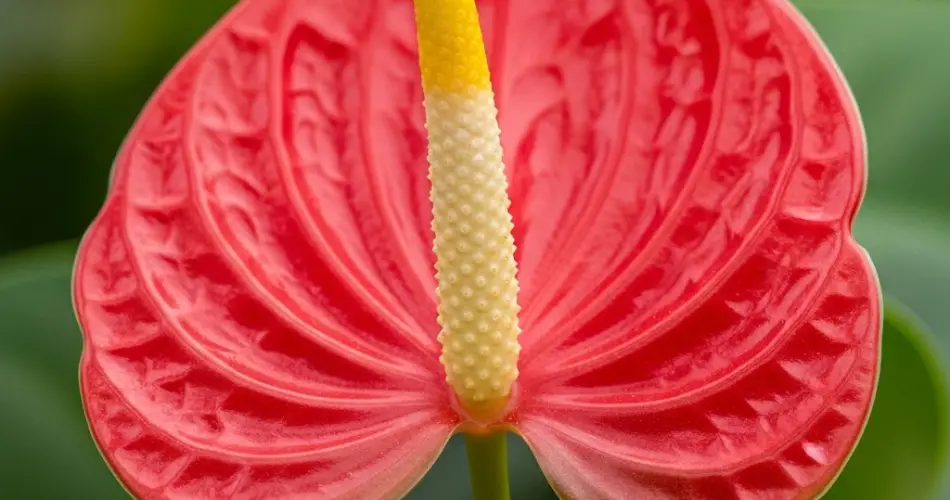
Flamingo flowers, also known as anthuriums, are beloved for their glossy leaves and striking, heart-shaped spathes that resemble colorful blooms. Native to the tropical rainforests of Central and South America, these eye-catching plants are often grown indoors for their long-lasting “flowers” that actually consist of brightly colored spathes surrounding a spadix.
If your anthurium is producing small or sparse blooms—or none at all—don’t worry. With just a few changes in care and conditions, you can encourage bigger, more vibrant blooms and keep the plant flowering year-round. Here’s what you need to know.
1. Light Is Key—But Not Direct Sunlight
Anthuriums thrive in bright, indirect light. Too little light and they’ll stop blooming altogether. Too much direct sunlight, on the other hand, can scorch the leaves and flowers, leaving the plant stressed and unproductive.
The fix:
Place your flamingo flower near a window that receives filtered light, such as an east- or north-facing window. If your only option is a bright, south-facing window, use sheer curtains to diffuse the light. In low-light conditions, consider using a grow light to supplement.
2. Provide the Right Temperature and Humidity
Flamingo flowers are tropical by nature and need warm, humid conditions to thrive. If they’re exposed to cold drafts or dry air, flowering can stall.
Ideal conditions:
-
Temperature: 65°F to 85°F (18°C to 29°C)
-
Humidity: Above 60%
Tips to boost humidity:
-
Mist the leaves lightly in the morning.
-
Use a humidifier nearby.
-
Group it with other tropical plants.
-
Place the pot on a humidity tray filled with water and pebbles.
Avoid placing the plant near heaters, AC vents, or cold windows during winter.
3. Keep the Soil Moist—but Not Wet
Overwatering or underwatering can stress anthuriums and affect their ability to bloom. The roots prefer evenly moist, well-drained soil. Soggy soil can lead to root rot, while overly dry soil results in stunted growth and fewer flowers.
Watering tips:
-
Water when the top 1–2 inches of soil feel dry to the touch.
-
Reduce watering in winter when the plant grows more slowly.
-
Use room-temperature water and avoid wetting the leaves too much.
Make sure the pot has drainage holes and that the soil never stays waterlogged.
4. Use the Right Potting Mix
Flamingo flowers do best in a loose, airy soil mix that drains quickly. A dense, compacted mix can suffocate roots and prevent healthy growth.
Recommended mix:
-
1 part orchid bark
-
1 part perlite
-
1 part peat moss or coco coir
This combination mimics the epiphytic conditions anthuriums experience in the wild and allows roots to breathe while holding just enough moisture.
5. Feed for Flowers
Anthuriums are light feeders, but they benefit greatly from the right fertilizer during the growing season. A balanced or phosphorus-rich fertilizer encourages bigger and more frequent blooms.
Feeding schedule:
-
Use a liquid houseplant fertilizer every 6–8 weeks during spring and summer.
-
Choose a fertilizer with a higher middle number (such as 10-30-20) to promote blooming.
-
Avoid overfeeding, which can lead to salt buildup and leaf burn.
Flush the soil every couple of months to remove excess salts by watering deeply and letting the water drain out completely.
6. Prune to Encourage New Blooms
Removing faded or damaged blooms and leaves can stimulate the plant to produce new growth. This redirects energy away from maintaining old parts and toward creating fresh flowers.
How to prune:
-
Use clean, sharp scissors or pruning shears.
-
Cut dead flowers at the base of their stems.
-
Remove yellowing or browning leaves regularly.
Regular grooming also keeps the plant looking tidy and healthy.
7. Repot When Necessary
If your flamingo flower has been in the same pot for over two years, or you notice roots growing out of the drainage holes, it may be time to repot. A rootbound plant struggles to absorb nutrients and water, which can limit blooming.
When to repot:
-
Every 2–3 years
-
In spring or early summer, during the growing season
Move the plant to a pot one size larger with fresh potting mix.
Final Thoughts
Flamingo flowers are not only visually stunning but also rewarding to grow—especially when you understand what they need. To encourage bigger, more frequent blooms, focus on creating a tropical environment indoors: bright but indirect light, consistent moisture, proper feeding, and high humidity.
By paying attention to these care fundamentals, your anthurium will reward you with vibrant, long-lasting flowers that truly live up to their nickname. With a little patience and the right conditions, bigger blooms are just around the corner.


