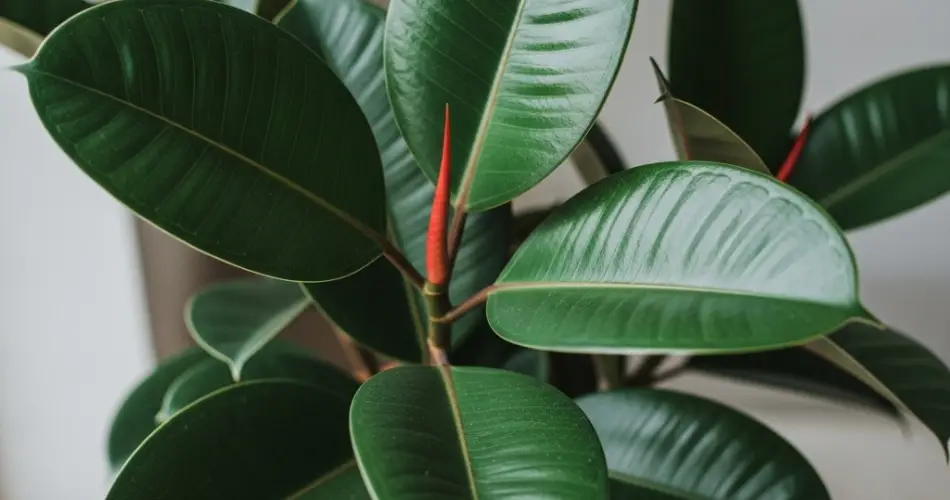
Rubber plants (Ficus elastica) are known for their glossy, deep green leaves and sturdy upright growth. They’re relatively easy to care for, making them a favorite among indoor plant enthusiasts. But if your once-perky rubber plant is suddenly drooping, it’s a clear sign that something isn’t quite right.
Fortunately, drooping rubber plant leaves are usually a symptom of a solvable issue. With a little investigation and some care adjustments, your plant can bounce back to full health. Here’s a comprehensive guide to understanding why rubber plant leaves droop — and how to fix it.
1. Underwatering
Symptoms: Drooping, curled, or dry leaves; soil pulling away from the pot’s edges.
Rubber plants need consistent moisture to thrive. If the soil is too dry, the plant can’t take up enough water, causing the leaves and stems to droop. Extended periods of underwatering may even lead to leaf drop.
Solution:
-
Stick your finger into the soil. If it feels dry more than 2 inches down, it’s time to water.
-
Water thoroughly until excess drains out the bottom of the pot.
-
Avoid letting the plant sit in dry soil for too long between waterings.
-
Consider a regular watering schedule — typically once a week, depending on your climate and indoor humidity.
2. Overwatering
Symptoms: Drooping leaves that are soft or yellowing; soggy soil; foul smell from the pot.
While underwatering causes limpness due to dehydration, overwatering leads to root rot — which also prevents the plant from absorbing water properly. Drooping in this case is a sign of stress from damaged roots.
Solution:
-
Check the potting soil. If it’s constantly wet or soggy, let it dry out before watering again.
-
Make sure the pot has drainage holes.
-
Repot the plant if the roots are mushy or black — a sign of rot.
-
Use well-draining soil and avoid watering on a strict schedule; instead, water based on soil moisture.
3. Low Humidity
Symptoms: Leaf drooping with crispy or brown edges.
Rubber plants are tropical by nature and prefer moderate to high humidity. In dry indoor environments, especially in winter, the air can become too arid, leading to drooping leaves.
Solution:
-
Mist the plant regularly.
-
Use a humidity tray or a room humidifier.
-
Group it with other plants to create a more humid microclimate.
-
Keep it away from heaters or air conditioning vents.
4. Poor Lighting
Symptoms: Drooping and pale or slow-growing leaves.
Rubber plants prefer bright, indirect light. If your plant is in a dim corner or getting too much direct sun, it may become stressed, causing the leaves to droop.
Solution:
-
Move the plant to a spot with filtered sunlight — near an east or west-facing window.
-
Avoid placing it in direct afternoon sunlight, which can scorch the leaves.
-
If natural light is limited, consider using a grow light.
5. Temperature Stress
Symptoms: Sudden drooping after temperature changes or exposure to cold drafts.
Rubber plants prefer temperatures between 60–75°F (16–24°C). Exposure to cold air, drafts, or sudden temperature shifts can stress the plant and cause leaves to sag.
Solution:
-
Keep the plant away from drafty windows, doors, and air vents.
-
Avoid sudden changes in room temperature.
-
Ensure it’s not placed near heating elements or cold tile floors.
6. Transplant Shock
Symptoms: Drooping shortly after repotting or moving the plant.
If you recently repotted your rubber plant or moved it to a new location, it may temporarily droop due to transplant shock. This is a common response to disturbance in the root system or environmental conditions.
Solution:
-
Give the plant time to adjust.
-
Ensure it’s in the right light and watered properly.
-
Avoid fertilizing or disturbing the plant further until it recovers.
7. Root-Bound Plant
Symptoms: Drooping and stunted growth; roots circling inside the pot or growing through drainage holes.
If the roots have outgrown the pot, they may struggle to absorb water and nutrients, causing the plant to droop.
Solution:
-
Gently remove the plant from its pot and inspect the roots.
-
If the roots are tightly packed, it’s time to repot.
-
Choose a pot one size larger and use fresh, well-draining soil.
8. Pests
Symptoms: Drooping with yellowing or sticky leaves; visible bugs like spider mites or mealybugs.
Pest infestations can weaken the plant and lead to drooping.
Solution:
-
Inspect the undersides of leaves and stems.
-
Wipe the leaves with a damp cloth and use insecticidal soap or neem oil to treat infestations.
-
Isolate the plant to prevent pests from spreading.
Final Tips for Rubber Plant Recovery
-
Patience is key. Once you’ve corrected the issue, it may take a few weeks for the plant to perk up.
-
Rotate the plant occasionally to ensure even light exposure.
-
Clean the leaves regularly to remove dust and allow for better light absorption.
With proper attention and care, a drooping rubber plant can bounce back and thrive. Observe your plant’s needs, adjust accordingly, and enjoy watching those vibrant, glossy leaves return to their upright, healthy state.


