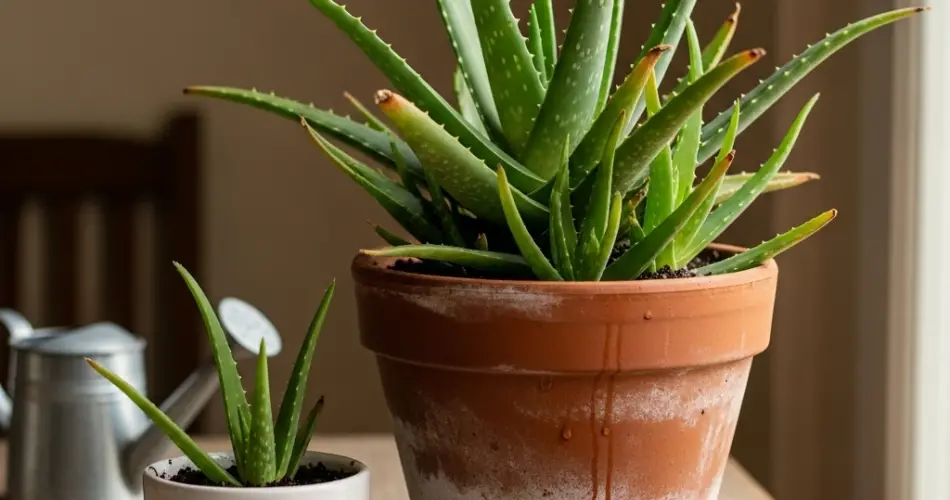
Aloe vera is a beloved plant known for its soothing gel, striking appearance, and resilience. It’s not just a decorative succulent—it’s also a natural remedy provider, making it a functional and beautiful addition to any home. While aloe vera is famously easy to grow, the choice of container plays a major role in its health and longevity. Selecting the right pot can mean the difference between a thriving plant and one that struggles.
This guide covers everything you need to know about choosing the best pot for aloe vera so it can flourish year after year.
Why Pot Choice Matters for Aloe Vera
Aloe vera plants have thick, fleshy leaves that store water, enabling them to survive in dry environments. This water-retention ability also makes them highly sensitive to overwatering. The wrong container can trap too much moisture, leading to root rot—the most common cause of aloe plant failure.
A well-suited pot helps regulate moisture levels, supports root health, and complements the plant’s upright, architectural growth.
Key Features of the Ideal Aloe Vera Pot
When selecting a pot for aloe vera, keep these factors in mind:
1. Drainage Holes Are Essential
The number one rule for aloe vera containers is proper drainage. The pot must have at least one hole at the bottom to allow excess water to escape. Without this, water can pool around the roots, causing decay.
2. Material Matters
-
Terracotta or clay pots are the top choice for aloe vera. They are porous, allowing excess moisture to evaporate and reducing the risk of overwatering. They also have a natural, earthy look that pairs beautifully with aloe’s desert origins.
-
Ceramic pots can work well if they have drainage holes, but glazed ceramic retains more moisture, so watering should be adjusted.
-
Plastic pots are lightweight and affordable but retain water longer, requiring extra care to prevent overwatering.
3. Size and Shape
Aloe vera prefers a slightly snug fit in its container. The pot should be just a couple of inches wider than the plant’s root ball. Too much extra space means more soil, which can hold excess water and slow drying time.
A shallow pot is often better than a very deep one, as aloe vera roots grow outward more than downward. This allows for stable growth while keeping soil moisture balanced.
Matching Soil to the Pot
Even the best container won’t help much without the right soil. Aloe vera thrives in a fast-draining mix, similar to what’s used for cacti and other succulents. An ideal mix might include:
-
2 parts cactus or succulent potting mix
-
1 part coarse sand or perlite for aeration
This combination prevents water from lingering around the roots while still giving the plant enough nutrients to grow.
Repotting Aloe Vera the Right Way
Aloe vera doesn’t need frequent repotting and often thrives when slightly root-bound. Repot every 2–3 years or when the plant becomes top-heavy or outgrows its container.
When repotting:
-
Choose a new pot just one size larger than the current one.
-
Remove the plant carefully, checking for any damaged or rotting roots. Trim these away with clean scissors.
-
Refresh the potting mix and set the plant at the same depth it was growing before.
-
Avoid watering for a few days after repotting to let the roots adjust.
Positioning and Care in the New Pot
Once in its new container, place aloe vera in a location with bright, indirect sunlight. Too much direct midday sun can cause the leaves to scorch, while too little light can make the plant leggy and weak.
Water sparingly, allowing the soil to dry out completely between waterings. In most indoor settings, watering every 2–4 weeks is sufficient, with less frequent watering in cooler months.
Common Potting Mistakes to Avoid
Using pots without drainage: Even if you add a layer of rocks at the bottom, water can still collect and cause root damage.
Choosing oversized pots: Extra soil retains more moisture than aloe vera needs, leading to slow drying and higher risk of rot.
Neglecting pot material: While any pot with drainage can work, porous materials like terracotta give an extra layer of protection against overwatering.
Final Thoughts
The right pot is more than just a decorative holder for your aloe vera—it’s a crucial tool for keeping your plant healthy. By choosing a container with proper drainage, the right size, and a suitable material, you set your aloe up for years of strong growth and beauty.
Pair the perfect pot with fast-draining soil and mindful watering, and your aloe vera will reward you with lush, green leaves ready to provide both beauty and natural benefits. With the right start, your aloe plant will thrive effortlessly, bringing a little desert charm into your home.


