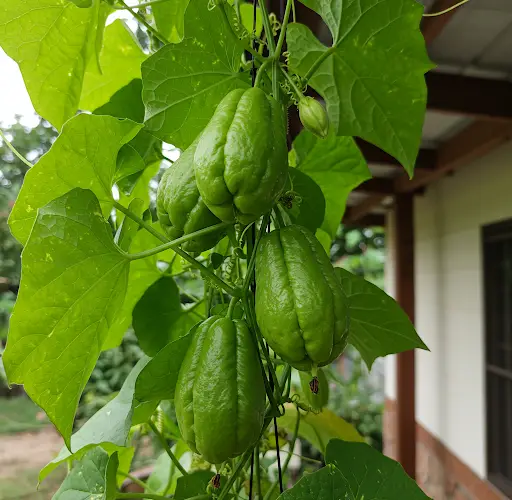
How to Grow Chayote on the Terrace for a Bountiful Harvest
Chayote, a unique and nutritious vegetable, is often referred to as a “vegetable pear” due to its shape. Native to Central America, this green, wrinkled fruit belongs to the gourd family and thrives in tropical and subtropical climates. While traditionally grown in the ground, it is increasingly becoming popular among urban gardeners who want to grow it on their terrace or balcony. The process of growing chayote on a terrace is simple and offers many advantages, including the ability to harvest a plentiful crop without requiring a large space.
Choosing the Right Space
One of the key factors for growing chayote on the terrace is selecting the ideal location. Chayote vines need plenty of sunlight to flourish, so choose a spot where they will receive at least 6-8 hours of direct sunlight each day. The terrace should be well-ventilated and not prone to strong winds, as the plants can become top-heavy as they grow.
It’s important to ensure that your terrace has a sturdy railing or structure for the vines to climb. Chayote is a climbing plant, and it will need support to grow vertically. You can use a trellis, netting, or even string to guide the vines as they grow. Using vertical space not only saves ground space but also improves air circulation and reduces the risk of disease.
Preparing the Planting Bed
Chayote thrives in well-drained soil that is rich in organic matter. On your terrace, you can plant it in large containers or raised beds, as long as they have good drainage holes. If you’re using containers, opt for ones that are at least 12-18 inches deep to give the plant enough space for its roots to spread. A mix of compost, garden soil, and some sand will provide the perfect environment for your chayote to grow.
Before planting, ensure the soil is loose and well-aerated. You can improve soil fertility by mixing in some organic fertilizer or compost. Chayote, like many other plants, benefits from regular feeding. A balanced fertilizer with high phosphorus content is ideal to promote strong root development and blooming.
Planting the Chayote
To plant chayote, start with a healthy, mature fruit. Select a firm chayote that is free from blemishes or signs of rot. Unlike most plants, chayote is typically grown from the fruit itself, not seeds. Simply take the whole chayote and bury it partially in the soil, leaving a portion of it exposed above the ground. Place it horizontally with the pointed end facing upward.
Make sure the soil around the chayote is moist but not waterlogged. Water the plant thoroughly after planting, and keep the soil consistently moist during the growing period. Chayote plants are relatively low-maintenance, but they do appreciate regular watering, especially during hot, dry periods.
Care and Maintenance
Chayote vines are vigorous growers and need a bit of attention to ensure they remain healthy and productive. Here are some essential care tips for growing chayote on your terrace:
-
Watering: Chayote requires moderate watering, especially during the warmer months. However, avoid over-watering, as this can lead to root rot. Ensure that the container or bed has excellent drainage to prevent water from accumulating around the roots.
-
Pruning: As chayote is a climbing vine, it can become quite bushy. Regular pruning is important to keep the plant manageable. Remove any dead or yellowing leaves, and trim back excess growth to prevent the vine from becoming too tangled. This also helps improve air circulation around the plant.
-
Support: As the vines grow, they will need something to climb. A trellis, fence, or sturdy netting is perfect for supporting the plant. Train the vines gently to climb vertically and make sure they are securely attached to the support structure.
-
Fertilizing: Feed your chayote plants every 4-6 weeks with a balanced fertilizer. You can also supplement with organic fertilizers like compost or well-rotted manure to provide essential nutrients.
-
Pest Control: Although chayote is relatively pest-resistant, you may occasionally encounter issues with aphids or caterpillars. If this happens, gently wash the leaves with soapy water or use organic insecticides to address the problem.
Harvesting Chayote
Chayote typically takes 3-4 months to reach maturity, depending on the growing conditions and climate. The fruit is ready to harvest when it reaches the size of a small pear, and the skin has developed a slight wrinkle. To harvest, gently twist the fruit off the vine, taking care not to damage the plant. You can also harvest the young leaves and tendrils for cooking, as they are edible and packed with nutrients.
Chayote vines can produce many fruits throughout the growing season, making them an excellent addition to any urban terrace garden. When well cared for, a single plant can produce multiple chayotes, providing you with a bountiful harvest for months.
Conclusion
Growing chayote on the terrace is a rewarding and simple process that offers numerous benefits. With the right location, soil, and care, you can enjoy fresh chayote right from your own terrace, even in an urban setting. The climbing nature of the plant makes it an ideal choice for small spaces, and its bountiful harvest will keep your kitchen stocked with nutritious produce.
Whether you’re an experienced gardener or just starting out, chayote is an excellent choice for terrace gardening. It’s easy to grow, and with a little attention, you can reap the rewards of a healthy, productive plant.


