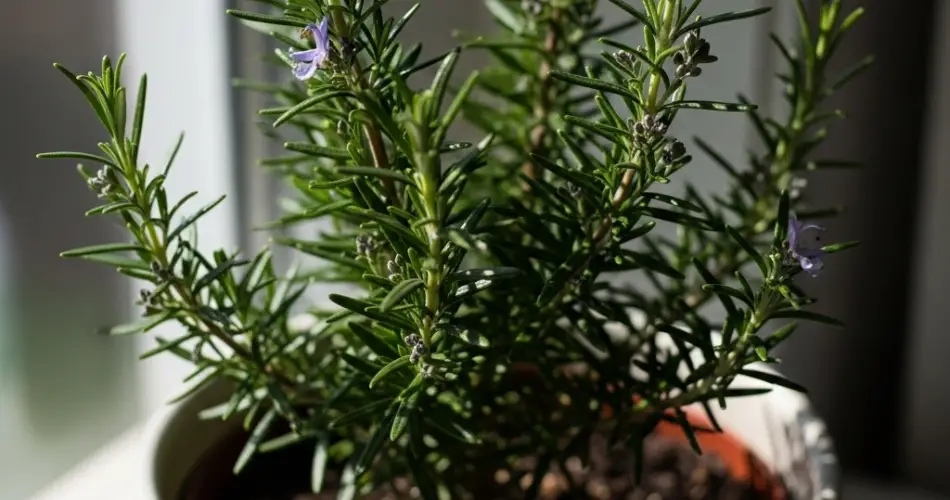
Growing rosemary indoors can be a rewarding experience, providing you with a year-round supply of this fragrant and flavorful herb. However, rosemary requires specific conditions to thrive indoors, especially when it comes to light and temperature. Without the proper environment, this Mediterranean native can quickly become leggy, dry, or even die. This article will guide you through the ideal temperature and lighting needs for indoor rosemary, as well as tips to keep it healthy and productive all year long.
Why Light and Temperature Matter for Rosemary
Rosemary (Rosmarinus officinalis) is a sun-loving herb that naturally grows in warm, dry climates with full sun exposure. Indoors, it needs similar conditions to remain healthy. If the light is too low or the air too cold or too warm, the plant can become stressed. Symptoms of poor conditions include yellowing leaves, sparse growth, or fungal issues.
By providing the right temperature and lighting indoors, you can mimic rosemary’s natural habitat and encourage robust growth, fragrant foliage, and strong resistance to pests and diseases.
Ideal Indoor Light for Rosemary
1. Bright, Direct Sunlight Is Essential
Rosemary requires at least 6 to 8 hours of direct sunlight each day. A south-facing window is ideal because it gets the most consistent sunlight. If that’s not possible, an east- or west-facing window can work, though supplemental lighting may be necessary.
2. Use Grow Lights When Needed
If your indoor space doesn’t receive enough natural light—especially during the winter months—consider using a full-spectrum LED grow light. Position the light about 6 to 12 inches above the plant and keep it on for 12 to 14 hours per day to replicate the long sunny days rosemary prefers.
3. Rotate the Plant Weekly
To ensure even growth, rotate your rosemary plant every week so all sides receive adequate light. This helps prevent the plant from leaning or becoming lopsided.
4. Avoid Low-Light Areas
Avoid placing rosemary in dim rooms, far from windows, or in areas that receive only filtered sunlight. Insufficient light will cause the plant to grow tall and spindly, with weak stems and fewer leaves.
Best Indoor Temperature for Rosemary
1. Keep It Cool, Not Cold
Rosemary prefers cooler indoor temperatures compared to tropical herbs like basil. The ideal range is between 60°F to 70°F (15°C to 21°C) during the day and around 55°F to 60°F (13°C to 15°C) at night. This mirrors the natural fluctuation of Mediterranean climates.
2. Avoid Heat Sources
Don’t place rosemary too close to heating vents, radiators, or fireplaces. Warm, dry air can dry out the foliage and soil too quickly, leading to dehydration and stress. If your plant sits on a windowsill, be mindful of hot afternoon sun combined with nearby heat sources, which can overheat the plant.
3. Protect From Sudden Temperature Changes
Keep your rosemary away from drafty windows, exterior doors, or areas with fluctuating temperatures. Sudden cold drafts or heat spikes can damage the plant and lead to leaf drop or dieback.
4. Good Air Circulation Is Key
Rosemary prefers well-ventilated spaces. Stagnant air can promote fungal diseases like powdery mildew. Placing a small fan nearby (but not directly on the plant) can improve airflow and mimic outdoor breezes.
Additional Tips for Growing Rosemary Indoors
1. Use Well-Draining Soil
Rosemary does not tolerate soggy roots. Choose a fast-draining potting mix or a cactus blend. Adding perlite or sand to the soil can further improve drainage.
2. Don’t Overwater
Allow the top inch of soil to dry out before watering again. Rosemary is drought-tolerant and prefers to be on the dry side. Overwatering is one of the most common mistakes that lead to root rot.
3. Fertilize Sparingly
Rosemary isn’t a heavy feeder. During the growing season (spring and summer), feed it once a month with a diluted organic fertilizer. Avoid fertilizing in winter when the plant’s growth slows down.
4. Prune to Encourage Growth
Light pruning encourages bushier growth and prevents the plant from becoming woody or sparse. Snip off the tips regularly, but avoid heavy pruning during winter when the plant is less active.
5. Watch for Pests
Check the plant regularly for common indoor pests like spider mites, aphids, and whiteflies. If pests are present, treat with insecticidal soap or neem oil.
Conclusion
Rosemary can thrive indoors with the right balance of light and temperature. Place it in the sunniest spot possible or supplement with grow lights, and aim for a cool, stable indoor climate that mimics its native environment. With a bit of attention to these essential conditions, your indoor rosemary plant will stay healthy, aromatic, and ready to enhance your meals year-round.


