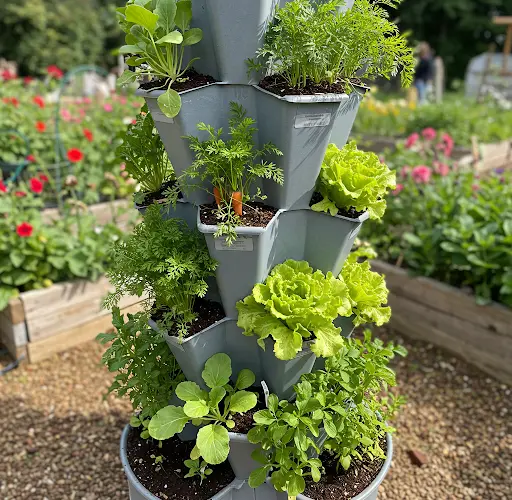
The Idea of Using a Tower to Grow Vegetables: A Space-Saving Gardening Solution
Urban gardening has taken off in recent years, especially as people look for creative ways to grow their own food in limited spaces. One of the most innovative and effective approaches to this challenge is the vegetable tower—a vertical gardening method that allows you to cultivate a variety of vegetables in a small footprint. Whether you’re living in a city apartment, have a compact balcony, or just want to make the most out of your backyard, a vegetable tower could be the solution you’re looking for.
What is a Vegetable Tower?
A vegetable tower is a vertical structure made from stacked layers or containers, where each tier has space for growing plants. These towers can be made from various materials—plastic pots, recycled buckets, old tires, wooden crates, or even large PVC pipes. The key feature of a vegetable tower is its ability to grow multiple plants in upward layers, allowing for greater productivity in a smaller area.
Why Use a Vegetable Tower?
Using a tower to grow vegetables offers several distinct benefits:
-
Space efficiency: Perfect for small balconies, patios, or areas with limited ground space.
-
Easy maintenance: Less bending and weeding required.
-
Improved drainage and aeration: Especially when built with proper design.
-
Pest control: Elevated plants are less likely to be attacked by crawling pests.
-
Water-saving: Vertical designs can allow water to trickle down through each level, hydrating all plants efficiently.
Best Vegetables for Tower Gardening
While many types of vegetables can be grown in towers, those with shallow roots or compact growth habits work best. Here are some great options:
-
Leafy greens: Lettuce, spinach, kale, Swiss chard
-
Herbs: Basil, parsley, mint, cilantro
-
Fruit-bearing plants: Cherry tomatoes, strawberries, small pepper varieties
-
Root vegetables: Radishes, carrots (in deep enough sections)
-
Other options: Green onions, pak choi, arugula
How to Build a Simple Vegetable Tower
Here’s a basic guide to building your own vegetable tower using easily available materials:
Materials Needed:
-
Several large plastic pots, buckets, or containers (same or gradually decreasing size)
-
A drill or tool to make holes for drainage
-
Soil (rich potting mix combined with compost)
-
Vegetable seeds or seedlings
-
Optional: PVC pipe with holes (for internal watering system)
Step-by-Step Instructions:
1. Prepare Containers
Drill drainage holes in the bottom of each pot. If using buckets or crates, make sure they’re clean and safe for food growing. You can stack containers directly or insert smaller pots into larger ones to create levels.
2. Create the Base
Place the largest pot at the bottom. This will act as the base and provide stability to the entire structure. Fill it with soil and compost.
3. Stack and Fill
Place the next container on top, offsetting slightly so the plants have space and light exposure. Repeat until you reach your desired height. Fill each level with soil.
4. Add Plants
Plant your seedlings or sow seeds in each tier. Ensure there’s enough room for each plant to grow without overcrowding.
5. Watering System (Optional)
Insert a PVC pipe with holes vertically through the center of the tower before planting. Pour water into the top of the pipe—it will slowly seep out, watering all levels evenly.
Caring for Your Vegetable Tower
Watering
Vertical towers dry out faster than traditional garden beds, so consistent watering is essential. During hot days, you may need to water twice a day.
Fertilizing
Use liquid organic fertilizers like compost tea or seaweed extract every 2–3 weeks to keep plants well-nourished.
Sunlight
Place your tower in a location that receives at least 4–6 hours of direct sunlight per day.
Pruning and Harvesting
Regularly trim overgrown leaves and harvest mature vegetables to keep the plants healthy and encourage new growth.
Creative Design Ideas
-
Rotating base: Place the tower on a rotating platform to ensure even sunlight exposure.
-
Hanging tower: Suspend small towers from railings or ceilings for dramatic effect.
-
Color-coded planting: Grow different vegetables in each layer for a vibrant, edible display.
-
Themed towers: Create a “salad tower” with various greens or a “herb tower” for your kitchen.
Conclusion
Vegetable towers are a practical and elegant way to grow your own food, especially when space is limited. They’re easy to build, fun to customize, and can produce a surprising amount of food in a compact area. Whether you’re a beginner or an experienced gardener, using a tower system can elevate your gardening game—literally and figuratively.
With a few containers, good soil, and a bit of sunlight, you can turn a corner of your home into a productive, green oasis. Start small, experiment with different plants, and watch as your vertical garden flourishes.


