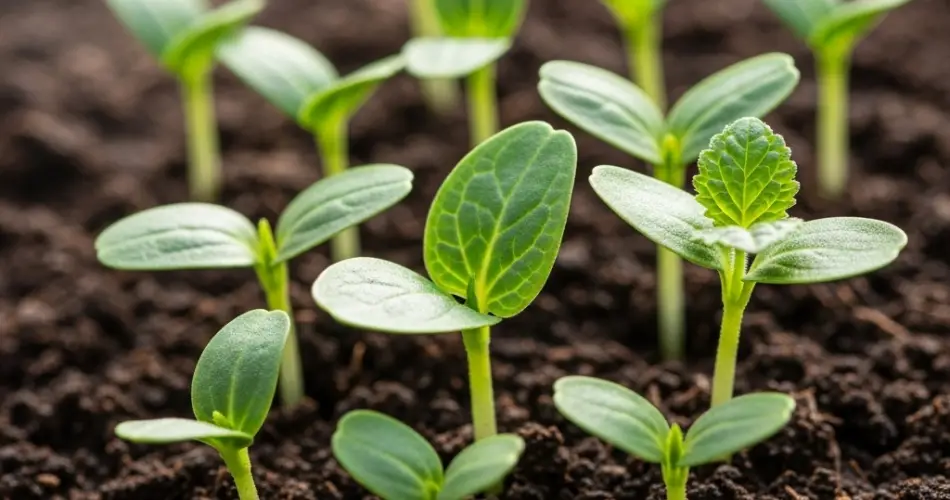
Growing healthy seedlings is the foundation of a successful vegetable or flower garden. Whether you are raising tomatoes, peppers, cucumbers, or other crops, the early stages of seedling development are critical. One of the biggest challenges gardeners face is seedlings that become weak and stretched—often tall, thin, and fragile. This happens when seedlings don’t develop strong roots quickly enough or lack balanced nutrition in their early days.
Fortunately, there is a simple yet powerful fertilizer solution that supports root growth and prevents seedlings from becoming leggy. This first feeding is not just any feeding; it’s the best first fertilization you can provide to set your seedlings on the path to vigorous, sturdy growth and high yields.
Why Root Growth Matters More Than You Think
Roots are the hidden lifeline of every plant. They anchor the seedling in the soil and absorb water and essential nutrients needed for growth. Strong roots mean the plant can take up more nourishment and moisture, which translates to healthier stems and leaves above ground.
When seedlings fail to develop a strong root system early on, they try to compensate by stretching upwards, reaching desperately for light. This elongation results in tall, spindly seedlings prone to breaking, poor nutrient uptake, and often a weak, stunted plant later in the garden.
By prioritizing root development with the right fertilizer, seedlings become robust and compact, ready to survive transplanting shocks and thrive once planted outdoors or in larger pots.
What Causes Seedlings to Stretch?
Several factors contribute to the common problem of “leggy” seedlings:
-
Insufficient Light: Seedlings stretch when they do not get enough light, trying to reach towards the light source.
-
Nutrient Deficiency: Lack of essential nutrients, especially phosphorus and potassium, weakens root growth.
-
Overwatering or Poor Drainage: Excess moisture without oxygen in the soil can stunt root growth.
-
Improper Temperature: Too warm or fluctuating temperatures may cause seedlings to stretch.
While adjusting light and watering is important, feeding seedlings with the right fertilizer at the right time can prevent stretching and build a stronger root system from the start.
The Best First Fertilizer: What It Is and Why It Works
The best first feeding fertilizer is designed to promote rapid root development and keep seedlings compact. Here’s what makes it effective:
-
Balanced Nutrients: It contains an ideal ratio of nitrogen (for leaf growth), phosphorus (for root growth), and potassium (for overall plant health). Phosphorus is particularly important for encouraging root formation.
-
Micronutrients: Elements like magnesium, calcium, and iron that support cell division and strengthen plant tissues.
-
Growth Stimulants: Natural additives or organic extracts that encourage faster root and stem growth without causing excessive stretching.
-
Easy Absorption: The fertilizer is usually water-soluble or formulated to be quickly available to young roots.
Applying this fertilizer early—often as a mild solution when seedlings first develop true leaves—gives them the nutrients they need right when it matters most.
How to Apply the First Feeding
Timing and method are key for success:
-
Wait for the Right Stage: Apply the first fertilizer once seedlings have developed their first set of true leaves, not just the seed leaves (cotyledons).
-
Dilute Correctly: Use a diluted solution to avoid burning the delicate roots. Typically, a quarter to half-strength solution of fertilizer is enough.
-
Feed at the Base: Water the solution gently around the base of each seedling to encourage root uptake.
-
Repeat if Needed: Depending on seedling growth and soil quality, a second feeding can be done 7–10 days later.
Benefits of Early Root Fertilization
-
Prevents Stretching: By strengthening roots early, seedlings stay compact and sturdy.
-
Improves Transplant Success: Healthy roots reduce shock when seedlings are moved outdoors or into bigger containers.
-
Boosts Overall Growth: Strong seedlings grow faster, flower sooner, and produce better yields.
-
Reduces Disease Risk: Vigorous plants are less susceptible to damping-off and other seedling diseases.
Additional Tips for Healthy Seedlings
While fertilizer is crucial, remember these additional points for best results:
-
Provide Adequate Light: Use grow lights or place seedlings in a bright window with at least 12-16 hours of light daily.
-
Maintain Proper Temperature: Keep seedlings in a stable environment around 65-75°F (18-24°C).
-
Avoid Overwatering: Allow soil surface to dry slightly between watering.
-
Use Well-Draining Soil: Seed-starting mix or a light potting mix helps prevent waterlogging.
-
Thin Seedlings: Remove weaker seedlings early to reduce competition for nutrients and light.
Real Gardeners’ Results
Many gardeners who started using this focused root-growth fertilizer as their first feeding have been amazed at the difference. Seedlings that previously struggled became robust and healthy in just days. Transplanting went smoothly, and plants produced more abundant fruit later in the season.
Conclusion
For anyone growing seedlings, whether for vegetables or flowers, investing in the right first fertilizer to encourage root growth and prevent stretching is essential. This simple early feeding can make the difference between weak, leggy seedlings and strong, productive plants ready to flourish in your garden.
If you want your seedlings to grow thick, healthy, and resilient, make this your go-to first fertilizing step. Your garden’s success starts below the soil with healthy roots!


