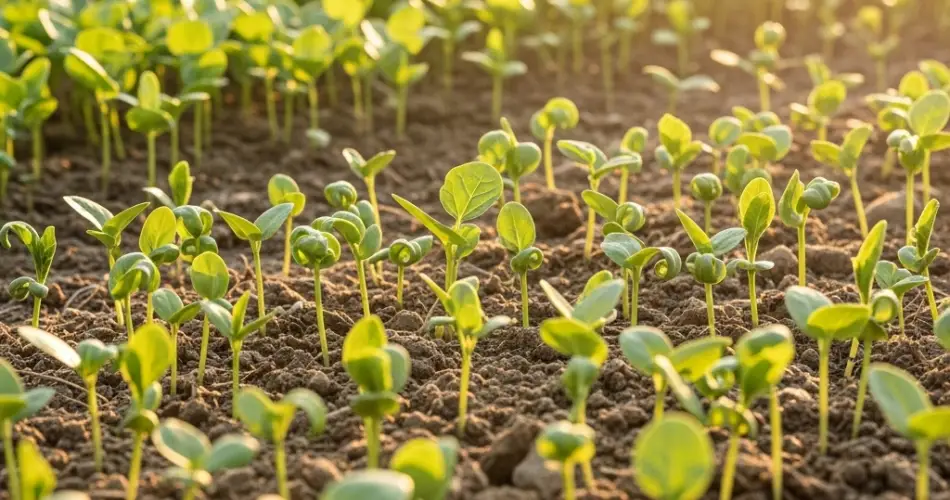
If you want your seedlings to grow thick, sturdy, and well-rooted instead of weak and leggy, a few simple techniques can dramatically change the outcome. Many gardeners struggle with seedlings that stretch too tall and look fragile, but the secret to robust growth lies in giving the plants exactly what they need at the right time.
Let’s break down how to get bushy, resilient seedlings with vigorous roots, whether you’re growing tomatoes, peppers, eggplants, or other common garden starts.
Why Seedlings Become Leggy
The number one cause of spindly seedlings is lack of light. When young plants don’t receive enough light, they stretch upward in search of it. This results in thin, weak stems that can’t support healthy growth later. But light isn’t the only factor. Temperature, watering, and nutrients all play a role in seedling development.
Step 1: Lighting and Temperature Control
Start by placing your seedlings in the brightest spot you have—ideally under a grow light. Natural light can work, but it must be intense and consistent. Aim for 12-14 hours of light per day.
In the early stages, keep temperatures cooler than you might expect. Nighttime temperatures around 16–18°C (60–64°F) and daytime temperatures around 20–22°C (68–72°F) help slow down vertical growth and encourage sturdier stems and roots.
If temperatures are too high, seedlings tend to stretch out. The cooler environment encourages compact, strong development.
Step 2: Strengthening Seedlings Naturally
Once your seedlings have developed a pair of true leaves, you can start helping them develop strength and resilience. Gently brush your hands over the tops of the plants once or twice a day, or use a small fan to simulate wind. This mimics natural outdoor conditions and encourages the plants to thicken their stems in response.
Step 3: Watering Wisely
One common mistake is overwatering. Too much water leads to soggy soil, poor root development, and fungal problems. Let the top layer of the soil dry out slightly before watering again.
Water from below if possible—place the seedling trays in a shallow basin of water and let them absorb moisture through the drainage holes. This promotes deep root growth and prevents surface-level root systems.
Step 4: Feeding for Strong Roots and Thick Stems
After the seedlings have settled and grown their first few sets of true leaves, it’s time to introduce nutrition. But avoid nitrogen-heavy fertilizers at this stage, which promote too much leaf growth and not enough root strength.
Instead, use a gentle phosphorus-rich fertilizer to support root development. You can make a simple natural root booster at home:
Homemade Root Booster Recipe:
-
1 liter of warm water
-
1 teaspoon of dry baker’s yeast
-
1 tablespoon of sugar
Mix the ingredients and let it sit for 2–3 hours. Then water your seedlings at the root zone (do not spray on leaves). Yeast contains beneficial nutrients and stimulates the growth of beneficial soil microbes, while the sugar feeds them.
Use this mixture once every two weeks. You’ll notice how the root system thickens and new roots develop more actively.
Step 5: Hardening Off and Root Pruning
As your seedlings grow, it’s important to prepare them for outdoor conditions. Begin hardening off about 10–14 days before transplanting by gradually introducing them to the outdoors. Start with an hour or two per day in a sheltered, shady spot, then increase exposure to sun and wind gradually.
During transplanting, take a close look at the roots. If you see them coiling at the bottom of the pot, gently loosen or trim them. This encourages the plant to send out new, stronger roots after being planted in the ground.
Summary: Key Takeaways for Bushy, Strong Seedlings
-
Light: Provide intense, consistent light for at least 12 hours daily.
-
Temperature: Keep conditions cool to prevent stretching.
-
Movement: Mimic wind with gentle touches or a fan.
-
Watering: Water moderately and from below to encourage deep roots.
-
Feeding: Use a homemade yeast-based fertilizer to boost root development.
-
Hardening Off: Slowly adapt seedlings to outdoor conditions for success after transplanting.
By following these steps, your seedlings will develop thick stems, rich root systems, and healthy growth patterns that prepare them for a successful season in the garden. With just a bit of attention and natural reinforcement, even beginner gardeners can grow robust, compact seedlings that thrive from the start.


