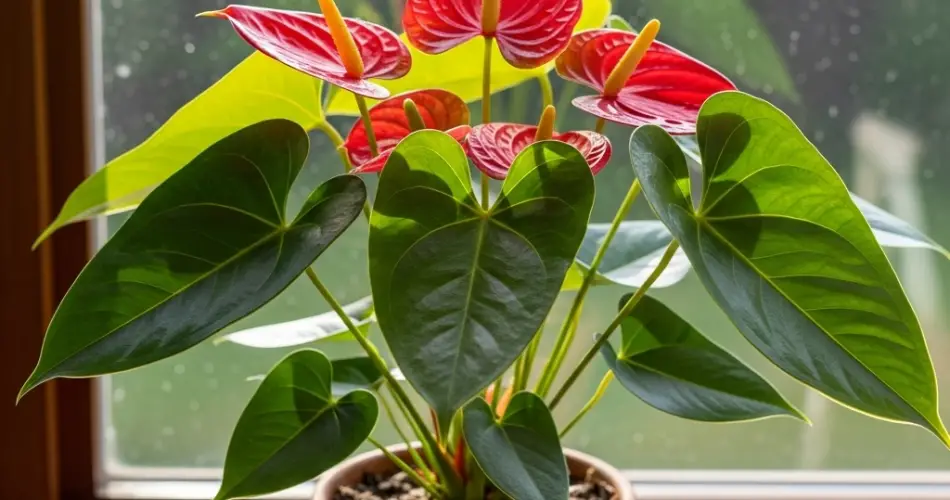
Anthuriums are stunning tropical houseplants prized for their glossy, heart-shaped leaves and vibrant, long-lasting flowers. With their exotic appearance, they make a beautiful addition to any indoor garden. However, these plants are particularly sensitive to watering practices. Overwatering or incorrect techniques can easily damage their roots, leading to yellowing leaves, drooping foliage, and even plant death.
Understanding the best way to water anthuriums is key to keeping them healthy and encouraging continuous growth and flowering. Here’s a detailed guide to help you care for your plant without harming its delicate root system.
Why Watering Matters for Anthuriums
Unlike many common houseplants, anthuriums are epiphytes in their natural habitat. This means they grow on other plants rather than in soil, relying on loose, well-draining material to support their roots. When grown in pots, their roots require careful watering because:
-
They are prone to root rot – Sitting in waterlogged soil can suffocate roots and promote fungal infections.
-
They need consistent moisture – While sensitive to overwatering, anthuriums do not tolerate prolonged drought either.
-
Soil structure matters – Compact, dense soil holds too much water and prevents oxygen from reaching the roots.
Maintaining a balance between moisture and drainage is essential for healthy growth.
Signs Your Anthurium Needs Water
Before watering, check your plant for signs of dryness or stress:
-
Dry soil – Stick your finger about an inch into the soil. If it feels dry, it’s time to water.
-
Drooping leaves – Wilting or limp foliage often indicates a need for moisture.
-
Leaf curl or browning edges – These can appear when the plant is either underwatered or experiencing low humidity.
By observing your plant, you can adjust watering before damage occurs.
The Correct Way to Water Anthuriums
1. Use Room-Temperature Water
Cold water can shock tropical roots. Use room-temperature water to prevent stress and encourage proper absorption.
2. Water Evenly and Slowly
Pour water gently over the soil, ensuring it reaches all areas of the root zone. Avoid letting water splash onto the leaves excessively, as this can increase the risk of fungal growth.
3. Drain Excess Water
Anthuriums require pots with drainage holes. Water until you see liquid draining from the bottom, then allow it to completely drain. Never let the plant sit in standing water, as this will suffocate the roots and promote rot.
4. Check Soil Moisture Before Watering Again
Rather than following a strict schedule, rely on the soil’s dryness to guide your watering. Typically, watering every 7–10 days is sufficient, but frequency varies depending on pot size, light, and indoor temperature.
Watering Techniques for Different Potting Media
Anthuriums are often grown in loose, well-draining mixes such as:
-
Orchid bark and peat moss – Allows air to circulate around the roots while retaining some moisture.
-
Perlite or coco coir – Improves drainage and prevents soil compaction.
When using these mixes, water until the medium is evenly moist but not soggy. If the soil dries too quickly, consider misting the air around the plant (not the leaves) to improve humidity, but do not rely on misting for hydration.
Seasonal Adjustments
Anthuriums’ watering needs change with the seasons:
-
Spring and Summer (active growth) – Water more frequently, ensuring the soil remains consistently moist without overwatering.
-
Fall and Winter (slower growth) – Reduce watering, allowing the top inch of soil to dry out between sessions, as the plant’s growth slows and it requires less moisture.
Adjusting your watering routine seasonally helps prevent both dehydration and root rot.
Common Watering Mistakes to Avoid
-
Overwatering – The most common error, leading to root rot and yellowing leaves.
-
Using dense or heavy soil – Compact soil retains too much moisture and limits oxygen to roots.
-
Watering without drainage – Always use pots with drainage holes to avoid stagnant water.
-
Ignoring environmental factors – High temperatures and low humidity can accelerate drying, requiring adjustments in watering frequency.
-
Misting as a replacement for watering – Misting increases humidity but does not hydrate the roots sufficiently.
Additional Tips for Healthy Anthuriums
-
Use filtered or rainwater – Chlorine or fluoride in tap water can cause leaf tip browning.
-
Monitor light levels – Bright, indirect light helps soil dry evenly and supports growth.
-
Fertilize carefully – Use a balanced fertilizer every 6–8 weeks during the growing season to support healthy foliage and flowers.
Final Thoughts
Watering anthuriums correctly is essential for healthy roots, vibrant foliage, and long-lasting blooms. By using room-temperature water, watering deeply but allowing drainage, and adjusting frequency based on soil moisture and seasonal changes, you can prevent root damage and support the plant’s tropical growth habit.
With careful attention to watering and soil conditions, your anthurium will thrive indoors, rewarding you with lush, glossy leaves and striking, colorful flowers for years to come.


