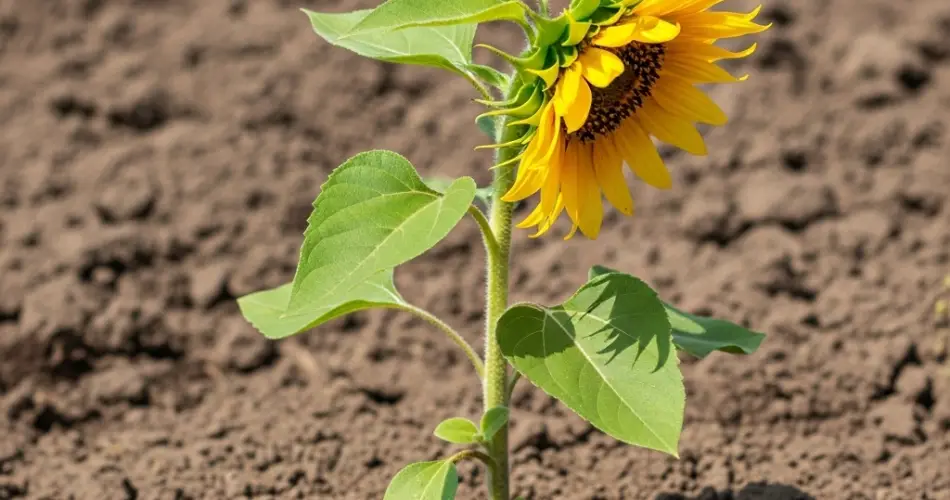
Sunflowers are iconic garden plants, known for their tall stems, cheerful blooms, and ability to brighten any outdoor space. Whether you’re growing giant varieties or compact ones for containers, one thing remains crucial for success: the soil. A healthy, well-balanced soil mix gives sunflowers the foundation they need to grow tall, produce strong stems, and develop bold, vibrant flowers. This article explains what kind of soil sunflowers need and how to create the perfect mix for a thriving garden display.
Why Soil Matters for Sunflowers
Sunflowers are hardy plants, but they’re also heavy feeders. They need access to a wide range of nutrients to fuel their rapid growth and flowering. If the soil is too compact, too sandy, or lacking in nutrition, your sunflowers may develop weak stems, stunted growth, or smaller blooms.
Good soil supports:
-
Proper root development
-
Efficient nutrient and water absorption
-
Stability for tall varieties
-
Long-lasting, vibrant blooms
Choosing or creating the right soil mix helps ensure that your sunflowers grow strong and healthy from the start.
Key Soil Characteristics for Sunflowers
For vibrant and productive sunflowers, aim for soil with the following qualities:
-
Well-Draining
Sunflowers don’t like wet feet. If the soil retains too much water, it can lead to root rot and fungal diseases. A soil that drains well prevents this, allowing roots to breathe. -
Loamy Texture
Loamy soil—a balanced mix of sand, silt, and clay—is ideal. It holds enough moisture to support plant needs without becoming waterlogged. -
Rich in Organic Matter
Organic matter like compost or well-rotted manure feeds the plant and improves soil structure. This boosts fertility and microbial activity, both essential for healthy sunflowers. -
Neutral to Slightly Acidic pH
Sunflowers thrive in soil with a pH between 6.0 and 7.5. Most garden soil falls within this range, but testing your soil can help you make adjustments if needed.
How to Make the Ideal Soil Mix
Creating the best soil mix for sunflowers is straightforward, whether you’re planting directly in the ground or in containers. Here’s a reliable recipe you can use or adapt based on your existing soil conditions:
For In-Ground Planting:
-
50% garden soil – As the base, this provides structure and natural microbes.
-
30% compost or aged manure – Adds nutrients and organic matter.
-
20% sand or perlite – Improves drainage and aeration.
For Containers or Raised Beds:
-
40% high-quality potting mix – Provides a balanced, lightweight base.
-
30% compost – Boosts fertility and microbial health.
-
20% coconut coir or peat moss – Helps retain moisture without becoming soggy.
-
10% perlite or coarse sand – Enhances drainage.
Mix these components thoroughly before planting to ensure even distribution of nutrients and texture.
Preparing the Soil Before Planting
Even with the right mix, soil preparation is essential. Here’s how to get your garden beds or containers ready for sunflower planting:
-
Loosen the Soil
Use a garden fork or tiller to loosen soil to a depth of 12–18 inches. This allows roots to grow deep and strong. -
Add Organic Matter
Work in compost or manure thoroughly to enrich the soil. This step is especially important if your existing soil is clay-heavy or sandy. -
Test and Adjust pH (if necessary)
Use a simple soil pH test kit. If the soil is too acidic, add garden lime. If it’s too alkaline, add sulfur or composted pine needles to lower the pH. -
Level the Surface
Smooth the planting area to ensure even germination and easy watering.
Tips for Healthy Soil and Strong Sunflowers
-
Rotate Crops: Don’t plant sunflowers in the same spot every year to avoid depleting the soil and encouraging pests.
-
Mulch Around Plants: Once seedlings are established, mulch with straw or shredded leaves to retain moisture and regulate soil temperature.
-
Water Wisely: Sunflowers need consistent moisture, especially during early growth, but avoid overwatering. Water deeply once or twice a week depending on your climate.
-
Fertilize Sparingly: If you’ve added compost, additional fertilization may not be needed. However, for very tall varieties, a balanced fertilizer once during early growth can support stronger stems and larger blooms.
Final Thoughts
The secret to growing vibrant, healthy sunflowers begins with the soil. By choosing a well-draining, nutrient-rich mix with plenty of organic matter, you’ll give your plants the best chance to thrive. Whether you’re growing sunflowers in a backyard garden, a raised bed, or a container, thoughtful soil preparation will reward you with a stunning display of blooms that last all season. With the right soil underfoot, your sunflowers will rise tall, strong, and full of radiant color.


