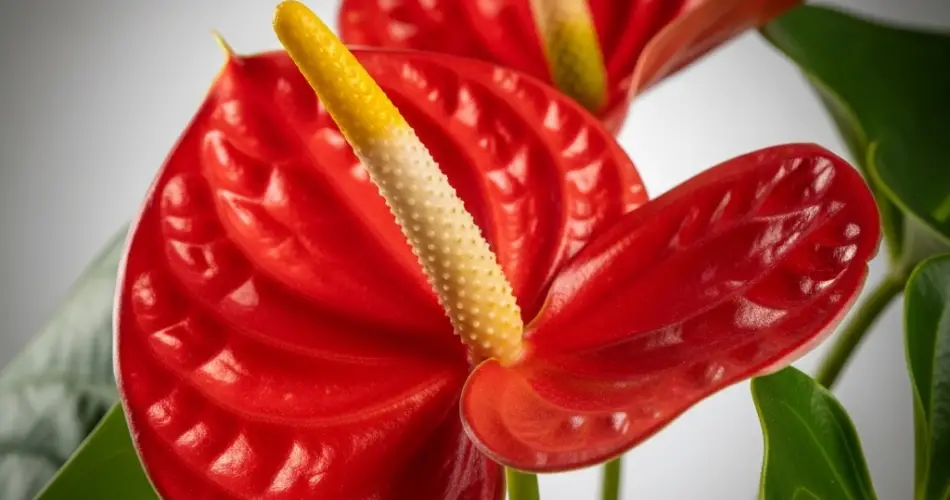
Anthuriums, also known as flamingo flowers or laceleaf, are loved for their glossy foliage and striking, long-lasting blooms. These tropical beauties can flower year-round under ideal conditions, but many indoor gardeners notice that their anthurium stops blooming after the initial flush of flowers fades. Fortunately, with the right care and attention, it’s entirely possible to trigger your anthurium to bloom again. This article walks you through the best practices to revive flowering and keep your plant healthy and vibrant.
Understand Your Anthurium’s Natural Cycle
Before diving into bloom-boosting tips, it’s important to understand that anthuriums have natural blooming cycles. Each flower can last for several weeks, after which the plant may enter a brief resting phase. This doesn’t mean it’s unhealthy—it simply needs time to recharge. However, if your plant hasn’t bloomed in months, it may need some adjustments in care to restart the flowering process.
1. Maximize Light—But Avoid Direct Sun
Light is one of the most crucial factors for triggering blooms in anthuriums. These plants thrive in bright, indirect light. While they can tolerate lower light levels, they often stop blooming in dim conditions.
What to do:
-
Place your plant near a north- or east-facing window where it can receive filtered light.
-
If natural light is limited, use a grow light for 10–12 hours daily.
-
Avoid direct sunlight, especially during midday, as it can scorch the leaves.
Consistent bright light is often the spark needed to get your anthurium to start blooming again.
2. Check Temperature and Humidity
Anthuriums are native to tropical regions and prefer warm, humid conditions. If your home is too dry or cold, it could prevent blooming.
Ideal conditions:
-
Temperature: 70–85°F (21–29°C) during the day and not below 60°F (15°C) at night.
-
Humidity: 60–80%
How to improve:
-
Use a room humidifier or place the pot on a humidity tray.
-
Group your anthurium with other plants to create a microclimate.
-
Mist the leaves occasionally, but avoid soaking the flowers and crown.
Keeping your plant in a warm, humid space mimics its natural environment and supports flowering.
3. Water Properly—Avoid Overwatering
Anthuriums prefer lightly moist soil, but overwatering is a common mistake that can lead to root rot and hinder blooming. On the other hand, underwatering can stress the plant and delay flower production.
Watering tips:
-
Let the top 1–2 inches of soil dry out before watering.
-
Use lukewarm water to avoid shocking the roots.
-
Make sure the pot has good drainage and never let it sit in standing water.
Consistency is key. Keeping the roots healthy ensures the plant has the energy to produce flowers.
4. Feed the Plant with the Right Fertilizer
Anthuriums are not heavy feeders, but they do benefit from regular fertilization—especially when you want to encourage blooming.
Best fertilizer formula:
-
Use a balanced, water-soluble fertilizer diluted to half strength (such as 20-20-20).
-
For bloom encouragement, choose a fertilizer slightly higher in phosphorus (such as 10-30-20).
-
Apply every 6–8 weeks during the growing season (spring to early fall).
Avoid overfertilizing, as too much nitrogen can lead to lush foliage at the expense of flowers.
5. Repot if the Plant Is Rootbound
If your anthurium hasn’t been repotted in two or more years, it may be rootbound, which can affect its ability to take up nutrients and water effectively—resulting in fewer or no blooms.
Signs your plant needs repotting:
-
Roots growing out of the drainage holes
-
Water runs straight through the pot
-
Soil dries out too quickly
How to repot:
-
Choose a pot that’s one size larger.
-
Use a light, airy potting mix—ideally a mix of orchid bark, perlite, and peat moss.
-
Handle the roots gently and prune any that are dead or rotted.
Repotting can give your anthurium a fresh start and stimulate new growth, including flowers.
6. Prune Dead or Spent Flowers
Removing faded flowers not only improves appearance but also redirects the plant’s energy toward new blooms.
-
Use clean, sharp scissors or pruning shears.
-
Cut the spent flower stem back to its base.
-
Remove any yellowing or damaged leaves as well.
Regular pruning encourages healthy growth and supports continued flowering.
Final Thoughts
Anthuriums are elegant houseplants that can bloom continuously under the right conditions. If your plant has stopped flowering, don’t worry—it just needs a little care and adjustment to its environment. Focus on providing bright indirect light, proper watering, the right fertilizer, and high humidity. With a little patience and consistency, your anthurium will soon reward you with its signature colorful blooms once again.


