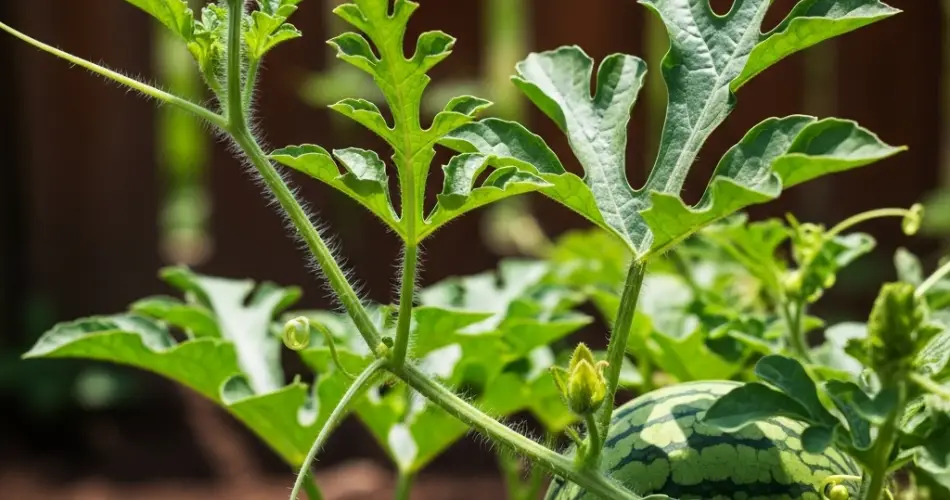
Watermelons are heavy feeders that require rich, fertile soil to produce their juicy, sweet fruits. If you’re looking to grow watermelons naturally without relying on synthetic fertilizers, using organic methods is not only healthier for the environment but also produces better-tasting fruit. Organic fertilizers provide essential nutrients, improve soil structure, and support beneficial microbial life, all of which are crucial for growing vigorous watermelon vines and large, flavorful melons.
Here’s a comprehensive guide to choosing and applying the best organic fertilizer for watermelons from seedling to harvest.
Understanding Watermelon Nutrient Needs
Before choosing a fertilizer, it’s helpful to understand what nutrients watermelons require throughout their growing cycle:
-
Nitrogen (N): Promotes healthy leaf and vine growth early in the plant’s life.
-
Phosphorus (P): Supports strong root development and early flowering.
-
Potassium (K): Vital for fruit development, size, flavor, and overall plant resilience.
Watermelons need more nitrogen early in their life, but once flowering begins, they require more phosphorus and potassium to shift their energy toward fruit production.
Top Organic Fertilizers for Watermelons
1. Compost
Well-aged compost is one of the best all-around soil amendments for watermelons. It enriches the soil with slow-release nutrients, enhances water retention, and introduces beneficial microbes.
How to use:
-
Mix several inches of compost into the soil before planting.
-
Side-dress the plants with compost once or twice during the growing season.
2. Manure (Aged or Composted)
Aged cow, horse, or poultry manure is high in nitrogen and other nutrients essential for early vine growth. Never use fresh manure, as it can burn plants and introduce pathogens.
How to use:
-
Apply well-composted manure a few weeks before planting.
-
Use as a side-dressing early in the season to promote robust vine development.
3. Fish Emulsion
Fish emulsion is a fast-acting liquid fertilizer high in nitrogen, perfect for the early growth stages. It also contains trace minerals that improve overall plant health.
How to use:
-
Dilute according to label instructions and apply every 2–3 weeks during the seedling and vine-growing stage.
-
Stop using fish emulsion once flowering begins to avoid excess leafy growth at the expense of fruiting.
4. Bone Meal
Bone meal is a slow-release source of phosphorus, ideal for encouraging root growth and flower formation.
How to use:
-
Mix into the planting hole at the time of transplanting or sowing seeds.
-
Reapply every 4–6 weeks as needed during flowering.
5. Kelp Meal or Seaweed Extract
These sea-based fertilizers are rich in potassium and trace elements. They support fruit set, improve resistance to stress, and enhance flavor and sugar content in the melons.
How to use:
-
Use kelp meal as a soil amendment or top-dressing.
-
Apply seaweed extract as a foliar spray during flowering and fruit development every 2–3 weeks.
6. Wood Ash (in moderation)
Wood ash contains potassium and lime, which can help fruiting. However, it should be used cautiously because it can raise soil pH too much.
How to use:
-
Sprinkle lightly around plants once fruiting begins.
-
Do not use if your soil is already alkaline.
Feeding Schedule for Watermelons
To get the best results, match your feeding to the plant’s growth stage:
-
Pre-Planting:
-
Incorporate compost and composted manure into the soil.
-
Add bone meal to the planting holes.
-
-
Early Growth (Weeks 1–4):
-
Use nitrogen-rich fertilizers like fish emulsion or alfalfa meal every 2–3 weeks.
-
Focus on promoting vine and leaf development.
-
-
Flowering and Fruit Set (Weeks 4–8):
-
Shift to potassium and phosphorus-rich feeds like kelp meal, compost tea, or diluted seaweed extract.
-
Stop high-nitrogen feeding to avoid overly lush vines with poor fruiting.
-
-
Fruit Development (Weeks 8–12):
-
Apply compost or a balanced organic fertilizer to support melon sizing and sweetness.
-
Maintain even moisture and continue feeding with potassium-rich inputs.
-
Additional Tips for Fertilizing Watermelons Organically
-
Soil Testing: Before planting, test your soil to understand nutrient levels and pH. Watermelons prefer a pH between 6.0 and 6.8.
-
Mulch Wisely: Use organic mulch like straw or dried leaves to retain moisture and slowly release nutrients as they break down.
-
Rotate Crops: Avoid planting watermelons in the same spot year after year. Crop rotation reduces soil nutrient depletion and disease risk.
-
Water Deeply: Fertilizer uptake is more effective when plants are well-watered. Deep watering encourages strong roots and better fruit quality.
Final Thoughts
Growing watermelons organically is highly rewarding and entirely achievable with the right nutrients and care. By using compost, natural fertilizers, and understanding the plant’s needs at each stage, you can enjoy a healthy crop of delicious, homegrown melons. A thoughtful organic approach not only feeds your plants but also nurtures your soil—creating a thriving garden ecosystem that supports future harvests.


