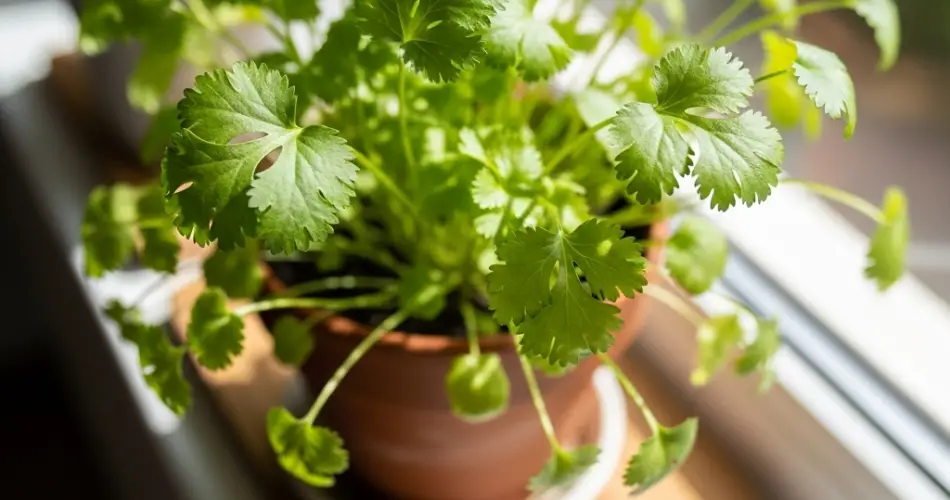
Cilantro is a favorite herb among home cooks and gardeners alike. Known for its fresh, citrusy flavor, cilantro adds a vibrant touch to salsas, curries, and salads. Growing it indoors is a great way to ensure a steady supply year-round, especially if you live in a warm climate where cilantro tends to bolt quickly outdoors.
One of the most important factors in successfully growing cilantro indoors is choosing the right container. The ideal pot will support healthy root development, allow for adequate drainage, and offer enough space for continuous harvesting. Here’s a complete guide to selecting the best container for growing lush, flavorful cilantro indoors.
Why Container Choice Matters
Unlike many herbs, cilantro has a relatively delicate root system and a short growing season. It doesn’t transplant well once established, and it prefers cooler temperatures. Choosing the right container will help you manage soil temperature, moisture levels, and spacing—all of which are crucial for indoor success.
A good container will allow your cilantro to grow quickly, resist premature bolting, and stay healthy throughout its growing cycle.
Ideal Container Depth and Size
Depth is key when it comes to cilantro. While the plant’s foliage is light and airy, its roots grow deeper than you might expect. A pot that is at least 8 to 10 inches deep allows roots to stretch comfortably and helps keep the soil temperature stable.
In terms of width, aim for a container that is at least 12 inches wide if you want to grow multiple plants in a single pot. Cilantro grows best when seeds are sown directly and spaced about 2 inches apart. A wider container gives you the flexibility to grow a generous cluster of plants in one area.
Best Container Materials
When selecting a container, consider the material’s impact on temperature, moisture retention, and weight. Here are some of the most common types:
-
Terracotta or clay pots: These are porous and allow for air circulation, helping prevent root rot. However, they dry out quickly and may need more frequent watering.
-
Plastic pots: Lightweight and inexpensive, plastic retains moisture well and is ideal for busy indoor gardeners. Just ensure the pot has proper drainage holes.
-
Ceramic pots (with drainage): These are decorative and effective for indoor use, but make sure they include drainage holes or a removable inner pot to avoid soggy soil.
-
Fabric grow bags: Breathable and great for root health, these also prevent overwatering and are easy to store when not in use.
Regardless of the material, always ensure your chosen pot has good drainage. Standing water at the base of a pot is one of the quickest ways to damage cilantro roots.
Containers to Avoid
Avoid shallow containers, as they restrict root development and lead to stressed plants. Additionally, containers without drainage holes should be avoided unless you’re using them as decorative covers with an inner pot that drains properly.
Also steer clear of metal containers that may conduct too much heat or become overly cold indoors, depending on the season and placement.
Self-Watering Containers: Are They Good for Cilantro?
Self-watering pots can be helpful for many indoor herbs, but cilantro may not be the best fit for them. While cilantro does appreciate consistent moisture, it’s also sensitive to overly wet soil. Unless the self-watering pot has a way to control saturation and allow the topsoil to dry out slightly between watering, it may lead to soggy conditions and root issues.
If you opt for a self-watering container, choose one with a moisture wick system and monitor the soil closely.
Container Placement for Indoor Cilantro
Even the best container won’t help much if your cilantro isn’t placed in the right spot. Cilantro needs about 4 to 6 hours of direct sunlight daily, so position your pot near a south- or west-facing window. If natural light is limited, consider using a grow light to supplement.
Also, avoid placing the container in spots that are too warm, such as near stoves or heating vents, as this can speed up bolting.
Tips for Growing Cilantro Successfully Indoors
-
Use deep, well-draining potting mix: Choose a soil blend that retains moisture but drains well. A mix with some compost is ideal.
-
Sow seeds directly in the container: Cilantro doesn’t like to be transplanted. Plant seeds about ¼ inch deep and water gently.
-
Thin seedlings: Once they sprout, thin them to about 2 inches apart to give each plant space to grow.
-
Keep soil moist but not soggy: Water when the top inch of soil feels dry. Don’t allow the soil to dry out completely.
-
Harvest regularly: Cut outer leaves first, allowing the center to keep producing. Frequent harvesting delays flowering.
Conclusion
The right container can make all the difference when growing cilantro indoors. Opt for a pot that is at least 8 inches deep, provides ample width, and has good drainage. Choose a location with plenty of sunlight, keep the soil consistently moist, and avoid overly warm areas to prevent bolting. With the right setup, your indoor cilantro will thrive and provide you with flavorful leaves for weeks to come.


