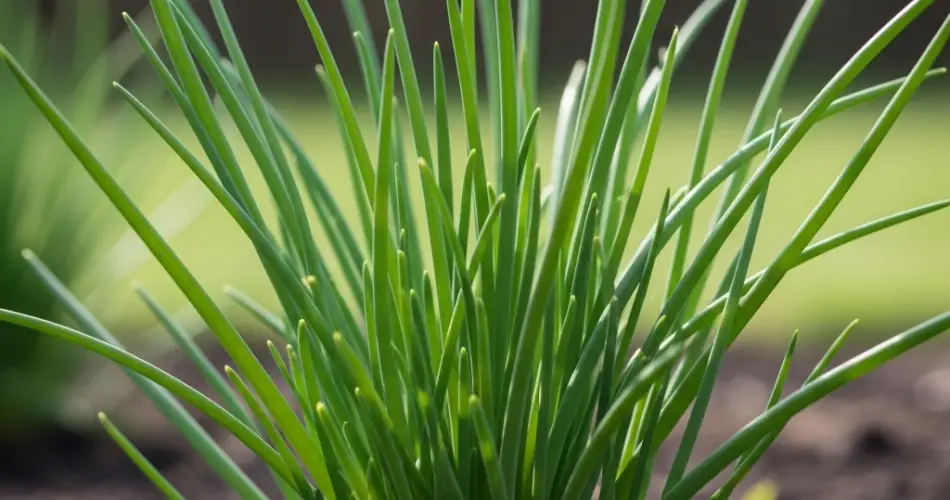
Chives are among the easiest herbs to grow, and with the right harvesting technique, they’ll reward you with a steady supply of fresh greens throughout the growing season. These mild onion-flavored herbs are perfect for garnishing soups, salads, and baked dishes. If you want your chives to stay healthy and productive, harvesting them properly is key. Here’s a complete guide on how to do just that.
Understanding Chives and Their Growth Habit
Chives (Allium schoenoprasum) are hardy perennials that grow in clumps. Their long, slender, tubular leaves shoot up from underground bulbs and regenerate quickly after cutting. This vigorous growth makes them perfect for repeat harvesting. In ideal conditions, chives can be harvested every few weeks from spring to fall.
There are also garlic chives (Allium tuberosum), which have flatter leaves and a slight garlicky flavor. The harvesting principles are essentially the same for both varieties.
When to Start Harvesting Chives
Chives can be harvested once the plant reaches about 6 inches tall and has multiple leaves per clump. This typically happens around 60 days after planting from seed, or earlier if you start with a nursery plant or divided clump.
The best time to harvest chives is in the morning, after the dew has dried but before the heat of the day. This helps preserve the essential oils in the leaves, giving you the best flavor and aroma.
How to Harvest Chives Correctly
To harvest chives without damaging the plant, follow these simple steps:
-
Use Clean, Sharp Scissors or Garden Shears: This prevents tearing or bruising the leaves, which could make the plant susceptible to diseases.
-
Cut at the Base: Always cut chive leaves about 1 to 2 inches above the soil line. Cutting too high leaves a stub that can turn brown, while cutting too low may damage the crown of the plant.
-
Harvest Evenly Around the Clump: Don’t cut all the leaves from one side. Rotate around the plant to encourage uniform regrowth and keep the clump looking tidy.
-
Don’t Overharvest: Never remove more than one-third to one-half of the plant at a time. Give the plant time to recover before the next cutting.
Encouraging Regrowth and Longevity
Chives are resilient, but consistent care and correct harvesting keep them productive for many years. After each harvest, water the plant and, if it’s in a container, add a diluted liquid fertilizer to replenish nutrients. For garden chives, compost or aged manure applied in spring and midseason will do the trick.
Keep the growing area free from weeds and ensure your chives receive full sun for at least 6 hours a day. In hot climates, a bit of afternoon shade can help prevent stress during peak summer.
Deadheading for Better Leaf Production
Chives produce beautiful purple or white flowers that attract pollinators, but flowering can slow leaf growth. If you want to maximize leaf harvest, pinch off the flower buds as they appear. You can also harvest the edible flowers and use them in salads or to make chive blossom vinegar.
Dividing Chives for Stronger Plants
Every 2 to 3 years, divide your chive clump to avoid overcrowding. This not only keeps the plant healthy but also gives you more chive plants to use or share. Simply dig up the clump in spring or fall, gently separate it into smaller sections, and replant them.
Harvesting Chives for Storage
Chives are best enjoyed fresh, but you can preserve them by drying or freezing. To freeze, chop the leaves and store them in an airtight container or freezer bag. You can also portion them into ice cube trays with a bit of water or olive oil. Dried chives lose some of their pungency but still work well in recipes when rehydrated.
Final Tips for Year-Round Chives
In cooler climates, chives go dormant in winter. Cut back the dead leaves in fall, and they’ll return in spring. You can also pot a portion of your garden chives and bring them indoors for a winter supply. Place the pot in a sunny window and water moderately.
By harvesting chives the right way, you’ll not only enjoy a continuous supply of this delicious herb but also keep your plant lush and thriving for seasons to come.


