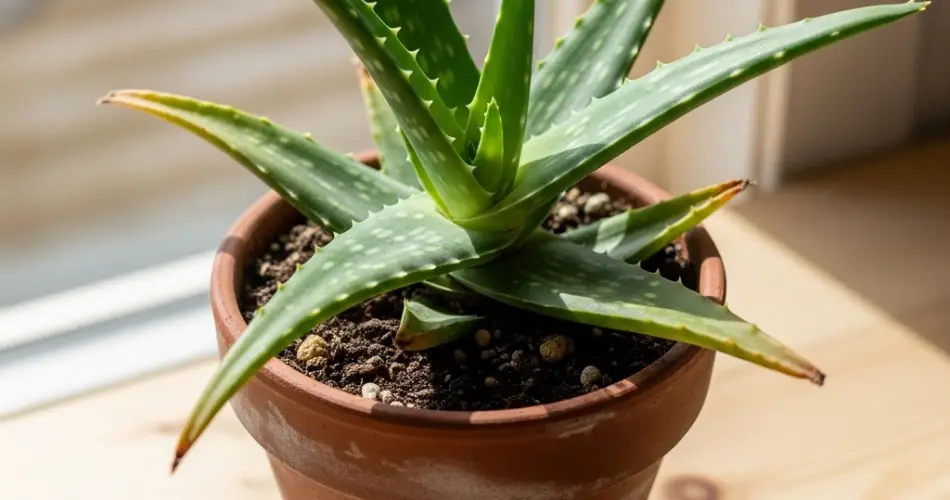
Aloe vera is one of the most popular medicinal plants in the world, valued for its soothing gel that helps with burns, skin irritation, and even hair care. Many households keep a pot of aloe in the kitchen or garden as a natural first-aid remedy. While harvesting the gel is simple, it’s important to do it correctly so the plant remains healthy and continues to produce fresh leaves. Learning the right techniques for using aloe gel without damaging the plant ensures that you can enjoy its benefits while keeping your aloe thriving for years.
Understanding Aloe Vera’s Growth
Aloe vera grows in a rosette pattern, with new leaves emerging from the center and older leaves forming on the outside. The gel is contained inside these thick, fleshy leaves. Since the plant relies on its leaves for both water storage and photosynthesis, improper cutting can weaken it. Knowing which leaves to harvest—and how much to take—helps the plant stay strong.
Choosing the Right Leaves to Harvest
Not all aloe leaves are suitable for gel extraction. Choosing carefully ensures both higher-quality gel and less stress on the plant.
-
Select outer leaves: Always harvest from the outermost leaves first, as these are the oldest and most mature. Inner leaves should remain intact since they are still developing.
-
Look for healthy, thick leaves: Mature leaves are usually plump and heavy with gel. Avoid thin, underdeveloped leaves, as cutting them can slow the plant’s growth.
-
Check for plant size: Only harvest from aloe plants that are well-established, usually at least 10–12 inches tall with several leaves. Younger plants should be left to grow.
Proper Cutting Technique
Using the right cutting technique prevents unnecessary damage and encourages faster healing.
-
Use a clean, sharp knife or scissors: This reduces the risk of tearing the leaf and introducing bacteria.
-
Cut at the base: Remove the leaf as close to the soil line as possible, but avoid damaging nearby leaves.
-
Take only what you need: Harvest one or two leaves at a time, especially from smaller plants. Aloe leaves can regrow, but cutting too many at once weakens the plant.
Preparing Aloe Gel for Use
After harvesting, the aloe leaf needs to be prepared properly to separate the gel from the outer skin and latex layer.
-
Drain the yellow latex: Once cut, place the leaf upright in a container for 10–15 minutes. This allows the bitter yellow sap (aloin) to drain out. Aloin can cause skin irritation, so it’s best removed.
-
Peel carefully: Slice off the spiny edges on both sides, then cut away the top skin layer.
-
Scoop out the gel: Use a spoon or knife to remove the clear gel inside. Rinse if necessary to remove any remaining latex.
At this point, the gel is ready for direct use on the skin, in hair masks, or even in homemade cosmetic recipes.
Storing Aloe Gel
Fresh aloe gel spoils quickly, so proper storage is essential.
-
Short-term storage: Keep fresh gel in an airtight container in the refrigerator. It can last about a week.
-
Long-term storage: For longer preservation, freeze aloe gel in ice cube trays. This not only extends its shelf life for several months but also provides convenient single-use portions.
Caring for the Plant After Harvest
Once a leaf is cut, the plant needs time to heal. Aloe vera naturally seals wounds with a protective layer, but you can help the process along.
-
Leave the cut exposed to air: This allows the plant to form a natural seal.
-
Avoid watering immediately after cutting: Excess moisture can slow healing and increase the risk of rot. Wait a few days before resuming regular watering.
-
Provide adequate light: A healthy aloe needs bright, indirect sunlight to recover and continue producing new leaves.
Common Mistakes to Avoid
Improper harvesting can stress or even kill an aloe plant over time. To keep your plant strong, avoid these common errors:
-
Overharvesting: Cutting too many leaves at once deprives the plant of essential water reserves.
-
Cutting inner leaves: These are still developing and vital for continued growth.
-
Using dull tools: Jagged cuts take longer to heal and make the plant more vulnerable to infection.
-
Neglecting plant care: Remember that aloe needs well-draining soil, occasional watering, and adequate light to thrive after harvesting.
Conclusion
Aloe vera is a versatile and beneficial plant, but harvesting its gel requires a gentle approach. By choosing mature outer leaves, cutting with clean tools, and allowing the plant time to recover, you can enjoy aloe’s healing gel without harming the plant itself. With careful use and proper aftercare, your aloe will continue to grow, providing you with natural remedies for many years.


