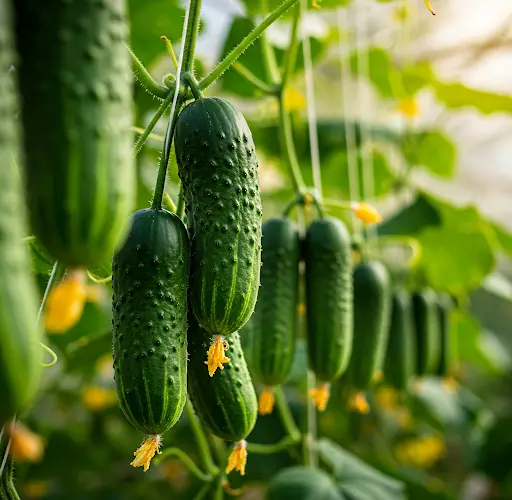
Technique for Growing Cucumbers Hanging on a String to Produce Many Flowers and Fruit
Cucumbers are one of the most popular and rewarding vegetables to grow in home gardens. They are versatile, nutritious, and relatively easy to cultivate, but what if you’re short on space or want to try a new, innovative technique to boost your yield? Growing cucumbers on a string is a clever and efficient method that not only saves space but also increases your plant’s productivity. This vertical gardening technique encourages the plants to produce many flowers and fruits, all while maximizing the available space in your garden or balcony.
In this article, we will walk you through the steps to successfully grow cucumbers hanging on a string, ensuring you get an abundant harvest with minimal effort.
Why Grow Cucumbers on a String?
The traditional method of growing cucumbers involves allowing the vines to spread along the ground. While this works, it can lead to several challenges, such as:
-
Space limitations: Cucumbers require plenty of space, especially for sprawling vines.
-
Pest problems: Cucumbers growing on the ground can attract pests like slugs and beetles.
-
Difficulty harvesting: Cucumbers growing on the ground are harder to reach, and their fruits often come into contact with soil, leading to damage or rot.
By growing cucumbers on a string, these issues are minimized. The vertical growth allows the plant to take up less space, makes the fruit easier to access, and promotes better airflow, reducing the chances of disease.
Materials You’ll Need
To grow cucumbers on a string, you’ll need the following materials:
-
Cucumber seeds or seedlings (choose a variety suitable for vertical growth, such as bush cucumbers or climbing types like ‘Armenian’ or ‘Spacemaster’)
-
Sturdy strings or twine (about 6-8 feet in length)
-
Trellis or a vertical support structure (a fence, stake, or frame)
-
Soil (well-draining, loamy soil with added compost for fertility)
-
Watering can or hose
-
Fertilizer (organic or balanced slow-release fertilizer)
Steps to Grow Cucumbers on a String
1. Choose the Right Location
Cucumbers thrive in full sunlight, so pick a location that gets at least 6–8 hours of direct sunlight per day. If you’re growing cucumbers on a balcony, make sure the spot receives enough light throughout the day.
If you’re planting in the ground, choose a spot with well-draining soil rich in organic matter. If planting in containers, make sure they are large enough to hold the plant’s roots and allow good drainage.
2. Set Up the Support Structure
To grow cucumbers vertically, you need a sturdy support system. This can be a trellis, fence, or stake, positioned firmly in the ground. The structure should be 6-8 feet tall to allow the cucumber vines to grow upward without restriction.
Secure a piece of strong twine or string to the top of your trellis or support frame. Make sure the string is long enough to allow the cucumbers to grow vertically, and tie it securely to avoid it coming loose as the plants grow.
3. Plant the Cucumbers
Plant your cucumber seeds or seedlings at the base of the trellis or support structure. If you’re starting from seeds, sow them about 1 inch deep and space them about 12–18 inches apart. If you’re transplanting seedlings, ensure they are placed at the same depth as they were in their original pots.
Water the area thoroughly after planting to help the seeds establish roots. If you’re planting multiple cucumbers, ensure there is enough space between each plant to allow them to spread and grow without crowding.
4. Train the Vines to Climb
As the cucumber vines begin to grow, gently guide them toward the string or trellis. Cucumbers are naturally climbing plants and will begin to wind themselves around the string as they grow upward. Be patient during this process, as the vines may take a few weeks to fully grasp the string.
To help the plants climb efficiently, use soft garden ties or twine to secure the vine to the string. As the vines grow taller, continue to encourage upward growth, and avoid allowing them to fall back to the ground.
5. Water and Fertilize Regularly
Cucumbers need consistent moisture to thrive. Water the plants regularly, especially during dry spells, but be careful not to overwater. Ensure the soil is moist but not waterlogged.
To promote healthy growth and an abundant harvest, feed the cucumbers with a balanced fertilizer every 4-6 weeks. Organic compost or liquid seaweed fertilizer are great options. Avoid excessive nitrogen, as it can lead to excessive leaf growth at the expense of fruit production.
Supporting and Managing the Cucumbers
As the vines grow and start to produce flowers, they will need continued support to keep the fruits off the ground. As the flowers develop into cucumbers, you may need to help the vines by gently supporting the young fruits with small mesh bags or slings made from old stockings. This helps prevent the cucumbers from breaking or touching the soil.
Regularly prune the vines by removing any yellowing leaves or dead growth. This will allow the plant to focus its energy on producing more flowers and fruit.
Harvesting the Cucumbers
Cucumbers typically mature in 50-70 days, depending on the variety. Check the plants regularly, and harvest the cucumbers when they are firm and vibrant green. The size of the cucumbers varies depending on the variety, but generally, you should pick them before they become overly large or overripe. This encourages the plant to produce more fruit.
Tips for Success
-
Pollination: If you’re growing cucumbers in a greenhouse or indoors, you may need to assist pollination by gently shaking the plants or using a small paintbrush to transfer pollen between flowers.
-
Prune side shoots: To direct the plant’s energy into fruit production, prune side shoots and avoid overcrowding on the vine.
-
Pest management: Keep an eye out for cucumber beetles and aphids, which can damage the plants. Use organic insecticidal soap or natural predators like ladybugs to manage pests.
Conclusion
Growing cucumbers hanging on a string is a brilliant and efficient way to maximize space in your garden while boosting your harvest. By encouraging vertical growth, you reduce the risk of pests, increase airflow, and make harvesting easier. Whether you have limited space or just want to try something new, this technique provides an effective way to enjoy fresh, delicious cucumbers all season long. With the right care and attention, you can enjoy a bountiful cucumber harvest that’s both productive and space-saving.


