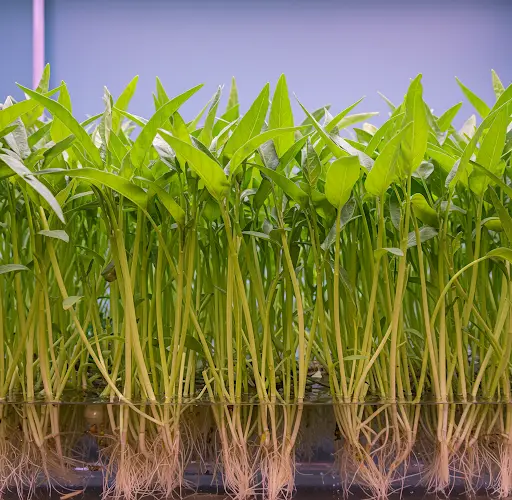
Growing water spinach (Ipomoea aquatica) semi-hydroponically is an excellent way to enjoy fresh, nutritious greens while making the most of recycled materials. Semi-hydroponics is a technique that involves growing plants in a medium that holds water and nutrients, without soil. This method is highly effective for plants like water spinach, which thrive in moist conditions. By using recycled materials, you can create an eco-friendly and sustainable growing system at home, reducing waste and promoting environmental responsibility.
What is Semi-Hydroponics?
Semi-hydroponics is a type of hydroponic growing that doesn’t rely on soil but still uses a growth medium to support plant roots. Instead of planting directly in the ground, plants are grown in an inert, water-retaining medium like perlite, clay pebbles, or even recycled materials such as plastic bottles and containers. This medium holds water and nutrients, providing the plant with everything it needs to grow. The roots are submerged in water, allowing them to absorb moisture and nutrients directly. The key advantage of semi-hydroponics is that it minimizes water usage while promoting healthy plant growth.
Benefits of Growing Water Spinach Semi-Hydroponically
Water spinach is a tropical plant that grows well in wet conditions. It requires a lot of water and nutrients to thrive, making it an ideal candidate for semi-hydroponics. By using this method, you can enjoy a continuous harvest of water spinach while using minimal space and resources. The benefits include:
-
Water Efficiency: Semi-hydroponics uses significantly less water than traditional soil-based growing. The water in the system is recirculated, which reduces waste and ensures that the plant gets a constant supply of moisture.
-
Faster Growth: With the roots constantly submerged in nutrient-rich water, plants can grow faster than they would in soil, where water and nutrients are less readily available.
-
Space Saving: This growing method is ideal for small spaces, as it doesn’t require large garden plots. It can be set up in containers, windowsills, or even small balconies, making it perfect for urban gardeners.
-
Reduced Pests and Diseases: Soil-based gardening often introduces pests and diseases. By growing water spinach semi-hydroponically, you reduce the risk of these issues, as the growing medium doesn’t harbor pests in the same way soil does.
How to Set Up a Semi-Hydroponic System Using Recycled Materials
Creating a semi-hydroponic system at home is simple and can be done using materials you likely already have. Here’s a step-by-step guide to getting started:
-
Gather Materials: You will need the following items:
-
A container or recycled plastic bottle for the growing vessel (old jars, plastic cups, or even a fish tank work well).
-
An inert growing medium like clay pebbles, perlite, or even crushed glass.
-
Water and a hydroponic nutrient solution (you can make your own by mixing water with a balanced liquid fertilizer).
-
Water spinach cuttings or seedlings.
-
-
Prepare the Container: Take your recycled container and cut it to size if necessary. Make sure it’s deep enough to hold water and allow the plant roots to grow. If you’re using a plastic bottle, cut the top off, leaving enough of the bottom to act as a reservoir for water.
-
Add the Growing Medium: Fill the container with your chosen medium. Clay pebbles or perlite work best for water retention and root support. If you don’t have these, you can use other materials like sand or even small pieces of broken pottery. The medium will support the plant’s roots and allow them to absorb water while providing stability.
-
Plant the Water Spinach: Insert the water spinach cutting or seedling into the medium. Ensure the roots are well-submerged in the water. If using a plastic bottle, you may need to cut holes in the bottle’s side to allow the plant to grow.
-
Set Up the Water Reservoir: Fill the bottom of your container with water mixed with a nutrient solution. This will supply the plant with the essential nutrients it needs to thrive. Keep the water level high enough to cover the plant roots but not too high that the plant sits entirely in the water.
-
Place in a Sunny Spot: Water spinach requires a lot of sunlight to grow, so place your setup in a location that receives at least 6 hours of sunlight per day. A windowsill or balcony is perfect for this. Make sure to rotate the container occasionally to ensure all sides of the plant receive enough light.
-
Maintain the System: Check the water level regularly and add more nutrient solution as needed. Since this is a closed system, you won’t need to water the plant as often as you would in soil. Keep an eye on the plant for any signs of nutrient deficiencies or pests, although these are less common in semi-hydroponic systems.
Recycling and Sustainability
One of the major advantages of using recycled materials in your semi-hydroponic system is its sustainability. You are not only growing fresh, healthy food at home, but you are also repurposing waste materials that would otherwise end up in landfills. Recycled plastic bottles, containers, and jars are perfect for this purpose, as they help reduce plastic waste and provide an excellent growing environment for plants. This approach encourages a more sustainable lifestyle, helping to conserve resources while reducing environmental impact.
Conclusion
Growing water spinach semi-hydroponically with recycled materials is an easy, eco-friendly way to produce fresh greens at home. This method reduces water consumption, improves plant growth, and allows you to repurpose everyday materials that might otherwise go to waste. With a little setup and care, you can enjoy a continuous harvest of nutritious water spinach in a sustainable, low-maintenance system. Whether you’re an experienced gardener or just starting out, this technique offers a simple and effective way to embrace sustainable gardening at home.


