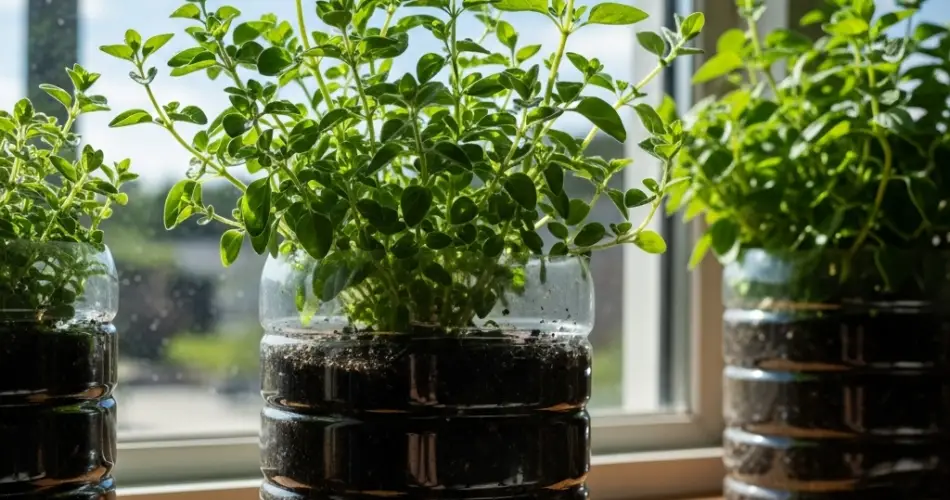
Oregano is a hardy, aromatic herb widely used in Mediterranean cuisine, known for its bold flavor and health-promoting properties. From seasoning pizza and pasta to adding zest to soups and sauces, oregano is a must-have in any kitchen. Fortunately, it’s easy to grow—even in limited space. With just a recycled plastic bottle, a sunny spot, and a few supplies, you can create a sustainable oregano garden right at home.
This DIY gardening project transforms used plastic bottles into eco-friendly planters, giving new life to waste while providing you with a fresh, flavorful herb year-round. Whether you live in an apartment, have a small balcony, or just want to reduce your carbon footprint, a bottled oregano garden is a smart, sustainable solution.
Why Grow Oregano in Plastic Bottles?
Plastic bottles are everywhere—and rather than letting them pile up in landfills, repurposing them as planters is a great way to reduce waste while growing your own herbs. Oregano thrives in containers and adapts well to small spaces, making it ideal for upcycled bottle gardening.
Benefits of growing oregano in bottles include:
-
Eco-conscious and low-cost gardening
-
Ideal for windowsills, balconies, and compact areas
-
Controls soil quality and water easily
-
Helps prevent oregano from becoming invasive
-
Keeps fresh herbs within arm’s reach for cooking
Oregano’s shallow root system makes it well-suited for container life. With the right care, even a simple plastic bottle can support healthy, productive growth.
What You’ll Need
To start your bottled oregano garden, gather the following supplies:
-
A clean plastic bottle (1.5–2 liters recommended)
-
Scissors or a utility knife
-
Organic potting mix (well-draining)
-
Oregano seeds or a young oregano plant
-
Small stones or mesh (optional, for better drainage)
-
A tray or dish to catch excess water
-
A watering can or spray bottle
Step 1: Prepare the Bottle Planter
You can create a planter from a plastic bottle in a few easy steps:
-
Clean the bottle thoroughly, removing labels and residue.
-
Cut off the top third of the bottle using scissors or a knife, leaving a deep container.
-
Poke several drainage holes at the bottom to allow excess water to escape.
-
Optional: Add a layer of small pebbles or mesh at the bottom for improved drainage.
-
Fill the bottle with potting soil, leaving about an inch of space from the top.
A light, well-draining mix is best for oregano. Avoid heavy or compacted soil, as it can cause root rot.
Step 2: Planting Oregano
You can start oregano from seeds or by transplanting a seedling.
From seeds:
-
Sow 3–5 seeds on the soil surface.
-
Lightly press them into the soil and cover with a thin layer (about 1/4 inch).
-
Mist gently with water.
-
Place the bottle in a sunny spot and keep the soil moist until germination, which typically takes 7–14 days.
From a seedling:
-
Make a hole in the center of the soil.
-
Place the root ball into the hole and firm the soil around it.
-
Water lightly to settle the roots.
Step 3: Light and Placement
Oregano thrives in full sun, requiring at least 6 hours of direct sunlight daily. Indoors, place the bottle on a south- or west-facing windowsill. Outdoors, choose a sunny balcony or patio corner.
Rotate the bottle occasionally to ensure even growth and prevent the plant from leaning toward the light.
Step 4: Watering and Feeding
Oregano is a drought-tolerant herb that prefers slightly dry conditions.
Watering tips:
-
Allow the top inch of soil to dry out between waterings.
-
Water deeply but infrequently to encourage strong root development.
-
Ensure proper drainage to prevent root rot.
Feeding tips:
-
Oregano doesn’t require heavy fertilization.
-
Use a diluted liquid fertilizer once a month during the growing season.
-
Avoid overfeeding, which may dilute the herb’s flavor.
Step 5: Pruning and Harvesting
Regular pruning encourages a bushier plant and better flavor.
Pruning tips:
-
Begin trimming once the plant reaches 4–6 inches in height.
-
Pinch off the top leaves to promote branching.
-
Remove flower buds to keep the plant focused on leaf production.
Harvesting tips:
-
Harvest leaves as needed by snipping stems just above a pair of leaves.
-
The more you harvest, the more the plant will produce.
-
Dry extra leaves for long-term storage, or use them fresh in your favorite recipes.
Common Issues and Solutions
-
Leggy growth: Usually caused by insufficient light. Move the plant to a sunnier spot.
-
Yellowing leaves: Often a sign of overwatering. Allow soil to dry more between waterings.
-
Pests: Oregano is generally pest-resistant, but if needed, a gentle spray of water or neem oil can help.
Conclusion
A bottled oregano garden is a simple, sustainable way to grow fresh herbs at home. By transforming an ordinary plastic bottle into a productive mini-garden, you reduce waste and bring nature into your living space. With minimal effort and space, you’ll enjoy the bold flavor and vibrant greenery of oregano right on your windowsill or balcony—all while making an eco-friendly choice for the planet.


