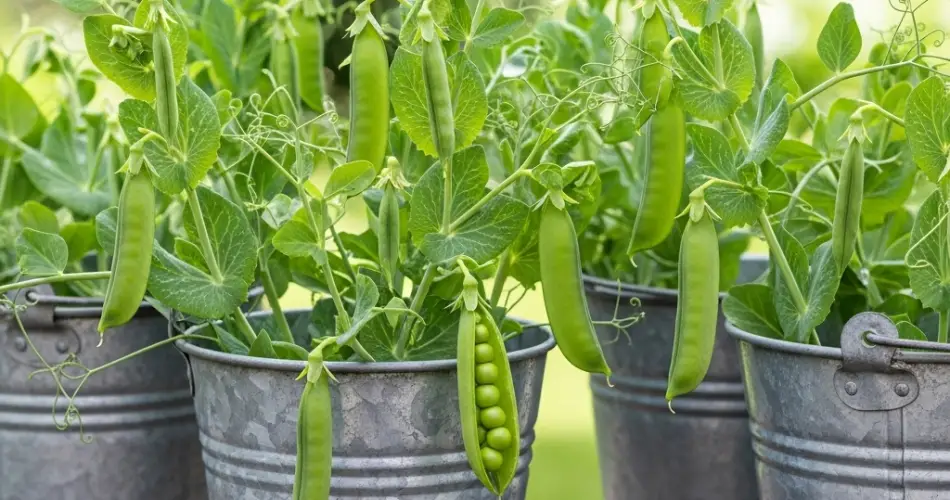
Peas are a nutritious, sweet, and versatile vegetable that can thrive even in small spaces when grown in containers. Bucket gardening allows urban gardeners and those with limited outdoor space to cultivate healthy pea plants while maintaining control over soil, water, and sunlight. One key aspect of successful container-grown peas is proper support using trellises. Trellises help pea plants climb, maximize space, improve airflow, and boost yields. This guide outlines step-by-step techniques to support pea plants in buckets effectively.
Why Use Buckets for Peas?
Container gardening offers several advantages for growing peas:
-
Space efficiency – Buckets fit easily on balconies, patios, or small yards.
-
Soil control – Containers allow gardeners to provide nutrient-rich, well-draining soil.
-
Mobility – Buckets can be moved to follow sunlight or avoid extreme weather conditions.
-
Pest and disease management – Growing peas in containers reduces exposure to soil-borne pests and diseases.
Using buckets ensures manageable, healthy plants that produce abundant pods.
Step 1: Choosing the Right Bucket
Selecting an appropriate container is essential:
-
Size – A 5-gallon (19-liter) bucket or larger is ideal to accommodate roots and provide sufficient soil for healthy growth.
-
Drainage – Drill multiple holes at the bottom to prevent waterlogging, which can cause root rot.
-
Material – Plastic, clay, or fabric pots are suitable as long as they can hold soil and moisture.
A well-chosen container provides the foundation for vigorous pea growth.
Step 2: Preparing the Soil
Peas prefer loose, fertile, well-draining soil:
-
Soil mix – Combine garden soil, compost, and perlite or coarse sand in equal parts to ensure good drainage while retaining moisture.
-
Soil pH – Aim for slightly acidic to neutral soil, ideally between 6.0 and 7.0.
-
Fertilization – Mix a balanced, slow-release fertilizer into the soil before planting to support early root and leaf development.
Proper soil preparation encourages strong roots, healthy foliage, and higher yields.
Step 3: Planting Pea Seeds
Correct planting ensures healthy plants:
-
Seed depth – Plant seeds about 1–2 inches (2.5–5 cm) deep.
-
Spacing – Maintain 2–3 inches (5–7 cm) between seeds to allow room for growth.
-
Varieties – Bush peas require minimal support, while climbing varieties need trellises or stakes.
Following proper planting techniques promotes vigorous growth and maximizes pod production.
Step 4: Installing Trellises
Supporting climbing peas is essential for healthy growth:
-
Trellis types – Use bamboo stakes, wooden frames, or netting to provide vertical support.
-
Height – Trellises should be at least 4–6 feet (1.2–1.8 m) tall for most climbing pea varieties.
-
Positioning – Insert the trellis securely into the bucket before or shortly after planting to avoid disturbing roots later.
A sturdy trellis prevents plants from sprawling, reduces disease risk, and encourages higher yields.
Step 5: Watering Pea Plants
Peas require consistent moisture, especially during flowering and pod formation:
-
Initial watering – Water thoroughly after planting to settle the soil around seeds.
-
Ongoing care – Maintain evenly moist soil, avoiding both dryness and waterlogging.
-
Watering technique – Water at the base to prevent wet foliage, which can lead to fungal problems.
Proper watering supports root growth, flowering, and pod development.
Step 6: Sunlight and Placement
Peas thrive in full sun with moderate temperatures:
-
Light requirements – Ensure plants receive at least 6–8 hours of direct sunlight per day.
-
Temperature – Peas prefer cool conditions, growing best between 55–75°F (13–24°C). Avoid hot, dry periods that can stress the plants.
Adequate sunlight promotes strong vines, healthy leaves, and abundant pods.
Step 7: Maintenance
Ongoing care ensures healthy, productive pea plants:
-
Fertilization – Apply a light, balanced liquid fertilizer every 3–4 weeks during the growing season.
-
Training vines – Gently guide pea tendrils onto the trellis as they grow. This prevents sprawling and allows air circulation.
-
Pruning – Remove damaged or yellowing leaves to reduce disease risk and encourage energy toward pod production.
-
Pest monitoring – Inspect plants for aphids or leaf miners and address infestations promptly.
Regular maintenance maximizes growth, prevents diseases, and improves harvest quality.
Step 8: Harvesting
Harvest peas at the right stage for optimal flavor and productivity:
-
Timing – Pick pods when they are plump but still tender. Check plants frequently, as peas mature quickly.
-
Technique – Use scissors or gently pinch pods from the plant to avoid damaging vines.
-
Frequency – Frequent harvesting encourages continuous flowering and pod production.
Timely harvesting ensures tender, sweet peas and keeps plants productive throughout the season.
Final Thoughts
Using buckets and trellises to grow peas is an excellent solution for small-space gardening. By selecting the right container, preparing fertile soil, planting seeds properly, installing a sturdy trellis, and maintaining proper watering, sunlight, and pest care, gardeners can enjoy abundant, homegrown pea pods.
Even on balconies or patios, container-grown peas can thrive, providing fresh, nutritious vegetables while maximizing vertical space and keeping plants healthy.


