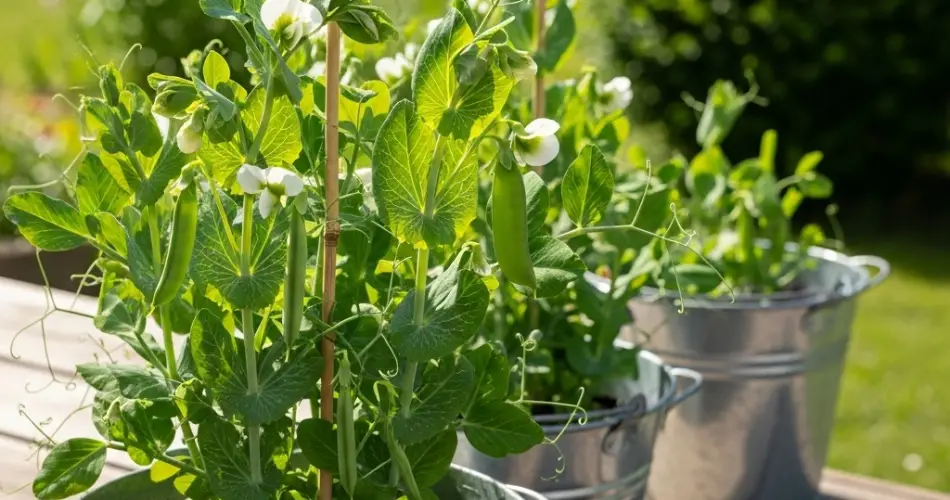
Peas are a delicious and nutritious addition to any home garden, and they adapt well to container gardening, making them ideal for patios, balconies, and windowsills. Growing peas in small containers allows urban gardeners and apartment dwellers to enjoy fresh, homegrown vegetables even without traditional garden space. By following proper planting, watering, and care techniques, it is possible to cultivate healthy, productive pea plants in compact environments.
Choosing the Right Container
Selecting an appropriate container is the first step in successful pea cultivation. Peas require containers at least 8–10 inches deep to accommodate their root system. Wider containers allow for multiple plants while maintaining adequate spacing for airflow and healthy growth.
Drainage holes are essential to prevent water accumulation, which can lead to root rot and stunted growth. Lightweight containers, such as plastic or fiberglass pots, are easy to move to optimize sunlight exposure, while ceramic or terracotta containers retain moisture effectively but may need additional watering during hot weather.
Preparing Soil for Peas
Peas thrive in well-draining, fertile soil. A high-quality potting mix enriched with compost or organic matter supplies essential nutrients and retains adequate moisture. Adding perlite or coarse sand improves soil aeration, prevents compaction, and supports strong root development.
Peas prefer slightly acidic to neutral soil, with a pH between 6.0 and 7.0. Fill containers to about an inch below the rim to allow room for watering and mulching. Mulching with straw or shredded leaves helps conserve moisture, regulate soil temperature, and suppress weeds, providing optimal growing conditions.
Selecting Pea Varieties
Compact or dwarf pea varieties are perfect for container gardening. Varieties such as ‘Little Marvel,’ ‘Tom Thumb,’ and ‘Sugar Ann’ grow well in small spaces and require minimal support. These bush-type peas produce a concentrated harvest and are ideal for windowsill or patio containers. Pole varieties can also be grown in larger containers with trellis support, offering extended harvests.
Planting Peas in Containers
Peas are generally grown from seeds sown directly into the container. Plant seeds about 1 inch deep and space them 2–3 inches apart. For pole varieties, provide a trellis or vertical support to allow vines to climb. Proper spacing ensures healthy growth, reduces disease risk, and encourages better airflow around the plants.
Water the soil lightly after planting to settle it and encourage germination. Keep the soil consistently moist until seedlings establish strong roots.
Watering and Moisture Management
Consistent moisture is crucial for container-grown peas. The soil should remain evenly moist but not waterlogged. Overwatering can cause root rot, while under-watering can stress the plants and reduce yield. Monitor soil regularly, especially during warm weather, as small containers dry out quickly.
Water in the morning to allow foliage to dry throughout the day, minimizing the risk of fungal diseases. Mulching helps retain moisture, keep roots cool, and reduce watering frequency.
Sunlight Requirements
Peas require full sunlight for optimal growth, ideally 6–8 hours per day. Position containers in a bright, sunny location to promote vigorous growth, healthy foliage, and abundant pod production. In hotter climates, provide partial afternoon shade to prevent stress and ensure consistent yields.
Fertilization and Care
Peas are light feeders and generally do not require heavy fertilization. Incorporate compost or a balanced, slow-release fertilizer into the soil before planting. Avoid excessive nitrogen, which encourages leafy growth at the expense of flowering and pod development.
Prune yellowing or damaged leaves to maintain airflow and reduce the risk of disease. For climbing varieties, maintain support structures to prevent vines from tangling and maximize space efficiency.
Harvesting Peas
Peas are typically ready to harvest when pods are firm, plump, and have reached the expected size. Frequent harvesting encourages continuous production and prevents pods from becoming tough or starchy. Use scissors or gently pinch pods from the plant to avoid damaging stems and neighboring growth.
Benefits of Compact Pea Gardening
Growing peas in small containers provides several advantages for urban and apartment gardeners. Containers allow control over soil, water, and sunlight, reduce exposure to pests and diseases, and make gardening feasible in limited spaces. With proper care, compact pea plants provide a steady supply of fresh, sweet pods throughout the season.
By selecting the right container, preparing nutrient-rich soil, watering consistently, providing adequate sunlight, and following proper harvesting techniques, gardeners can enjoy a productive pea harvest even in small spaces. Container gardening transforms patios and windowsills into productive green areas, offering fresh, homegrown peas year-round.


