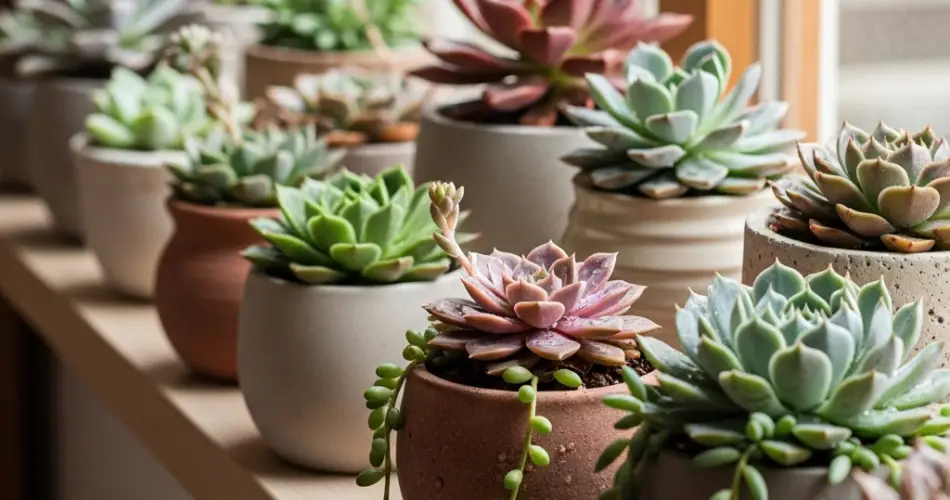
Succulents have become a centerpiece of modern indoor gardening, celebrated for their low maintenance, unique textures, and striking colors. Beyond being hardy plants, succulents are also versatile design elements that can elevate the aesthetic of any indoor space. Whether displayed individually in minimalist pots or arranged in creative terrariums, thoughtful styling brings out the beauty of these resilient plants while complementing your home décor.
Choosing the Right Succulents for Design
The first step in styling a succulent garden is selecting plants that match your design vision and environmental conditions. Popular indoor varieties include:
-
Echeveria: Known for symmetrical rosettes and pastel hues, perfect for compact arrangements.
-
Haworthia: Small, textured plants ideal for tabletop displays or clustered designs.
-
Sedum: Trailing succulents that work well in hanging planters or layered arrangements.
-
Crassula (Jade Plant): Offers architectural structure with thick, upright leaves.
When selecting succulents, consider size, growth habit, and color contrast. Combining plants with differing shapes and textures adds visual interest while maintaining a balanced composition.
Creative Containers and Displays
Succulent styling is greatly influenced by the containers and displays you choose. Modern indoor gardens often incorporate:
-
Minimalist ceramic or terra cotta pots: Clean lines and neutral tones allow the succulents to stand out.
-
Glass terrariums: Ideal for creating mini landscapes with layered soil, sand, and pebbles.
-
Geometric planters: Metal or concrete containers provide a contemporary look while highlighting plant forms.
-
Hanging and wall-mounted planters: Perfect for trailing succulents or vertical gardens in small spaces.
Mixing container types can create depth and dimension in your indoor garden, making the display more dynamic and visually appealing.
Soil and Layering Techniques
Proper soil and layering are essential for both plant health and aesthetic appeal:
-
Well-draining soil: Use a cactus or succulent potting mix to prevent root rot.
-
Layering: In terrariums or clear containers, start with a layer of pebbles for drainage, followed by soil, and optionally top with decorative sand or rocks.
-
Spacing: Leave enough room between plants to allow airflow and growth, while keeping the arrangement visually cohesive.
Thoughtful layering not only supports plant health but also enhances the overall design by creating a sense of structure and dimension.
Arranging Succulents
When styling your succulents, consider principles of balance, texture, and color:
-
Focal points: Use larger or more colorful succulents as central elements in the arrangement.
-
Texture contrast: Pair smooth-leaved plants with spiky or ridged varieties to create visual interest.
-
Height variation: Mix taller upright species with lower, spreading ones to create depth.
-
Color coordination: Complement leaf colors with neutral or contrasting containers, and consider grouping plants with similar tones for a cohesive look.
Experimenting with these elements helps create arrangements that feel both natural and intentional, enhancing the overall appeal of your indoor garden.
Maintenance for Styled Arrangements
Even the most stylish succulent arrangement requires ongoing care:
-
Light: Place succulents in bright, indirect light to maintain vibrant colors and compact growth.
-
Watering: Follow a “soak and dry” method—water thoroughly, then allow soil to dry before the next watering.
-
Pruning and cleaning: Remove dead or damaged leaves and trim overgrown plants to preserve the intended design.
-
Rotation: Turn pots periodically to ensure even light exposure and balanced growth.
Regular attention maintains the beauty of your arrangements while keeping plants healthy.
Incorporating Succulents into Modern Interiors
Succulent styling can complement a variety of modern interior aesthetics:
-
Minimalist spaces: Small, single-plant displays or monochromatic arrangements enhance simplicity.
-
Industrial design: Concrete or metal planters add texture and contrast to sleek interiors.
-
Eclectic décor: Mix different plant shapes, sizes, and container styles for a layered, artistic feel.
-
Workspace accents: Compact arrangements on desks or shelves bring greenery and calmness without cluttering the space.
By considering placement and context, succulents can enhance interior design while remaining functional and low-maintenance.
Final Thoughts
Styling succulents in modern indoor gardens is both an art and a science. By carefully selecting plants, choosing complementary containers, arranging with attention to balance and texture, and maintaining proper care, you can create arrangements that are visually striking and long-lasting. Succulents offer endless possibilities for creativity, making them ideal for anyone looking to bring a touch of natural beauty and contemporary style into their home.


