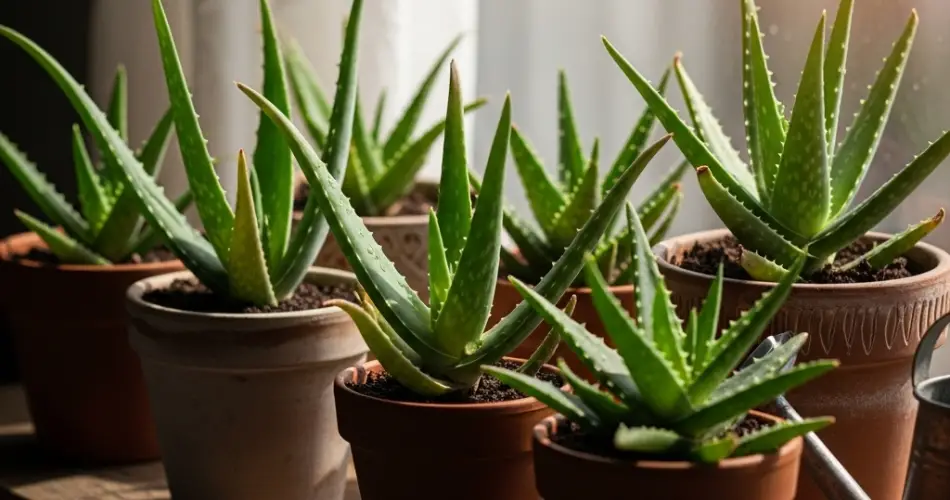
Succulents are among the most popular plants for indoor gardening, and for good reason. Their compact size, diverse shapes, and low-maintenance nature make them perfect companions for small spaces such as apartments, offices, or dorm rooms. Despite their miniature stature, succulents can dramatically enhance a room’s ambiance, bringing color, texture, and life to even the tiniest corners.
This guide explores how succulents can transform small spaces and provides tips for selecting, arranging, and caring for them.
Why Succulents Are Ideal for Small Spaces
Succulents are uniquely suited for limited spaces due to several key characteristics:
-
Compact size: Many succulents remain small, allowing them to fit on shelves, windowsills, or desks without overwhelming the space.
-
Low water requirements: Their ability to store water in thick leaves and stems makes them easy to care for, even in busy households.
-
Variety of forms: From rosettes and trailing vines to spiky clusters, succulents offer visual interest without occupying much room.
-
Air quality benefits: Like other houseplants, succulents can contribute to cleaner indoor air, enhancing the overall environment.
Because of these features, succulents are not only decorative but also practical additions to confined living areas.
Creative Ways to Display Succulents
Succulents can be showcased in numerous creative ways that maximize their visual impact in small spaces:
1. Windowsills and Shelves
Place small pots on windowsills or open shelving units where natural light is available. Succulents thrive in bright, indirect light, and grouping them together creates a miniature indoor garden effect.
2. Terrariums
Glass terrariums allow succulents to be displayed in a contained, decorative setting. They are perfect for apartments or offices because they occupy minimal space and add a unique, modern aesthetic.
3. Hanging Planters
Trailing succulents like string-of-pearls or burro’s tail can be grown in hanging planters, creating cascading greenery without taking up tabletop or floor space.
4. Desk or Table Accents
Small potted succulents make excellent desk companions. They bring a touch of nature to workspaces and can reduce stress while enhancing focus.
5. Vertical Gardens
For those with extremely limited floor space, vertical succulent arrangements on wall-mounted planters or panels allow for a living artwork that doubles as a functional green wall.
Caring for Succulents in Small Spaces
Even though succulents are low-maintenance, understanding their basic needs ensures they thrive and continue to brighten your space:
-
Light: Most succulents need bright, indirect sunlight. South- or east-facing windows are ideal, though some varieties tolerate moderate shade.
-
Watering: Succulents are drought-tolerant and prefer soil that dries out completely between waterings. Overwatering is the most common cause of plant stress.
-
Soil: Use a well-draining succulent or cactus mix to prevent root rot. Avoid dense, water-retaining soils.
-
Temperature: Succulents prefer stable, warm indoor temperatures, generally between 60–80°F (15–27°C).
-
Fertilization: Feed lightly during the growing season with a diluted, balanced fertilizer to encourage healthy growth, but skip fertilizing during dormancy.
Benefits of Succulents in Small Spaces
-
Aesthetic appeal: Succulents add texture, color, and form, instantly elevating the visual appeal of any room.
-
Stress reduction: Studies show that having indoor plants can improve mood, concentration, and mental well-being.
-
Creative expression: Succulent arrangements allow for artistic expression through pot selection, grouping, and styling.
-
Low maintenance: Ideal for busy lifestyles, succulents require minimal attention while providing long-lasting beauty.
Tips for Maximizing Impact
-
Mix sizes and shapes: Combining rosettes, spiky forms, and trailing varieties adds depth and interest.
-
Choose decorative containers: Small ceramic pots, glass jars, or repurposed containers can complement the room’s style.
-
Rotate plants: Even small succulents benefit from occasional rotation to ensure all sides receive light evenly.
-
Group in odd numbers: Arranging three or five succulents together tends to be more visually appealing than even-numbered groupings.
Conclusion
Succulents are tiny wonders that can completely transform small spaces, offering beauty, texture, and a sense of tranquility without demanding significant attention or room. Whether displayed on windowsills, desks, hanging planters, or vertical gardens, their presence brings life to compact interiors. With proper light, watering, and soil, these low-maintenance plants thrive, making them the perfect companions for urban living, offices, or any small-space environment.
By thoughtfully selecting and arranging succulents, you can turn even the most modest nook into a vibrant, green retreat, proving that size doesn’t limit impact when it comes to indoor plants.


