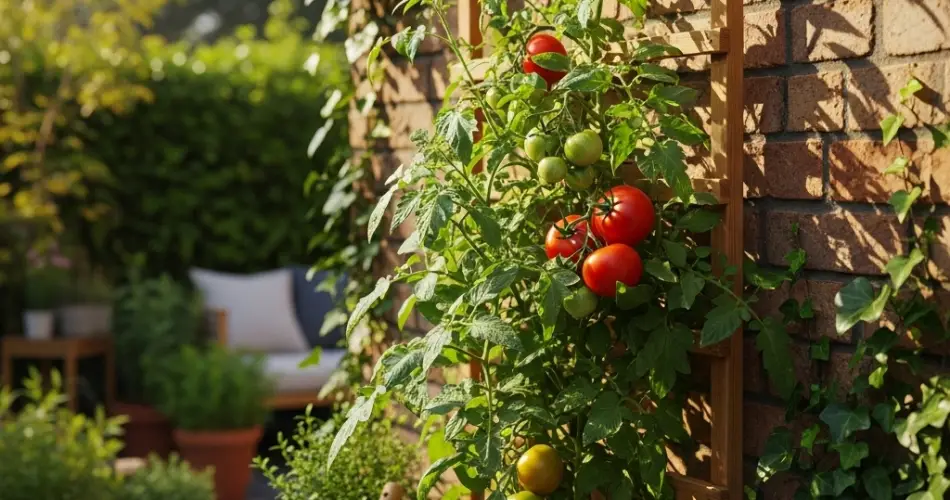
Tomatoes are a favorite among home gardeners, but successfully growing them requires more than good soil and sunlight. One of the biggest challenges is providing proper support for tomato plants, especially indeterminate varieties that grow tall and continue producing fruit throughout the season. Without support, vines sprawl across the ground, making fruits more vulnerable to pests, diseases, and rot. A sturdy metal frame offers the ideal solution, giving your plants the strength, stability, and space they need to thrive.
Why Indeterminate Tomatoes Need Extra Support
Unlike determinate tomato plants, which grow to a set height and produce fruit in a shorter window, indeterminate tomatoes can reach heights of six to ten feet or more. They keep growing and setting fruit until frost ends the season. This growth habit requires a strong, durable support system that can handle both the plant’s height and the heavy weight of ripening fruit. Traditional wooden stakes or flimsy cages often bend or collapse under the load, leaving your plants vulnerable. Metal frames, by contrast, provide long-lasting support capable of holding up season after season.
Benefits of Using Metal Frames
Metal frames are becoming increasingly popular among gardeners for several reasons:
-
Durability: Unlike wood, metal doesn’t rot, warp, or degrade quickly, making it a long-term investment.
-
Strength: Metal frames can handle the weight of tall vines and large clusters of fruit without bending or toppling.
-
Reusability: With proper care, metal frames can be reused year after year, saving money in the long run.
-
Better air circulation: By keeping plants upright, frames improve airflow around leaves and stems, reducing the risk of fungal diseases.
-
Easy harvesting: Supported plants are easier to prune and harvest, making garden maintenance less of a chore.
Choosing the Right Metal Frame
When selecting a metal frame for indeterminate tomatoes, consider both size and design. The frame should be at least six feet tall to accommodate the plant’s growth. Sturdy materials like galvanized steel or heavy-gauge wire are ideal because they resist rust and weather damage. Cone-shaped tomato cages are widely available, but for indeterminate varieties, rectangular or square frames tend to provide better stability and more vertical growing space.
Another option is the trellis-style frame, where tomatoes are trained to grow vertically against a strong grid of metal bars or wires. This method works particularly well for gardeners who want to maximize yield in limited space, as it keeps plants neatly contained while still allowing for abundant fruiting.
Installing Metal Frames in the Garden
Proper installation ensures your frames provide maximum support throughout the growing season. Place frames in the garden before or immediately after transplanting young tomato seedlings. This prevents root disturbance later on and ensures the plant grows naturally into the structure.
Push the base of the frame several inches into the soil for stability, especially in areas prone to strong winds. For extra security, anchor the frame with stakes or tie it to a support post. As the tomato plant grows, gently guide stems through the openings of the frame, tying them loosely with soft garden twine if needed. This training helps the plant grow upright while keeping branches supported and fruits off the ground.
Maintenance Throughout the Season
While metal frames do much of the work, a little maintenance goes a long way. Regularly prune side shoots or suckers to encourage better airflow and focus the plant’s energy on fruit production. Check ties periodically to make sure they are not cutting into stems as the plant thickens. If vines grow taller than the frame, they can be looped back down or tied gently along the top edge. With consistent attention, your tomato plants will remain strong and productive throughout the season.
Harvesting Made Easy
One of the greatest benefits of using metal frames is the ease of harvesting. Upright plants display their fruit more visibly, allowing you to spot ripe tomatoes quickly. Keeping fruit off the ground also reduces bruising, rot, and insect damage, ensuring healthier harvests. Plus, harvesting from framed plants is more comfortable—no bending or digging through tangled vines.
Long-Term Value of Metal Frames
While metal frames may cost more upfront than wooden stakes or plastic cages, their longevity makes them a worthwhile investment. With proper storage during the off-season, metal frames can last for many years. Galvanized or powder-coated options are especially resistant to rust, meaning they will withstand rain, humidity, and repeated use without deterioration.
Final Thoughts
Supporting indeterminate tomato varieties is essential for a successful harvest, and sturdy metal frames are one of the most reliable solutions. They provide the strength, durability, and height needed to handle vigorous growth and heavy fruiting. By keeping plants upright, metal frames improve airflow, reduce disease risks, and make pruning and harvesting much easier.
For gardeners who want to enjoy abundant, healthy tomatoes year after year, investing in sturdy metal frames is a smart choice. Not only will your plants thrive, but your harvests will be more plentiful, cleaner, and easier to enjoy. With this simple upgrade, you can transform your tomato patch into a highly productive and low-maintenance garden feature.


