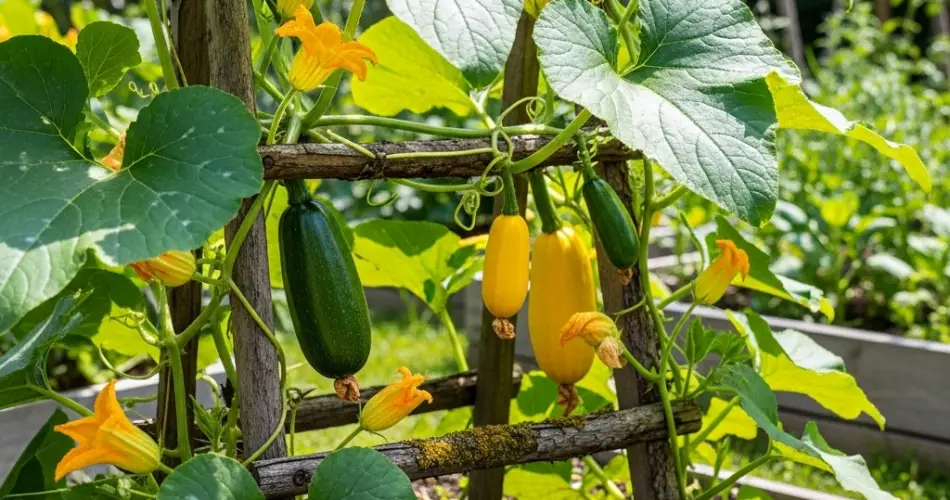
Squash is a rewarding crop for gardeners, known for its vigorous growth, large leaves, and plentiful harvests. However, its sprawling vines often take up more space than many home gardens can provide. Traditional squash cultivation usually requires wide beds, but with the right support system, gardeners can grow squash vertically, saving space while producing healthy, abundant yields. One of the most effective ways to achieve this is by using strong metal mesh structures as trellises.
Why Grow Squash Vertically?
Vertical gardening is increasingly popular for small yards, raised beds, and urban spaces where every inch matters. Growing squash vertically offers several key benefits:
-
Space Efficiency: Vines are lifted off the ground, freeing up soil space for other crops.
-
Improved Airflow: Elevating leaves and stems helps reduce fungal diseases like powdery mildew, which squash is prone to.
-
Easier Harvesting: Fruits hang visibly, making it simpler to spot and pick them.
-
Healthier Fruits: Squash hanging from trellises is less likely to rot or be damaged by pests, since fruits are not in direct contact with the soil.
-
Aesthetic Appeal: Vertical growth adds structure and visual interest to gardens, turning vegetables into living green walls.
Why Metal Mesh Is Ideal for Squash
Squash plants produce heavy vines and fruits, which can overwhelm weaker trellis materials like thin wood or plastic netting. Strong metal mesh provides the durability and stability needed to support these vigorous growers. Its advantages include:
-
Strength and Stability: Sturdy mesh can hold the weight of multiple large fruits without bending or breaking.
-
Longevity: Galvanized or powder-coated metal resists rust and weather damage, lasting for years with minimal maintenance.
-
Versatility: Metal mesh can be used in panels, arches, or A-frame structures to suit different garden layouts.
-
Thin Profile: Unlike bulky wooden supports, mesh provides maximum growing area without taking up much ground space.
Best Squash Varieties for Vertical Growth
Not all squash are equally suited for vertical gardening. Smaller-fruited varieties perform best on trellises, including:
-
Acorn Squash
-
Delicata Squash
-
Butternut Squash (smaller types)
-
Spaghetti Squash (lightweight varieties)
Larger pumpkins and heavy winter squash may require extra reinforcement or individual slings to support their weight.
Designing a Metal Mesh Trellis for Squash
There are several ways to incorporate metal mesh into vertical squash gardening. Popular designs include:
-
Flat Wall Panels: Secure metal mesh against a wall or fence, allowing vines to climb upward. Perfect for small gardens or narrow spaces.
-
A-Frame Structures: Two mesh panels joined at the top create a triangular frame. This design offers stability and makes harvesting easy, as fruits hang inside the frame.
-
Archways and Tunnels: Bending mesh into curved arches creates stunning walkways where squash dangles overhead, doubling as both support and garden décor.
When building trellises, ensure they are anchored firmly into the ground to withstand the weight of mature plants and strong winds.
Training Squash on Metal Mesh
Squash plants don’t naturally climb like beans or peas, but they can be trained onto trellises with a little guidance:
-
Planting: Sow seeds or transplant seedlings at the base of the mesh, spacing them 18–24 inches apart.
-
Guiding Vines: As vines grow, gently weave them through the mesh or tie them with soft garden ties.
-
Supporting Fruits: For heavier squash, create slings from cloth, netting, or old fabric to cradle the fruit and relieve strain on the vine.
-
Regular Maintenance: Continue training vines upward and pruning side shoots as needed to keep growth organized.
Care Tips for Vertical Squash
Vertical squash gardening requires the same basic care as ground-level cultivation, with some added attention to trellis management:
-
Watering: Squash is thirsty, so provide consistent deep watering, especially during flowering and fruit development. Drip irrigation works well with trellised plants.
-
Feeding: Use a balanced fertilizer rich in potassium and phosphorus to support strong growth and abundant fruiting.
-
Pruning: Remove yellowing or overcrowded leaves to improve air circulation and light penetration.
-
Pest Monitoring: Watch for squash bugs and vine borers. Growing vertically makes inspection easier since vines are elevated and more visible.
Seasonal Rewards
By midsummer, metal mesh trellises covered in squash vines become vibrant living walls. Large, broad leaves provide shade for the soil below, reducing moisture loss, while golden blossoms attract pollinators. Soon after, fruits dangle gracefully from the trellis, ripening in plain view.
Harvesting is simple—ripe squash can be cut directly from the trellis without bending or searching through dense foliage. This ease of access not only saves time but also reduces accidental damage to vines.
Conclusion
Strong metal mesh structures are a practical and stylish solution for vertical squash gardening. They provide the durability needed to support heavy vines, simplify maintenance, and make harvesting more convenient. Whether in a small urban garden or a larger backyard, these trellises turn sprawling squash into space-efficient, productive, and visually appealing crops.
For gardeners looking to maximize yields, save space, and enjoy healthier plants, investing in a sturdy metal mesh trellis is a decision that pays off season after season. With the right design and care, your squash harvest will be abundant, and your garden will benefit from the beauty and efficiency of vertical growing.


