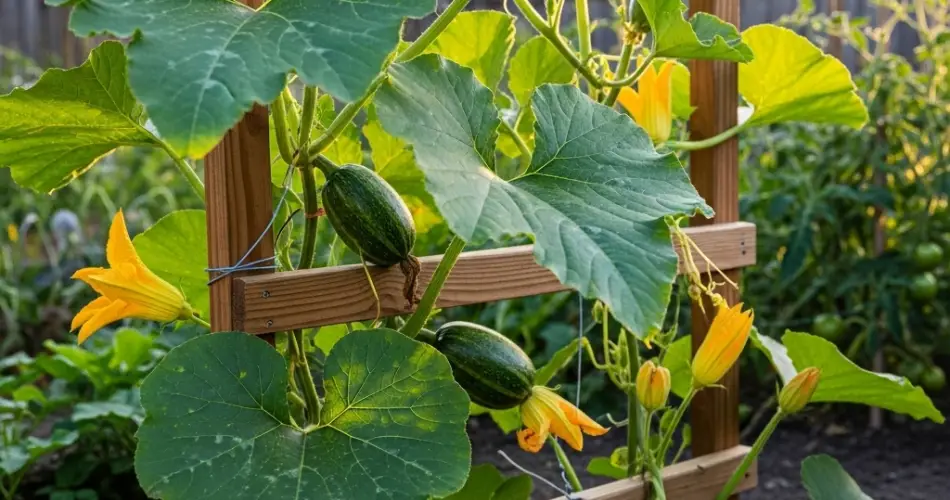
Summer squash is a rewarding crop for home gardeners, producing an abundance of tender, flavorful fruits throughout the warm months. Varieties such as zucchini, crookneck, and pattypan are staples in many kitchens, offering endless culinary possibilities. However, anyone who has grown summer squash knows that the plants can quickly sprawl, taking up valuable garden space and sometimes overwhelming nearby crops. The solution lies in giving them structured support. Rustic wooden supports are an effective, charming, and sustainable way to guide summer squash upward, keeping plants healthier and gardens tidier.
Why Support Summer Squash?
Unlike climbing beans or peas, most summer squash varieties do not naturally climb. They tend to grow as bushy or semi-vining plants, spreading wide and low. Without some form of guidance, they can:
-
Overcrowd garden beds: Large leaves and creeping stems take up more ground than expected.
-
Harbor pests and disease: Foliage lying on damp soil creates conditions for mildew, rot, and insect infestations.
-
Produce misshapen fruits: Squash resting on the soil often develops flat sides or blemishes.
-
Reduce airflow: Dense, ground-level growth traps humidity, encouraging fungal problems.
By training summer squash with rustic wooden supports, gardeners can lift vines and foliage off the soil, saving space while improving plant health and fruit quality.
Benefits of Rustic Wooden Supports
Rustic wooden supports provide both functionality and natural beauty in the garden. Their advantages include:
-
Affordability: Made from reclaimed wood, tree branches, or leftover lumber.
-
Eco-friendliness: Biodegradable and renewable, unlike plastic supports.
-
Sturdiness: Capable of holding the weight of mature squash plants and heavy fruits.
-
Aesthetic charm: The natural look complements cottage gardens, homesteads, and traditional plots.
-
Customization: Easily adapted to the space and variety of squash you’re growing.
Types of Rustic Wooden Supports for Summer Squash
1. A-Frame Wooden Trellis
An A-frame trellis is one of the most practical ways to lift semi-vining squash.
How it works:
-
Two wooden panels are angled together to form a triangular “A” shape.
-
Crossbars or slats are added for the squash to rest on as it grows.
-
The slanted design allows fruits to hang neatly while leaves spread upward.
This style is ideal for raised beds or small gardens where space is limited.
2. Rustic Ladder Supports
Old wooden ladders or DIY versions built from rough branches make excellent supports for summer squash.
Advantages:
-
Easy to place directly in the soil beside squash plants.
-
Fruits rest securely on the rungs instead of the ground.
-
Portable and reusable each season.
3. Teepee Frame with Crossbars
Similar to supports used for beans, a teepee-style frame can be adapted for squash.
Design tips:
-
Arrange long wooden poles in a circle, tying them securely at the top.
-
Add horizontal crossbars at intervals for squash leaves and fruits to rest on.
-
Plant squash at the base and guide stems toward the frame.
This design creates a rustic focal point while lifting plants off the soil.
4. Rustic Cradle Supports
For bush-type summer squash, small cradle-style wooden frames keep individual fruits elevated.
Benefits:
-
Prevents squash from sitting on damp soil.
-
Simple to build from short wooden slats or branches.
-
Works well when only a few supports are needed.
5. Arch or Tunnel Frames
For larger gardens, curved wooden frames or bent saplings can form an archway or tunnel.
Why it works:
-
Squash plants grow up the sides and across the top.
-
Fruits dangle attractively, making harvesting easy.
-
Doubles as a shaded walkway in summer.
Tips for Using Wooden Supports with Squash
-
Choose sturdy wood: Use hardwood branches, cedar, or treated lumber to ensure longevity.
-
Anchor supports well: Summer squash plants can become heavy, so secure supports firmly in the soil.
-
Guide plants early: Train stems gently toward the structure while they are young and flexible.
-
Use soft ties: Jute string or cloth strips prevent damage when securing stems.
-
Rotate crops: Move supports each year to reduce soil-borne disease risks.
Caring for Summer Squash on Supports
In addition to structural support, a few growing practices will maximize your harvest:
-
Regular watering: Squash needs consistent moisture, especially during fruit set.
-
Mulching: A layer of straw or compost keeps soil moist and reduces weeds.
-
Fertilizing: Feed with compost tea or balanced fertilizer every few weeks for steady growth.
-
Pruning: Remove damaged or overcrowded leaves to improve airflow.
-
Frequent harvesting: Picking fruits often encourages the plant to keep producing.
Final Thoughts
Rustic wooden supports transform the way summer squash grows in a home garden. By lifting vines and fruits off the soil, they improve airflow, reduce disease, and help produce cleaner, better-shaped harvests. Beyond their practical benefits, these supports add a timeless, natural aesthetic that enhances the charm of any garden.
Whether you build simple cradles, an A-frame trellis, or a decorative archway, rustic wooden supports make squash-growing more efficient and enjoyable. With just a few branches or reclaimed planks, you can create structures that are as beautiful as they are functional—and your summer squash will thrive as a result.


