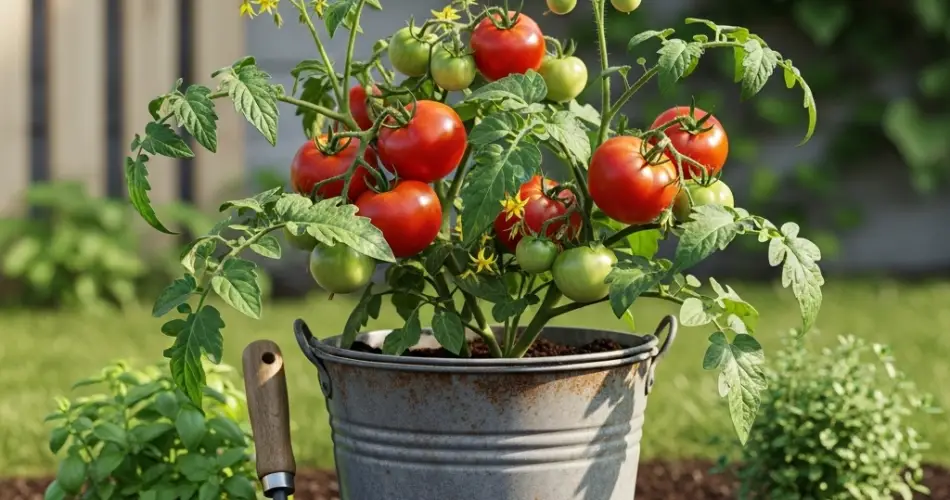
Tomatoes are among the most satisfying plants to grow at home, offering fresh, flavorful fruit for your kitchen without the need for a large garden. Even if you live in an apartment or have only a small balcony or patio, container gardening makes it possible to enjoy juicy, homegrown tomatoes. Planting tomatoes in containers is simple, practical, and highly productive when done correctly. With the right setup, you can harvest an abundant crop of tomatoes right outside your door.
Why Grow Tomatoes in Containers?
Growing tomatoes in containers provides several advantages:
-
Space saving: Ideal for balconies, patios, or small backyards.
-
Flexibility: Containers can be moved to follow sunlight or sheltered during storms.
-
Soil control: Using your own potting mix reduces risks of soil-borne diseases and pests.
-
Accessibility: Easier for beginners and perfect for those with limited mobility.
Container gardening allows you to enjoy fresh produce even in urban environments.
Step 1: Choosing the Right Container
The first step is selecting a proper container.
-
Size: A single tomato plant requires at least a 5-gallon container. Larger containers, like 10–15 gallons, allow deeper roots and higher yields.
-
Drainage: Ensure the pot has multiple drainage holes. Without them, waterlogging can damage roots.
-
Material: Plastic pots are lightweight and hold moisture well, while clay pots provide better airflow but dry out quickly. Fabric grow bags are another excellent option.
Bigger containers support stronger plants and healthier fruit production.
Step 2: Selecting Tomato Varieties
Not all tomatoes grow equally well in containers. Compact or determinate types are usually the best choice.
-
Determinate (bush) types: Roma, Patio, and Celebrity are excellent options. These stay smaller and don’t need excessive staking.
-
Cherry tomatoes: Varieties like Tiny Tim or Sweet 100 thrive in pots and produce heavily.
-
Indeterminate (vining) types: Larger varieties like Beefsteak can also be grown but require larger containers and strong support structures.
Choose varieties that match your space and your taste preferences.
Step 3: Preparing the Soil
Soil quality is crucial for healthy tomato growth.
-
Potting mix: Use a well-draining potting soil rather than garden soil, which may compact in containers.
-
Nutrients: Enrich the mix with compost, aged manure, or slow-release organic fertilizer.
-
Drainage improvement: Adding perlite, vermiculite, or coarse sand helps keep the soil light and airy.
Tomatoes prefer slightly acidic soil with a pH of 6.0–6.8.
Step 4: Planting Tomatoes in Containers
Now it’s time to plant your tomatoes.
-
Fill the container: Add soil until it is about one-third full.
-
Plant deeply: Place the tomato seedling in the container, burying the stem up to the first set of true leaves. This encourages strong root growth along the buried stem.
-
Backfill soil: Gently fill in around the plant, firming the soil lightly.
-
Water thoroughly: Give the plant a deep watering immediately after planting.
-
Support early: Insert a tomato cage, trellis, or stake while the plant is small to avoid damaging roots later.
Planting deeply and adding support at the start ensures healthier, more stable growth.
Step 5: Watering and Feeding
Tomatoes in containers dry out faster than those in the ground, so consistent watering is key.
-
Watering: Check soil moisture daily. Water deeply when the top inch feels dry. Avoid letting the soil completely dry out.
-
Feeding: Apply a balanced liquid fertilizer every 2–3 weeks. Once flowers form, switch to a fertilizer higher in potassium and phosphorus to encourage fruiting.
-
Mulching: Add a thin layer of compost, straw, or shredded leaves on top to conserve moisture and regulate soil temperature.
Consistent moisture prevents problems like blossom end rot and fruit cracking.
Step 6: Sunlight and Temperature
Tomatoes love warmth and sunlight.
-
Sunlight: Place your containers in a spot that gets at least 6–8 hours of direct sunlight per day.
-
Temperature: Ideal daytime temperatures range between 70–85°F (21–29°C). Protect plants during prolonged cold snaps or extreme heat.
If necessary, move containers to sunnier spots throughout the season.
Step 7: Care and Maintenance
To keep your tomato plants healthy, regular maintenance is important.
-
Pruning: Remove yellowing leaves and any suckers (side shoots) that appear in leaf axils, especially for indeterminate varieties.
-
Pest control: Watch for aphids, whiteflies, and hornworms. Organic options like neem oil or insecticidal soap work well.
-
Disease prevention: Ensure good air circulation around plants and avoid overhead watering to reduce fungal issues.
A little attention each week goes a long way toward ensuring a successful harvest.
Step 8: Harvesting Tomatoes
The most rewarding step is harvesting your fresh tomatoes.
-
Ripeness signs: Tomatoes are ready when fully colored and slightly soft to the touch.
-
Picking: Gently twist or cut the fruit from the vine.
-
Encouraging production: Regular harvesting stimulates plants to produce more fruit.
-
Storage: Keep ripe tomatoes at room temperature for the best flavor.
Allowing fruit to ripen on the vine provides the richest taste.
Conclusion
Planting tomatoes in containers is a simple and rewarding way to enjoy fresh produce at home. By choosing the right container, preparing nutrient-rich soil, planting deeply, and providing consistent care, you can enjoy juicy, flavorful tomatoes even in limited spaces. Container tomato gardening is not only practical but also offers the joy of harvesting your own homegrown food, making it an excellent choice for beginners and seasoned gardeners alike.


