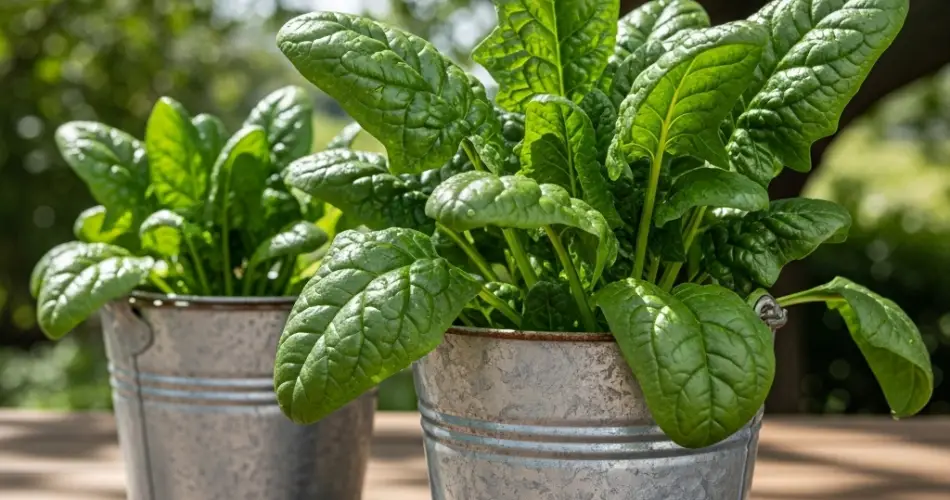
Spinach is a versatile and nutrient-rich leafy green that grows well in containers, making it perfect for urban and small-space gardening. Bucket gardening is an efficient way to cultivate spinach, allowing control over soil quality, water, and sunlight. By following a structured approach, you can enjoy fresh, tender spinach leaves from your balcony, patio, or rooftop garden with minimal effort.
Choosing the Right Bucket
Selecting the appropriate container is the first step in successful spinach cultivation. A 5-gallon bucket or larger works well, providing sufficient space for root growth and multiple plants. Ensure the bucket has drainage holes at the bottom to prevent waterlogging, which can cause root rot and stunt growth. Light-colored buckets are recommended in hot climates, as they reflect sunlight and help maintain a cooler soil temperature, whereas dark-colored containers may overheat, stressing the plants.
Preparing the Soil
Spinach prefers nutrient-rich, well-draining soil. A high-quality potting mix blended with compost or organic matter provides essential nutrients and retains enough moisture without becoming soggy. Mixing in perlite or coarse sand improves aeration and drainage, supporting healthy root development.
The soil should be filled up to 1–2 inches below the bucket rim, leaving space for watering and mulching. A slightly acidic to neutral pH of 6.0–7.0 is ideal, ensuring nutrient availability and robust growth.
Selecting Spinach Varieties
Different spinach varieties have varying growth rates and temperature tolerances. Loose-leaf types, such as ‘Bloomsdale’ or ‘Space,’ are ideal for bucket gardening because they mature quickly and can be harvested continuously. Heat-tolerant varieties are recommended for warmer months, as they maintain flavor and reduce the risk of bolting.
Planting Spinach Seeds
Spinach can be grown from seeds or seedlings. For seeds, plant them about ½ inch deep, spacing them approximately 2 inches apart. Once seedlings reach 3–4 inches tall, thin them to 3–4 inches apart to ensure adequate airflow and prevent overcrowding. This spacing promotes healthier leaves and reduces disease risk.
If using seedlings, gently transplant them into the prepared soil, taking care not to disturb the roots. Firm the soil around the base of each plant and water immediately to settle the roots and minimize transplant shock.
Watering for Healthy Growth
Consistent moisture is essential for spinach, especially in containers. Spinach has shallow roots, so the soil can dry out quickly. Water thoroughly when the top inch of soil feels dry, ensuring that water drains freely from the bottom of the bucket. Avoid overwatering, which can lead to root rot and yellowing leaves.
Morning watering is ideal, allowing leaves to dry during the day and reducing the risk of fungal diseases. Using a watering can or drip system ensures even distribution of water to all plants.
Sunlight and Temperature
Spinach is a cool-season crop that thrives in temperatures between 50–70°F (10–21°C). Place your buckets in a location that receives full or partial sunlight. Too much direct sunlight during hot weather may cause leaves to wilt or bolt, while too little light slows growth.
During warm months, consider providing partial shade or moving buckets to cooler areas to maintain tender leaves. In cooler months, ensure exposure to sunlight to promote vigorous growth.
Fertilization and Care
Fertilize spinach regularly to support rapid growth. A balanced, water-soluble fertilizer applied every 2–3 weeks provides essential nutrients for lush, healthy leaves. Avoid excessive nitrogen, which can encourage excessive leaf growth and increase susceptibility to pests.
Remove yellowing or damaged leaves promptly to maintain plant health. Regular harvesting of outer leaves encourages continuous growth and prolongs the productive period of your bucket-grown spinach.
Benefits of Bucket Gardening for Spinach
Bucket gardening offers several advantages for growing spinach. It allows gardeners to control soil quality, drainage, and sunlight, reducing pest and disease risks. Containers are portable, making it easy to adjust positioning for optimal conditions. With proper care, spinach grows rapidly, providing a continuous supply of fresh, tender leaves suitable for salads, smoothies, and cooking.
By following this step-by-step approach—choosing the right bucket, preparing nutrient-rich soil, planting seeds or seedlings correctly, and providing proper water, sunlight, and fertilization—urban gardeners can enjoy healthy, homegrown spinach. Even small spaces can become productive gardens, delivering nutritious greens conveniently and efficiently.


