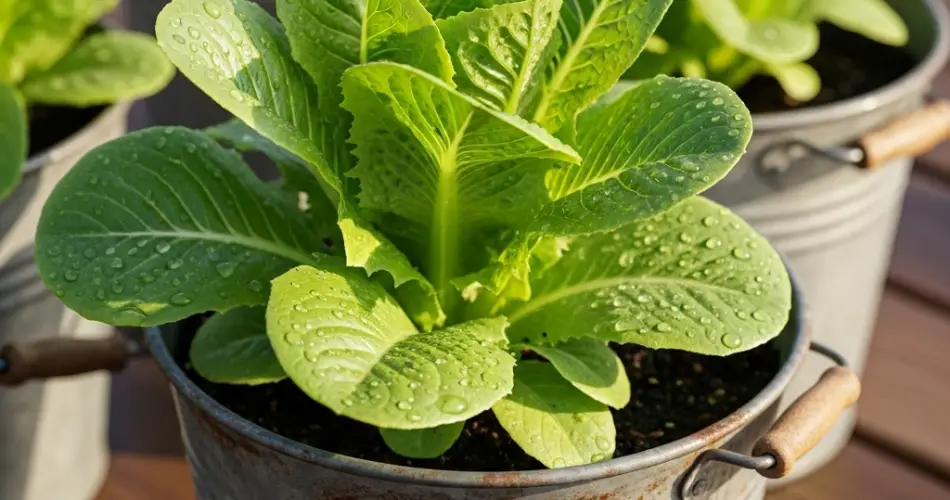
Spinach is a nutrient-packed leafy green, prized for its high iron content and versatile use in cooking. Growing spinach at home not only ensures a fresh, healthy supply but also allows gardeners with limited space to enjoy homegrown produce. Container gardening is an excellent solution for spinach cultivation, as it is simple, efficient, and suitable for balconies, patios, or small gardens. This guide outlines everything you need to know to grow iron-rich spinach in containers successfully.
Why Grow Spinach in Containers?
Container gardening offers several advantages for growing spinach:
-
Space efficiency – Ideal for small areas where in-ground planting is not possible.
-
Soil control – Provides the ability to use nutrient-rich, well-draining soil tailored for leafy greens.
-
Pest management – Containers allow better monitoring and control of pests like aphids or leaf miners.
-
Mobility – Buckets or pots can be moved to optimize sunlight exposure or protect plants from extreme weather.
With container gardening, even urban dwellers can grow nutritious spinach throughout the year.
Step 1: Selecting Containers
Choosing the right container is crucial for healthy spinach growth:
-
Size – A 5-gallon (19-liter) container is sufficient for multiple plants. Shallow containers can also work since spinach has relatively short roots.
-
Drainage – Drill or ensure adequate drainage holes in the bottom to prevent waterlogging.
-
Material – Plastic, clay, or metal containers are suitable, provided they are sturdy and can retain moisture without cracking or tipping.
Proper container selection ensures healthy roots and vigorous growth.
Step 2: Preparing the Soil
Spinach thrives in nutrient-rich, loose soil with good drainage:
-
Soil mix – Combine garden soil, compost, and perlite or sand in equal parts. This mixture ensures proper drainage while retaining enough moisture for leafy growth.
-
pH preference – Spinach grows best in slightly acidic to neutral soil, with a pH of 6.0–7.0.
-
Fertilization – Incorporate a balanced, slow-release fertilizer before planting to support rapid leaf development and nutrient density.
Well-prepared soil encourages strong root systems and high-quality, iron-rich leaves.
Step 3: Planting Spinach
Spinach can be grown from seeds or transplants:
-
Seeds – Sow seeds about 1/2 inch (1.3 cm) deep directly into the container. Keep the soil moist until seedlings emerge, usually within 7–14 days.
-
Spacing – Space seeds or seedlings 3–4 inches apart to allow adequate airflow and prevent overcrowding, which can lead to disease.
-
Succession planting – For a continuous harvest, plant seeds every 2–3 weeks. This staggered approach ensures a steady supply of fresh leaves.
Proper spacing and succession planting maximize productivity in a single container.
Step 4: Watering
Consistent moisture is essential for spinach:
-
Initial watering – Water thoroughly after planting to settle soil around the seeds or roots.
-
Ongoing watering – Keep the soil evenly moist but not soggy. Check soil daily, especially during hot or dry periods.
-
Watering technique – Water at the soil level to avoid wetting leaves, which can increase the risk of fungal diseases.
Regular watering supports tender leaves and continuous growth.
Step 5: Sunlight and Placement
Spinach prefers cooler temperatures and moderate sunlight:
-
Light requirements – Place containers in an area receiving 4–6 hours of sunlight per day. Too much direct sun in hot climates may cause the plants to bolt prematurely.
-
Temperature – Spinach grows best in temperatures between 50–70°F (10–21°C). In warmer climates, partial shade can help prevent early flowering and bitterness.
Proper sunlight and temperature management ensure healthy, flavorful leaves.
Step 6: Fertilization and Maintenance
Maintaining nutrients is key to iron-rich, leafy spinach:
-
Feeding – Apply a balanced liquid fertilizer every 2–3 weeks to encourage continuous leaf growth.
-
Mulching – Use organic mulch to retain soil moisture and keep soil temperatures stable.
-
Pest management – Inspect leaves regularly for aphids, caterpillars, or other pests. Remove or treat promptly to protect the crop.
Ongoing care promotes vigorous growth and maintains high nutritional value.
Step 7: Harvesting
Harvesting correctly encourages multiple yields:
-
Cut-and-come-again method – Pick outer leaves as needed, leaving the central growth intact. This allows the plant to keep producing fresh leaves.
-
Timing – Harvest leaves when they are young and tender for the best flavor and highest iron content.
-
Frequency – Regular harvesting stimulates new growth and prevents the plant from bolting.
With proper harvesting, container-grown spinach can supply fresh greens for several weeks.
Final Thoughts
Growing spinach in simple containers is an easy and effective way to enjoy nutrient-rich, homegrown greens. By selecting appropriate containers, preparing fertile soil, providing consistent water, monitoring sunlight, and maintaining regular care, gardeners can achieve continuous harvests of iron-rich leaves.
Container gardening transforms small spaces into productive, healthy gardens, allowing anyone to enjoy fresh, flavorful spinach year-round. With proper planning and attention, your homegrown spinach will thrive, making every meal greener and more nutritious.


