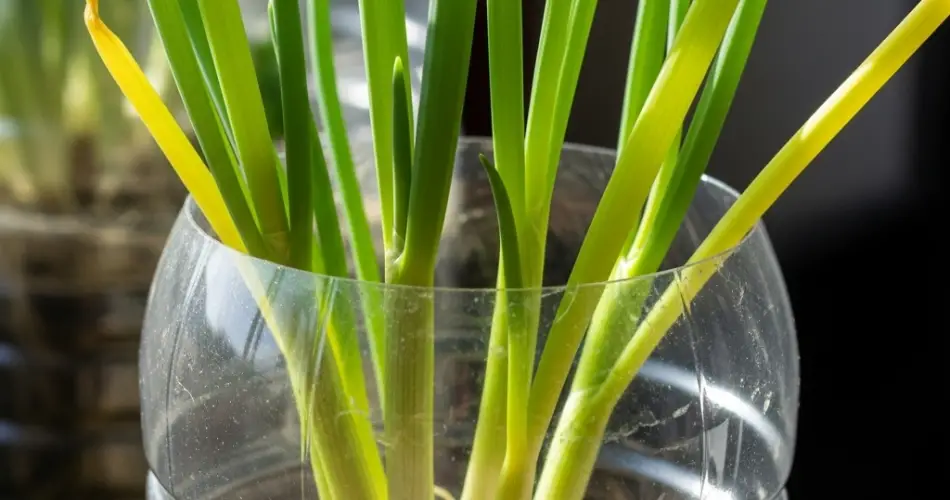
Growing scallions at home is a simple and rewarding experience—especially when using recycled plastic bottles. Scallions, also known as green onions or spring onions, are easy to cultivate and don’t require deep soil or much space. With just a few basic materials, you can create a sustainable mini garden in your kitchen, balcony, or windowsill. This method not only saves space but also promotes eco-friendly gardening by reusing household plastic waste.
Here’s a complete, step-by-step guide on how to grow scallions using plastic bottles.
Why Grow Scallions in Bottles?
Scallions are fast-growing and resilient. They don’t need a large garden bed, making them perfect for container gardening. Bottle planters are especially ideal for vertical gardens or for those living in apartments or areas with limited outdoor space. Additionally, scallions can be harvested multiple times, offering a continuous supply of fresh greens right at home.
What You’ll Need
Before starting, gather the following materials:
-
1.5- to 2-liter plastic bottles (clean and label-free)
-
A sharp cutter or utility knife
-
Scissors or heated nail (for making holes)
-
Quality potting soil or compost
-
Scallion seeds or scallion roots with white bulbs intact
-
Watering can or spray bottle
-
String or wire (optional, for hanging)
-
A sunny windowsill, balcony, or wall with partial to full sunlight
Preparing the Bottles
-
Clean the Bottles Thoroughly
Rinse out the bottles and remove any labels or glue residue. This ensures light can reach the soil and prevents contaminants from affecting plant growth. -
Cut an Opening for Planting
Lay the bottle on its side and cut a wide rectangular window along one side. Leave enough space around the edges for structural integrity. -
Make Drainage Holes
Poke several small holes at the bottom using a heated nail or sharp knife. This will allow excess water to drain, preventing root rot. -
Add Potting Soil
Fill the bottle about three-quarters full with potting soil. For best results, use well-draining soil enriched with compost or organic matter.
Planting the Scallions
There are two primary ways to start growing scallions in bottles:
Option 1: From Seeds
-
Sow the seeds about 1 cm deep and 2–3 cm apart.
-
Gently cover with soil and water lightly.
Option 2: From Kitchen Scraps
-
Take leftover scallion roots (with the white bulb section intact).
-
Place the roots directly into the soil, spacing them about 2–3 cm apart.
-
Press the soil gently around the base and water thoroughly.
Starting from scraps is faster and ideal for those who regularly cook with scallions.
Ideal Growing Conditions
Scallions thrive in mild to warm temperatures and enjoy consistent moisture. Place your bottle planters in a location that gets 4 to 6 hours of sunlight per day.
Light: Full sun or partial shade
Temperature: 15°C to 25°C (59°F to 77°F)
Soil: Loose, fertile, and well-draining
Watering: Keep the soil moist but not soggy
If the soil dries out too quickly due to heat or wind, consider using mulch or moving the bottle to a slightly shadier spot.
Daily Care Tips
-
Watering: Use a watering can with a narrow spout or a spray bottle to water evenly. Check moisture levels daily, especially during hot weather.
-
Fertilizing: A light feeding every two weeks with compost tea or diluted organic fertilizer will encourage stronger, greener growth.
-
Trimming Weeds: Keep the surface free of competing plants or moss.
Harvesting Your Scallions
Scallions are typically ready for harvest 3 to 4 weeks after planting, depending on whether you started from seed or roots.
To Harvest:
-
Use scissors or a small knife to snip the green tops when they reach 6–8 inches tall.
-
Leave at least an inch of the plant above the soil so it can regrow.
You can harvest scallions multiple times from the same plants, making them a long-lasting and efficient addition to your container garden.
Troubleshooting Common Issues
-
Yellowing Leaves: May indicate overwatering or poor drainage. Check holes and adjust watering schedule.
-
Stunted Growth: Ensure the plant is receiving adequate sunlight and nutrients.
-
Root Rot: This can occur if bottles do not have sufficient drainage. Always use bottles with holes at the bottom.
Vertical Bottle Gardening Tip
To grow multiple scallions in a vertical space, stack bottles with staggered planting holes along the sides. Secure them with wire or hang from a wall. This tower-style setup is perfect for maximizing yield in small areas.
Final Thoughts
Growing scallions in plastic bottles is a smart, space-saving way to enjoy fresh herbs at home while also helping the environment. Whether you’re reusing kitchen scraps or starting from seed, this method is simple, affordable, and accessible for anyone. With just a bit of care and sunlight, you’ll soon have a steady supply of crisp, flavorful scallions—no garden required.


