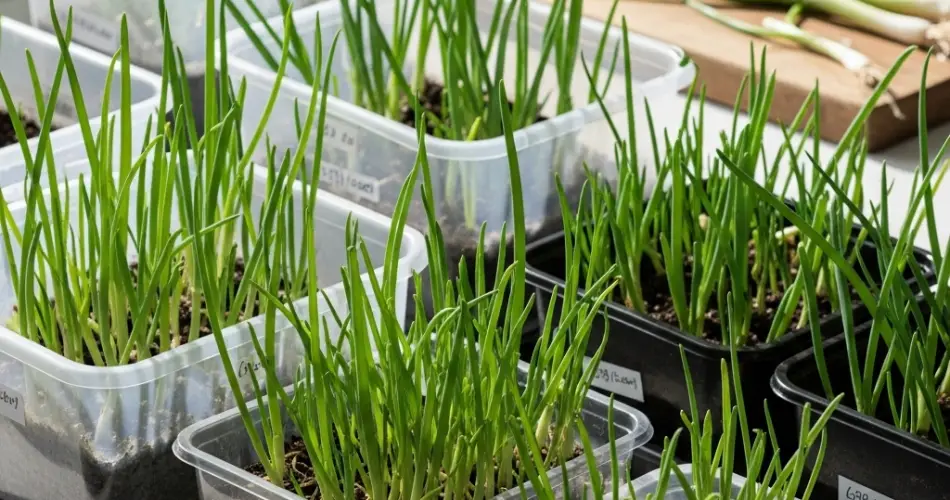
Scallions, also known as green onions or spring onions, are one of the easiest vegetables to grow at home. Their shallow root systems and compact growth habits make them perfect for container gardening, even in the smallest of spaces. By using recycled plastic containers, you can grow fresh scallions without the need for a backyard garden, while also reducing household waste.
This guide walks you through every step of growing scallions in plastic containers, from setup to harvest.
Why Choose Plastic Containers for Scallions?
Plastic containers are lightweight, easy to handle, and widely available. Old food containers, water jugs, or even storage tubs can be repurposed into efficient mini-gardens. Since scallions don’t require deep soil or complex care, plastic containers provide a suitable and eco-friendly option for growing them indoors or on balconies.
What You’ll Need
Before planting, gather the following materials:
-
Clean plastic containers (take-out boxes, yogurt tubs, juice bottles, etc.)
-
Potting mix or a mix of compost and garden soil
-
Scallion seeds or root ends from store-bought scallions
-
A small knife or drill (for making holes)
-
A spray bottle or watering can
Optional: Labels, markers, or decorative containers for aesthetics
Preparing Your Containers
-
Choose the Right Size:
Scallions don’t grow deep roots, so a container that’s 4–6 inches deep is sufficient. Wide containers work best to grow multiple plants. -
Create Drainage:
Use a knife, screwdriver, or heated nail to poke several holes in the bottom of each container. Proper drainage prevents waterlogging, which can cause root rot. -
Clean Thoroughly:
Wash the containers with soap and water to remove residues. Rinse well and allow them to dry before use.
Planting Scallions from Seeds
-
Fill the Container:
Add your potting mix, leaving about an inch of space at the top. -
Sow the Seeds:
Scatter scallion seeds on the surface and cover them with about 1/4 inch of soil. Lightly press the soil down to secure the seeds. -
Water Gently:
Mist the soil with a spray bottle or use a watering can with a fine spout. Keep the soil moist but not soaked. -
Provide Sunlight:
Place the container in a sunny location, such as a windowsill or balcony. Scallions need 4–6 hours of sunlight daily.
Planting Scallions from Kitchen Scraps
Another simple method is replanting the white root ends of scallions you’ve already used.
-
Cut and Save the Roots:
When cooking, cut the scallions about 1–2 inches above the roots and set the white bases aside. -
Pre-root in Water (Optional):
Place the roots in a glass with a bit of water. In a few days, new green shoots will appear. -
Transfer to Soil:
Once roots have grown longer, plant them in your prepared container with the green shoot just above the soil. Water lightly.
This method offers quicker regrowth and reduces waste.
Caring for Your Scallions
-
Watering:
Keep the soil consistently moist, especially during warm weather. Water gently whenever the top inch of soil feels dry. -
Fertilizing:
If you’re using compost-rich soil, additional feeding may not be necessary. Otherwise, use a diluted liquid fertilizer every 2–3 weeks to support healthy growth. -
Thinning:
If seedlings are crowded, thin them out once they reach about 2 inches tall. This gives each plant enough space to mature.
Pest and Disease Tips
Scallions rarely suffer from pests, especially in containers. Still, check regularly for aphids or fungus gnats. A spray made from water and mild dish soap can control small infestations. Avoid overwatering to prevent mold and root rot.
When and How to Harvest
Scallions are ready for harvesting about 6–8 weeks after planting from seed, or even sooner if planted from scraps. Here’s how to harvest:
-
Partial Harvesting:
Cut the green tops with scissors, leaving the white base and roots in the soil. The plant will continue to regrow for multiple harvests. -
Full Harvesting:
Gently pull the entire plant from the soil when it’s mature, especially if you’re clearing space to plant again.
Always harvest the outer, larger stalks first and allow inner ones to mature. This method extends your harvest window.
Regrowing for Continuous Supply
After each cut, scallions will regrow within days. You can continue harvesting from the same plant several times before its growth slows down. At that point, compost the old plant and start a new round using seeds or scraps.
Conclusion
Growing scallions in plastic containers is an easy and sustainable way to enjoy fresh herbs at home. Whether you use seeds or regrow kitchen scraps, this method is perfect for beginners and those working with limited space. With basic care and regular watering, your container-grown scallions will offer you a steady supply of crisp, flavorful greens—all from the convenience of your windowsill or balcony.


