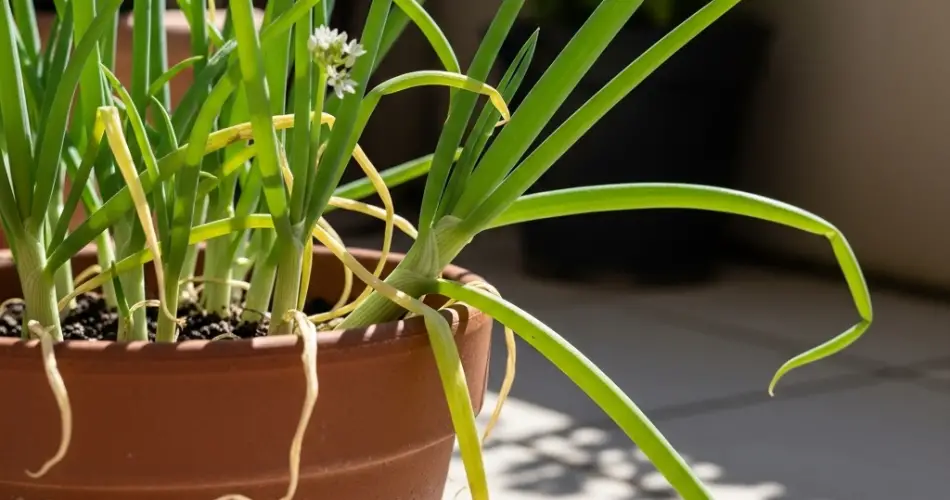
Scallions, also known as green onions or spring onions, are a staple in many kitchens thanks to their crisp texture and mild onion flavor. Fortunately, they’re also one of the easiest vegetables to grow in containers. Whether you live in an apartment or simply want to add fresh flavor to your meals without a trip to the store, container-grown scallions offer a practical and space-saving solution.
This guide walks you through everything you need to grow scallions successfully in pots—from choosing containers to harvesting your own continuous supply of fresh greens.
Why Grow Scallions in Containers?
Scallions are compact, fast-growing, and require minimal maintenance. Growing them in containers makes it easy to monitor moisture levels and avoid soil-borne diseases. Plus, containers allow you to move your scallion plants around to catch more sun or protect them from harsh weather.
Key advantages:
-
Ideal for balconies, patios, or windowsills
-
Grows well in shallow pots
-
Regrows multiple times from the same base
-
Perfect for continuous harvests year-round
Choosing the Right Container
Scallions don’t need deep soil to thrive, so a wide, shallow pot will do just fine. Each plant has a small root system, which makes them ideal for tight spaces.
Recommended container features:
You can use plastic pots, clay planters, or even recycled containers like buckets or basins—just make sure there’s adequate drainage.
Soil Preparation
Scallions prefer well-draining, loose soil that is rich in organic matter. A good potting mix combined with compost works well.
Soil mix suggestion:
-
60% high-quality potting mix
-
30% compost or well-rotted manure
-
10% perlite or sand for improved drainage
Avoid using garden soil, which may compact and restrict root growth in containers.
Planting Scallions
There are two common ways to grow scallions: from seeds or from kitchen scraps.
1. From seeds:
-
Fill the container with moist soil.
-
Sow seeds about ¼ inch deep and 1 inch apart.
-
Lightly cover with soil and water gently.
-
Keep the soil consistently moist until germination (7–14 days).
2. From kitchen scraps:
-
Save the white root ends from store-bought scallions.
-
Place them in a glass of water for a few days until roots grow longer.
-
Transplant into the soil, burying the roots and leaving the green tops exposed.
Using scraps is a quick and cost-effective way to start your container scallion garden.
Light and Temperature Requirements
Scallions grow best in full sun but can tolerate partial shade. Ideally, place your container in a spot that gets at least 4–6 hours of sunlight daily. A sunny windowsill, balcony, or patio is perfect.
They prefer cool to mild temperatures, making them suitable for spring and fall planting. In warmer regions, they can be grown year-round.
Watering and Fertilizing
Scallions need regular watering to keep the soil consistently moist, but not soggy. Check the top inch of soil—if it feels dry, it’s time to water.
Watering tips:
Fertilize lightly every 2–3 weeks with a balanced liquid fertilizer or fish emulsion. If you’ve added compost to the soil, extra feeding may not be necessary.
Pest and Disease Control
Scallions are generally pest-resistant, but it’s still a good idea to monitor for common issues.
Watch out for:
-
Aphids: Spray with water or use neem oil.
-
Thrips or onion maggots: Use insect netting and avoid overcrowding.
-
Fungal diseases: Ensure proper drainage and good airflow.
Growing in containers reduces many soil-borne diseases, and rotating your crops seasonally also helps maintain healthy plants.
Harvesting Scallions
You can begin harvesting scallions once they reach about 6–8 inches tall, usually around 4–6 weeks after planting.
Harvesting options:
-
Cut-and-come-again: Snip the green tops, leaving the base and roots intact to regrow.
-
Full harvest: Gently pull the entire plant from the soil.
To extend the harvest, plant scallions in batches every 2–3 weeks for a continuous supply.
Regrowing and Replanting
One of the best things about scallions is how easily they regrow. After harvesting, the leftover white bulb with roots can be replanted or left in place to sprout again.
Tips for ongoing harvests:
-
Avoid over-harvesting from the same plant repeatedly.
-
Replace older plants with fresh seedlings every couple of months.
-
Add a bit of compost to replenish soil nutrients between plantings.
Final Tips for Success
-
Use a mulch layer to conserve moisture and reduce weeds.
-
Keep containers in a sunny spot with some wind protection.
-
Clean your pots thoroughly between growing cycles to prevent disease buildup.
-
Combine scallions with other small herbs like parsley or chives for a compact edible garden.
Growing scallions in containers is one of the simplest and most rewarding gardening projects you can try, even with limited space. With just a few pots and a bit of care, you’ll enjoy fresh green onions right from your balcony or windowsill—perfect for garnishing soups, salads, and stir-fries anytime.