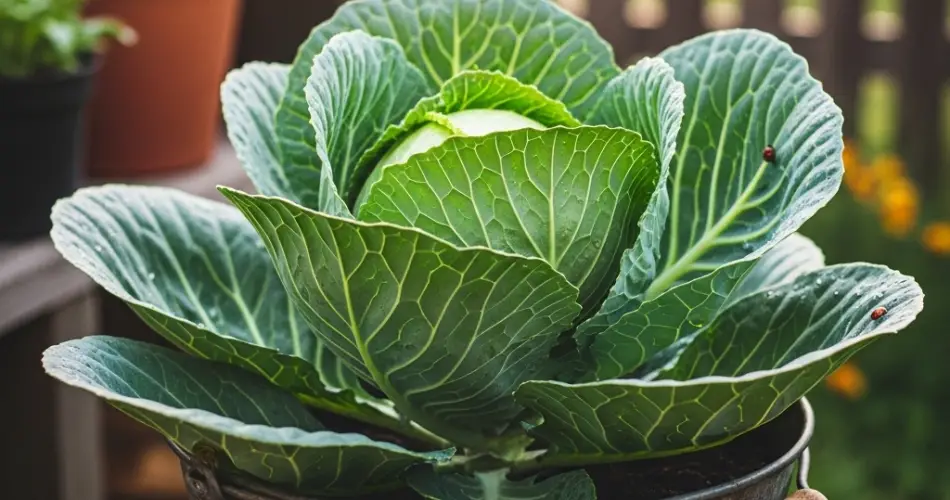
Cabbage is a nutrient-rich and versatile vegetable, loved for its crisp leaves and ability to enhance everything from fresh salads to hearty soups. While it is traditionally grown in large garden plots, cabbage can also thrive in containers, making it an excellent choice for urban gardeners and those with limited outdoor space. With the right care, you can enjoy a steady harvest of fresh cabbage grown right from a bucket.
This step-by-step guide walks you through everything you need to know to successfully grow cabbage in containers.
Why Grow Cabbage in Buckets?
Cabbage is often seen as a garden crop requiring lots of space, but buckets provide a simple solution. Here are a few benefits:
-
Space-saving option – Perfect for balconies, patios, or small backyards.
-
Controlled environment – Buckets allow you to control soil quality, drainage, and nutrition.
-
Reduced pests and weeds – Easier to manage than open-ground planting.
-
Mobility – Containers can be shifted to capture more sunlight or protect plants from harsh weather.
With just a little planning, cabbage bucket gardening can be both practical and highly rewarding.
Choosing the Right Bucket
Cabbage plants need plenty of room for their roots to spread. Select a 5-gallon bucket or larger, at least 12–14 inches deep, with good drainage holes at the bottom. Without proper drainage, roots may rot and plants will struggle to grow.
For best results, consider placing the bucket on a stand or bricks to ensure excess water can drain freely.
Best Cabbage Varieties for Container Growing
Not all cabbage varieties perform well in small spaces. Choose compact or early-maturing types, such as:
-
Golden Acre – A compact variety with small, firm heads.
-
Early Jersey Wakefield – Known for its fast maturity and cone-shaped heads.
-
Savoy Cabbage – With crinkled leaves, this variety is both decorative and tasty.
-
Red Express – A smaller red cabbage variety ideal for containers.
These varieties adapt well to bucket gardening and provide quicker harvests compared to larger traditional types.
Preparing the Soil
Cabbage prefers nutrient-rich, well-draining soil. For containers, a homemade mix works best:
-
50% high-quality potting soil
-
30% compost or well-rotted manure
-
20% perlite or coarse sand for aeration
This blend ensures proper drainage while providing essential nutrients for strong leaf development. You can also mix in a handful of slow-release fertilizer before planting to give your cabbage a healthy start.
Planting Cabbage in Buckets
-
Fill the bucket with the prepared soil mix, leaving two inches at the top.
-
Sow seeds about ¼ inch deep, planting two or three seeds per bucket. Once seedlings emerge, thin them down to the strongest plant.
-
Alternatively, transplant seedlings from a nursery, spacing them properly in the container.
-
Water thoroughly after planting to settle the soil around the roots.
Since cabbage takes a few months to mature, starting with healthy seedlings can save time.
Caring for Container Cabbage
Sunlight
Cabbage requires 6–8 hours of direct sunlight daily. Place buckets in the sunniest area available to ensure strong leaf growth.
Watering
Keep the soil consistently moist but not soggy. Check daily, especially in warmer months, as containers dry out faster than garden soil. Mulching with straw or shredded leaves helps retain moisture and regulate soil temperature.
Fertilizing
Cabbage is a heavy feeder. Apply a balanced liquid fertilizer every two weeks, focusing on nitrogen during early growth stages for leafy development. As the plant begins to form heads, switch to a fertilizer with more phosphorus and potassium.
Support and Care
Although cabbage doesn’t climb, the heads can become heavy. If the plant begins leaning, gently mound soil around the base for extra stability.
Common Problems and Solutions
-
Yellowing leaves: This may indicate nutrient deficiencies. Feed with a nitrogen-rich fertilizer or compost tea.
-
Aphids and caterpillars: Handpick pests or spray leaves with neem oil or soapy water. Floating row covers can also prevent insect damage.
-
Bolting (premature flowering): Usually caused by temperature stress. Choose bolt-resistant varieties and keep the soil consistently moist.
-
Root rot: Ensure proper drainage and avoid overwatering.
Harvesting Cabbage from Buckets
Cabbage is ready to harvest once the head feels firm and solid to the touch. For most compact varieties, this occurs within 70–90 days. Use a sharp knife to cut the head at the base, leaving the outer leaves and roots in the bucket. Sometimes smaller side shoots will grow afterward, providing an additional mini-harvest.
Harvesting promptly prevents heads from splitting or becoming overripe.
Final Thoughts
Growing cabbage in buckets is a simple and rewarding way to bring fresh, crisp vegetables to your kitchen. With careful attention to sunlight, watering, and nutrition, even a small balcony or patio can produce a satisfying cabbage harvest.
Whether you enjoy it raw in salads, sautéed as a side dish, or fermented into sauerkraut, homegrown cabbage delivers unmatched freshness and flavor. Bucket gardening makes it possible for anyone—beginner or experienced gardener—to enjoy this versatile vegetable, no matter the space available.


