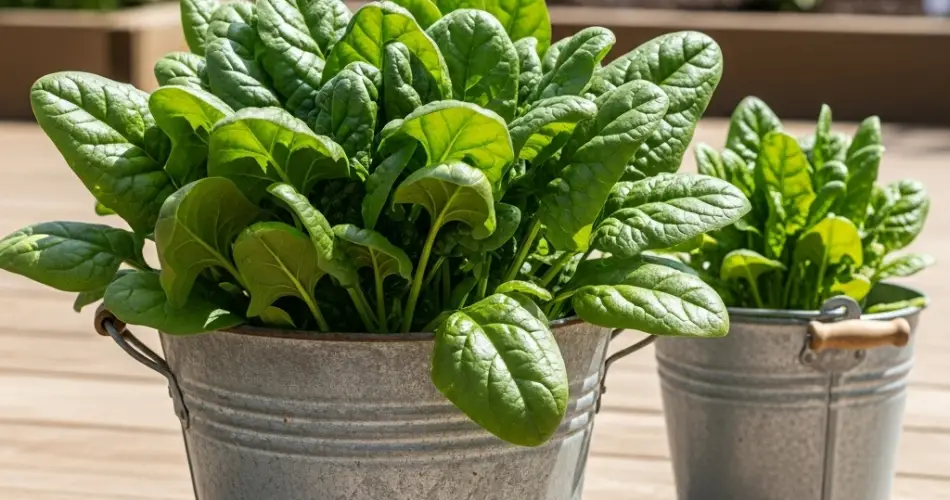
Growing fresh spinach at home is simple, even in urban environments, when using buckets for container gardening. This method allows gardeners to control soil quality, watering, and sunlight, producing tender, nutrient-rich leaves efficiently. Bucket gardening is ideal for small patios, balconies, and rooftops, making it easy to enjoy homegrown spinach throughout the season. By understanding proper planting, care, and harvesting techniques, you can achieve a consistent and bountiful yield.
Why Use Buckets for Spinach?
Buckets are an accessible and practical option for growing spinach in limited spaces. They are portable, inexpensive, and provide enough room for root growth. Proper drainage is essential; therefore, buckets should have holes at the bottom to allow excess water to escape. This prevents waterlogged soil, which can lead to root rot and stunted growth. Using light-colored buckets can help keep the soil cool in hot weather, while darker containers may absorb heat and stress the plants.
Selecting the Right Spinach Varieties
Different spinach varieties offer unique growth rates and heat tolerances. Loose-leaf types, such as ‘Bloomsdale’ and ‘Space,’ are particularly suitable for bucket gardening due to their fast growth and continuous harvest potential. Heat-tolerant varieties are ideal for warmer months, as they resist bolting and maintain tender, flavorful leaves.
Preparing the Soil
Spinach thrives in fertile, well-draining soil. A potting mix combined with compost or organic matter provides essential nutrients and retains adequate moisture. Incorporating perlite or coarse sand improves aeration and prevents soil compaction, ensuring healthy root development.
Fill the bucket approximately 1–2 inches below the rim to allow space for watering and mulching. A slightly acidic to neutral soil pH of 6.0–7.0 promotes nutrient uptake and robust growth.
Planting Spinach in Buckets
Spinach can be grown from seeds or seedlings. For seeds, plant them about ½ inch deep and space them roughly 2 inches apart. Once seedlings reach 3–4 inches tall, thin them to 3–4 inches apart to prevent overcrowding, allowing adequate airflow and sunlight exposure.
When using seedlings, gently transplant them into the prepared soil, ensuring the roots are covered and soil is lightly compacted around the base. Water immediately to settle the soil and reduce transplant shock.
Watering and Moisture Management
Spinach requires consistent moisture, especially in containers where soil can dry out quickly. Keep the soil evenly moist but avoid overwatering, which can lead to root rot and yellowing leaves. Watering in the morning is ideal, as it allows leaves to dry throughout the day, reducing the risk of fungal diseases.
Using a watering can or drip irrigation ensures even water distribution. Mulching with straw or shredded leaves helps retain soil moisture, maintain cooler temperatures, and minimize evaporation.
Light and Temperature Considerations
Spinach is a cool-season crop, thriving in temperatures between 50–70°F (10–21°C). Place your buckets in a location that receives full or partial sunlight. Excessive direct sun in hot weather can cause leaves to wilt or bolt, while too little light slows growth.
During warm periods, provide partial shade or move the buckets to a cooler area to maintain crisp, tender leaves. In cooler months, ensure adequate sunlight exposure to support vigorous growth and healthy leaf development.
Fertilization and Ongoing Care
Regular feeding helps spinach grow quickly and remain nutritious. Apply a balanced, water-soluble fertilizer every 2–3 weeks, following package instructions. Avoid over-fertilizing with nitrogen, which can lead to excessive leaf growth and increase susceptibility to pests.
Remove damaged or yellowing leaves promptly to promote healthy growth. Harvesting outer leaves regularly stimulates new growth and prolongs the plant’s productive period, ensuring a continuous supply of fresh greens.
Harvesting Spinach
Spinach can be harvested in stages, starting when the leaves are large enough to eat. Pick outer leaves first, leaving the center intact for continued growth. This “cut-and-come-again” method provides a steady supply of fresh leaves throughout the season.
Regular harvesting encourages the plant to produce more leaves and prevents overcrowding in the bucket. Harvest early in the morning for the crispest, most flavorful leaves.
Benefits of Bucket Gardening for Spinach
Bucket gardening allows urban gardeners to grow fresh, nutrient-rich spinach with minimal space and effort. Containers provide control over soil, drainage, and sunlight, while reducing pest and disease risks. With proper planting, watering, and care, bucket-grown spinach produces multiple harvests of tender, flavorful leaves ideal for salads, cooking, and smoothies.
By following these practical steps—selecting the right bucket and variety, preparing nutrient-rich soil, ensuring consistent water and sunlight, and harvesting correctly—you can transform a small balcony or patio into a productive spinach garden. Bucket gardening makes growing your own fresh greens accessible, convenient, and rewarding.


