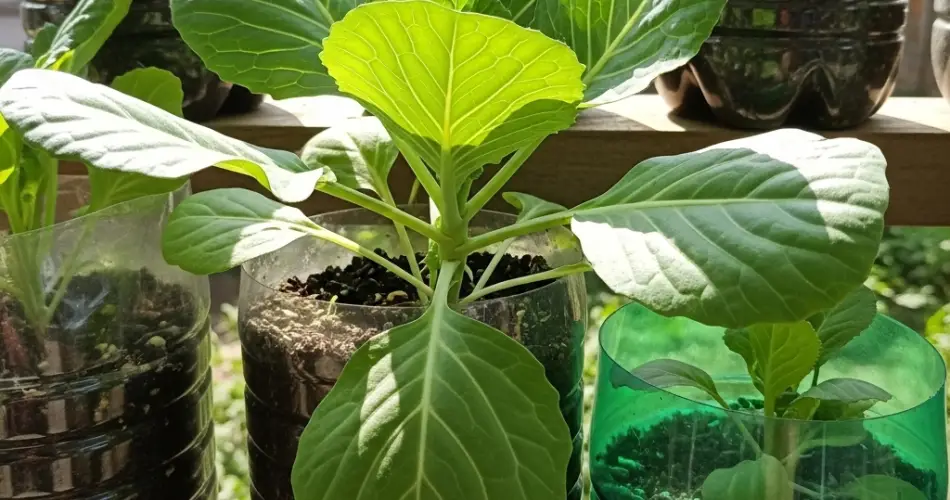
Cabbage is a cool-season vegetable known for its tightly packed leaves, crisp texture, and numerous culinary uses. Traditionally, it’s grown in wide garden beds with plenty of space, but did you know you can also grow cabbage in plastic bottles? With a bit of creativity and care, even small balconies or patios can become home to lush, leafy cabbage heads.
This compact method not only saves space but also gives a second life to used plastic bottles. It’s a sustainable and practical solution for gardeners in urban environments or those without access to traditional garden plots.
Why Grow Cabbage in Bottle Containers?
Plastic bottles are surprisingly effective as plant containers. They’re:
-
Cheap and widely available
-
Compact and portable
-
Ideal for repurposing household waste
-
Easy to modify for drainage and airflow
-
Perfect for small-space and vertical gardening
Growing cabbage in bottles lets you take advantage of vertical space, whether you place the containers on windowsills, hang them along a wall, or align them on a small patio shelf.
What You’ll Need
To get started, gather the following:
-
5-liter plastic bottles or larger
-
A sharp utility knife or strong scissors
-
A drill or heated metal rod for drainage holes
-
Potting soil
-
Compost or aged manure
-
Cabbage seeds or seedlings (compact or early-maturing varieties)
-
Watering can or spray bottle
-
String, wire, or shelves for arranging your bottles
-
Optional: dark fabric or paint to block sunlight from clear bottles
Preparing the Bottles
-
Clean Thoroughly
Rinse the bottles with water and remove any labels. Let them dry completely before use. -
Create an Access Window
Cut a wide rectangular flap on one side of each bottle. This window will serve as the planting and maintenance opening. -
Add Drainage Holes
Use a drill or heated nail to make several holes at the bottom of the bottle. This prevents excess water from collecting and helps avoid root rot. -
Optional: Light Shielding
If your bottles are transparent, paint the outside or wrap them in black cloth to protect cabbage roots from direct sunlight. -
Arrange Your Bottles
Decide if you want to place the bottles upright on shelves, mount them horizontally on walls, or hang them vertically. Make sure they’ll get at least 4–6 hours of sunlight per day.
Choosing the Right Cabbage Varieties
Cabbage is available in many varieties, some of which are better suited to container gardening than others. For bottle containers, choose compact or small-headed varieties such as:
-
Golden Acre
-
Mini Green
-
Caraflex (cone-shaped)
-
Pixie
-
Red Express (for a colorful twist)
These types mature faster and don’t require as much space as full-sized cabbage varieties.
Ideal Soil Mix
Cabbage needs nutrient-rich, well-draining soil to thrive. A balanced mix provides the plant with enough organic matter and air circulation.
Recommended mix:
-
50% quality potting soil
-
30% compost or worm castings
-
20% perlite or coco coir for drainage
Pre-moisten the mix slightly before planting.
Planting Cabbage in Bottles
-
Fill the Bottle
Add soil up to about 2 inches below the bottle’s opening. -
Plant the Seed or Seedling
-
If using seeds: Sow 1–2 seeds about ¼ inch deep. Thin to one strong seedling once they sprout.
-
If using seedlings: Make a small hole, place the root ball, and press the soil gently around it.
-
-
Water Gently
Water the plant thoroughly but avoid soaking. Maintain consistent moisture, especially during the early stages of growth. -
Position for Sunlight
Place your containers where they will receive morning or early afternoon sun. Avoid intense midday heat if temperatures are high, as cabbage prefers cooler weather.
Ongoing Care
-
Watering: Keep the soil consistently moist but not soggy. Bottles can dry out quickly, so check daily.
-
Fertilizing: Feed the plant with diluted compost tea or a nitrogen-rich organic fertilizer every 2–3 weeks.
-
Pest Control: Watch for cabbage worms and aphids. Use neem oil or a mild soap solution as needed. Physical barriers like mesh covers also work well.
Harvesting
Cabbage takes about 60 to 90 days to mature, depending on the variety. You’ll know it’s ready when the head feels firm and compact.
To harvest:
-
Use a clean, sharp knife to cut the head at the base.
-
Leave the outer leaves and stem if you’d like a smaller second crop to regrow.
After harvesting, remove old roots and refresh the soil if you plan to replant in the same bottle.
Reusing the Bottles
Clean the containers and remove any root debris before reusing. You can grow another cabbage or rotate with lettuce, herbs, or radishes to keep your mini garden producing throughout the year.
Grow Big Flavor in Small Spaces
Bottle gardening is an excellent way to grow fresh cabbage, even if you’re working with just a balcony or patio. This method helps reduce waste, maximizes small spaces, and delivers a rewarding harvest of healthy, crisp cabbage. With the right setup, soil, and care, you’ll enjoy leafy success in even the most compact corners of your home.


