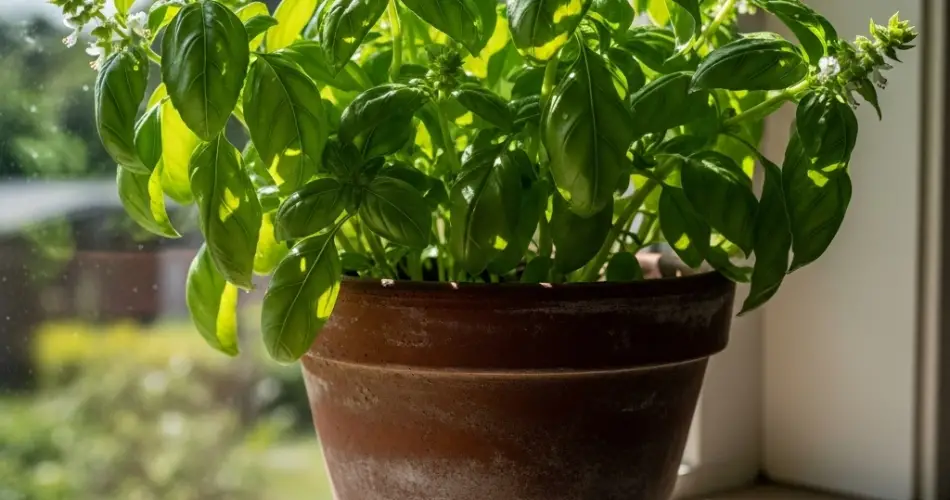
Basil is a beloved herb in kitchens worldwide, prized for its aromatic leaves and versatile use in cooking. Whether you’re a seasoned gardener or a beginner, growing basil in pots is an excellent way to have fresh leaves at your fingertips — even if space is limited. This guide will show you how to cultivate healthy, flavorful basil plants in containers, making the most of your balcony, windowsill, or small garden.
Why Grow Basil in Pots?
Growing basil in pots offers several advantages, especially for those with limited outdoor space:
-
Compact and Portable: Pots can fit on small patios, balconies, or kitchen windowsills.
-
Control Over Soil: Container gardening lets you customize soil type and drainage to suit basil’s needs.
-
Pest Management: Growing in pots reduces the risk of soil-borne diseases and pests.
-
Extended Growing Season: Pots can be moved indoors when the weather cools, extending your harvest.
Choosing the Right Pot
The first step to successful basil growing is selecting an appropriate pot:
-
Size: Choose a container at least 6-8 inches deep and wide to give roots room to grow.
-
Material: Terracotta pots are breathable and help prevent waterlogging, but plastic pots retain moisture longer.
-
Drainage: Make sure the pot has drainage holes to avoid water accumulation, which can cause root rot.
You can use single pots or a series of smaller pots arranged together for a compact herb garden.
Selecting Basil Varieties for Pots
Basil comes in many varieties, each with unique flavors and growth habits. For container growing, consider:
-
Genovese Basil: Classic sweet basil ideal for Italian dishes.
-
Lemon Basil: Adds a citrusy twist to salads and drinks.
-
Thai Basil: Has a spicy, licorice-like flavor, great for Asian cuisine.
-
Purple Basil: Adds color and a mild clove flavor.
Choose varieties that suit your culinary preferences and space constraints.
Soil and Fertilizing
Basil prefers well-draining, nutrient-rich soil. Use a high-quality potting mix designed for herbs or vegetables. Avoid garden soil, which can compact in pots and hinder drainage.
-
Soil Mix: A mix with peat moss, compost, and perlite or vermiculite works well.
-
Fertilizer: Feed basil every 4-6 weeks with a balanced, water-soluble fertilizer diluted to half strength. Over-fertilizing can reduce leaf flavor.
Planting Basil
You can start basil from seeds or young seedlings:
-
From Seeds: Sow seeds about ¼ inch deep in moist soil. Keep soil consistently moist until seedlings emerge, typically within 7-14 days.
-
From Seedlings: Transplant small plants into pots, spacing them about 6-8 inches apart to allow air circulation.
Planting multiple basil plants in a single larger pot can create a lush, space-efficient herb patch.
Caring for Potted Basil
Basil thrives with proper light, watering, and pruning.
-
Light: Basil needs 6-8 hours of sunlight daily. A sunny windowsill or balcony spot works best. If growing indoors with less light, consider a grow light to supplement.
-
Watering: Keep the soil moist but not soggy. Water when the top inch of soil feels dry. Avoid overhead watering to prevent fungal diseases.
-
Temperature: Basil prefers warm temperatures between 70-85°F (21-29°C). Protect from cold drafts and sudden temperature drops.
Pruning and Harvesting
Regular pruning encourages bushier plants and prevents flowering, which can make leaves bitter.
-
Pinching: Once plants reach about 6 inches tall, pinch off the top sets of leaves regularly to promote branching.
-
Harvesting: Pick leaves starting from the top, harvesting no more than one-third of the plant at a time to keep it healthy.
-
Flower Removal: Remove flower buds as they appear to focus the plant’s energy on leaf production.
Maximizing Space with Vertical and Hanging Pots
If floor or tabletop space is tight, consider vertical gardening options:
-
Stacked Pots: Use tiered plant stands or shelves to stack pots vertically.
-
Hanging Planters: Suspend pots from hooks or ceiling mounts to free up surface area.
-
Wall-mounted Planters: Attach small pots or pockets to walls or fences for a living herb wall.
These techniques let you grow multiple basil plants without sacrificing valuable space.
Pest and Disease Management
Basil in pots is less prone to pests but watch for:
-
Aphids and Whiteflies: Use a gentle spray of water or insecticidal soap to control infestations.
-
Fungal Issues: Good airflow and watering at the soil level help prevent powdery mildew and root rot.
If problems persist, consider repotting with fresh soil.
Extending Basil’s Life Indoors
Basil is an annual plant but can live longer indoors with care:
-
Bring Plants Inside: Before the first frost, move pots indoors to a sunny window.
-
Supplement Light: Use grow lights if natural light is insufficient.
-
Reduce Watering: Basil grows slower indoors, so water less frequently.
This way, you can enjoy fresh basil year-round.
Final Tips
-
Rotate pots occasionally to ensure even sunlight exposure.
-
Use a saucer under pots to catch excess water and protect surfaces.
-
Experiment with companion plants like oregano or parsley to create a mini kitchen garden.
By growing basil in pots, you can enjoy fresh, aromatic leaves even in limited spaces. With the right pot, soil, and care, your basil plants will flourish, enhancing your cooking and bringing a fragrant touch of greenery to your home.