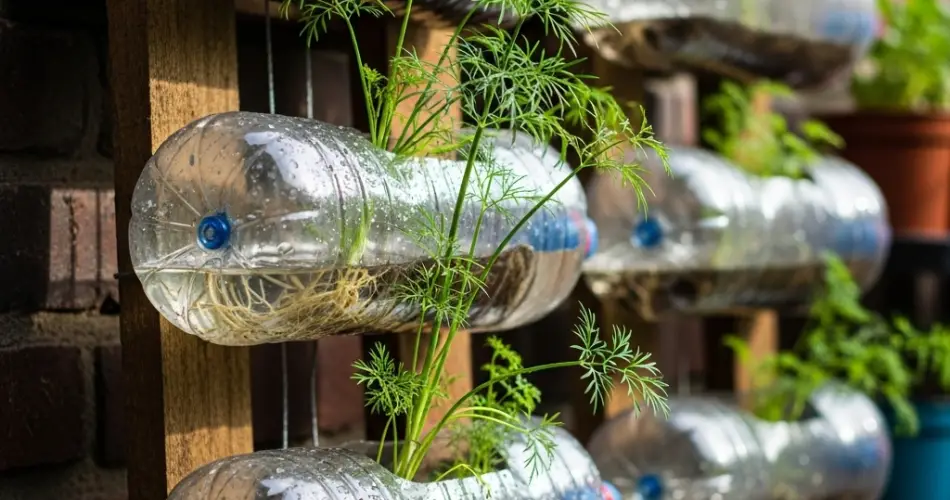
Dill is a fragrant and flavorful herb widely used in cooking, especially in pickling, salads, soups, and fish dishes. For gardeners interested in sustainable and zero-waste practices, growing dill using recycled materials is both environmentally friendly and practical. This method reduces plastic waste while allowing you to cultivate fresh, aromatic dill right at home.
This article outlines how to grow dill sustainably using recycled containers, offering a zero-waste gardening approach that’s perfect for beginners and seasoned gardeners alike.
Why Grow Dill with Recycled Materials?
Gardening with recycled containers helps address the growing problem of plastic pollution by repurposing materials that would otherwise end up in landfills or oceans. Besides environmental benefits, recycled gardening:
-
Saves money by eliminating the need to buy new pots or planters.
-
Encourages creativity and resourcefulness.
-
Supports urban or small-space gardening by making use of available materials.
-
Promotes awareness of sustainable living practices.
Choosing the Right Containers
Many household items can be recycled for gardening purposes. Some excellent container options for growing dill include:
-
Plastic bottles (1 or 2 liters)
-
Empty yogurt or food containers
-
Tin cans (with drainage holes added)
-
Used jars or glass containers
-
Old buckets or basins
Plastic bottles are particularly popular because they can be easily modified, are lightweight, and transparent—allowing you to monitor soil moisture and root health.
Preparing Your Recycled Container
If using plastic bottles, follow these steps:
-
Thoroughly clean and dry the bottle.
-
Cut the bottle horizontally about one-third from the top.
-
Create several drainage holes in the bottom part to prevent waterlogging.
-
Use the top part inverted as a mini greenhouse or watering funnel, if desired.
For other containers like cans or jars, ensure they have adequate drainage holes to avoid root rot.
Soil and Planting
Dill prefers well-draining, nutrient-rich soil. Use organic potting mix or a blend of compost and garden soil.
Fill your prepared container with moist soil, leaving about an inch from the rim.
Sow dill seeds thinly across the soil surface and cover lightly with a thin layer of soil (around 0.5 cm or ¼ inch).
Water gently but thoroughly to settle the seeds.
Placement and Light Requirements
Dill thrives in full sun, needing at least 6 hours of direct sunlight each day.
Place your container in a bright, sunny location such as a balcony, windowsill, or garden.
Rotate containers occasionally to ensure even growth and prevent plants from leaning toward the light.
Watering and Care
Keep the soil consistently moist, especially during germination, but avoid overwatering.
Use a spray bottle to mist seedlings or water gently at the soil base to prevent disturbing seeds.
Once established, dill is moderately drought tolerant, so allow the soil surface to dry slightly between waterings.
Thin seedlings once they reach a few inches tall, spacing them about 15 to 20 cm (6 to 8 inches) apart to promote healthy growth.
Harvesting Dill
Dill leaves can be harvested when plants reach about 15 to 20 cm (6 to 8 inches) tall.
Use scissors to snip leaves or small sprigs as needed, cutting above a leaf node to encourage new growth.
Harvest regularly to promote bushier plants and prevent premature flowering, which can reduce leaf production.
Dill seeds can also be harvested once flowers mature and dry if you wish to save seeds for future planting or use in cooking.
Tips for Successful Zero-Waste Dill Gardening
-
Save and reuse your own seeds to maintain a sustainable cycle.
-
Avoid chemical fertilizers; use compost or organic amendments instead.
-
Reuse water when possible, such as collected rainwater or leftover water from cooking vegetables.
-
Combine recycled containers with natural mulches to conserve moisture.
-
Use natural pest control methods, like companion planting or insecticidal soaps, instead of synthetic pesticides.
Benefits of Zero-Waste Dill Gardening
-
Environmental Impact: Reduces plastic waste and landfill contributions.
-
Cost Savings: Eliminates the need to buy new gardening supplies.
-
Convenience: Allows growing fresh herbs in small spaces.
-
Health: Provides access to fresh, organic herbs free of chemicals.
-
Educational: Encourages sustainable living and gardening skills.
Troubleshooting Common Issues
-
Poor Germination: Ensure seeds are fresh and soil is kept consistently moist.
-
Leggy Growth: Provide adequate light to prevent weak, stretched plants.
-
Yellowing Leaves: Often a sign of overwatering or nutrient deficiency; adjust watering and consider organic fertilization.
-
Pests: Watch for aphids or caterpillars; remove by hand or treat with natural remedies.
Conclusion
Growing dill using recycled containers is an inspiring way to garden sustainably while reducing your ecological footprint. This zero-waste gardening approach makes the most of materials already available in your home, transforming them into productive planters that nurture healthy, flavorful dill.
By following these simple steps—from selecting containers and preparing soil to planting, caring, and harvesting—you can enjoy a thriving herb garden without adding to plastic pollution.
Embracing recycled gardening practices supports a healthier planet and connects you more deeply with the food you grow and enjoy.


