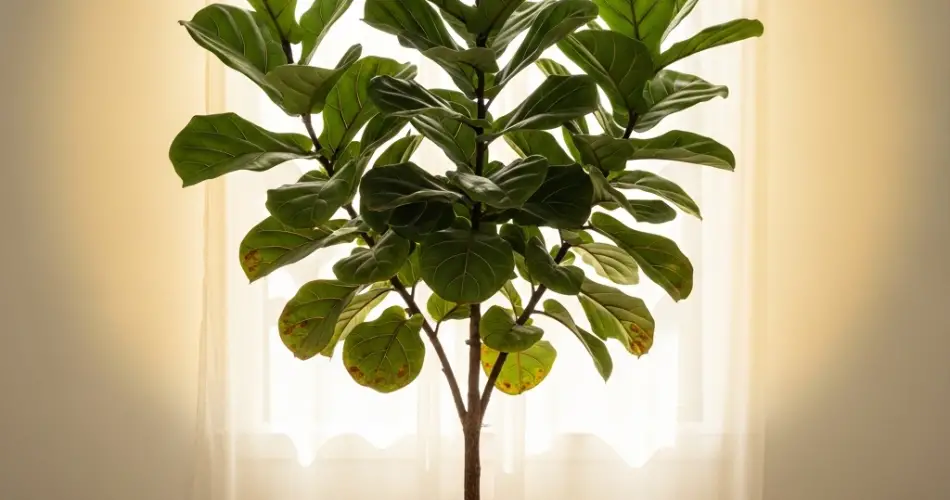
The fiddle leaf fig (Ficus lyrata) is admired for its broad, glossy leaves and ability to transform a room into a green sanctuary. Yet, behind the beauty of its towering foliage lies the key to its survival—its roots. While the leaves get all the attention, the roots are the foundation of health and growth. If the root system struggles, the plant quickly shows distress through yellowing, browning, or dropping leaves. One of the most important aspects of fiddle leaf fig care is providing the right soil and ensuring proper drainage.
This guide reveals the soil and drainage secrets that protect your fiddle leaf fig’s roots and help it thrive for years.
Why Soil and Drainage Matter
Roots are responsible for absorbing water, oxygen, and nutrients. If the soil retains too much water, roots suffocate, rot, and fail to support the plant. Conversely, if the soil drains too quickly, the plant may dry out before it can take in what it needs. Achieving balance is crucial.
Fiddle leaf figs naturally grow in well-aerated environments where water drains freely but moisture is retained just enough for steady nourishment. Replicating this balance indoors requires choosing the right soil mix and potting setup.
The Ideal Soil Mix for Fiddle Leaf Figs
Regular garden soil is too dense for indoor fiddle leaf figs. It compacts easily, reducing airflow to the roots and holding water for too long. Instead, a customized soil blend works best. An ideal mix should be light, airy, and well-draining.
A good formula includes:
-
High-quality potting soil – Serves as the base, providing nutrients and some moisture retention.
-
Perlite or pumice – Adds air pockets to the soil, preventing compaction and improving drainage.
-
Pine bark or orchid bark – Encourages airflow around roots and mimics natural growing conditions.
-
A touch of sand or coarse material – Helps water move through the mix, reducing the risk of soggy roots.
The combination ensures roots stay both hydrated and oxygenated. Pre-mixed “indoor plant” soils can work as long as they contain these elements, but creating your own blend gives more control.
Choosing the Right Pot
Even the best soil mix cannot save a fiddle leaf fig if the pot lacks proper drainage. Always choose a container with drainage holes at the bottom. Without them, excess water collects and causes root rot.
For decorative pots without holes, place your fiddle leaf fig in a plastic grow pot with drainage and then set it inside the decorative container. After watering, remove excess water from the outer pot to prevent the roots from sitting in it.
The size of the pot also matters. A container that is too large holds excess soil, which stays wet for too long. Ideally, choose a pot only a couple of inches wider than the current root ball. This allows for growth without overwhelming the plant with too much moisture.
The Role of Drainage Layers
Some gardeners add rocks or pebbles at the bottom of pots to improve drainage. While this can help prevent soil from clogging the holes, it does not replace a proper soil mix. In fact, water tends to pool just above the rock layer, which can still lead to root issues. The better solution is a well-draining soil paired with a functional pot.
Signs of Poor Soil or Drainage
Understanding the warning signs can help you take action before root damage becomes severe. Watch for:
-
Yellowing leaves – Often linked to excess water retention.
-
Brown, crispy edges – May signal inconsistent watering or soil that drains too quickly.
-
Mushy stems or roots – A classic sign of root rot caused by poor drainage.
-
Slow growth – Roots struggling in compact or oxygen-deprived soil cannot support healthy development.
If you notice these symptoms, it may be time to repot your fiddle leaf fig with a better soil mix.
Repotting for Stronger Roots
Repotting every 1–2 years helps refresh the soil and gives roots more space. When repotting:
-
Gently remove the plant from its current container.
-
Inspect the roots. Trim away any dark, mushy, or rotten sections.
-
Place fresh, well-draining soil in the new pot.
-
Position the plant so it sits at the same depth as before.
-
Fill in around the roots with soil, pressing lightly but not compacting it.
This process revitalizes the plant and prevents long-term soil-related issues.
Watering With Drainage in Mind
Even with the perfect soil, watering habits play a role in root health. The best method is the soak-and-dry approach. Water thoroughly until liquid drains from the bottom, then wait until the top 2–3 inches of soil are dry before watering again. This prevents the extremes of overwatering and underwatering.
Avoid letting the plant sit in collected water, as this negates the benefits of good soil and drainage.
Final Thoughts
The secret to a healthy fiddle leaf fig lies below the surface. With the right soil mix, a well-draining pot, and consistent watering practices, you can create the perfect environment for strong, thriving roots. When the roots are healthy, the plant rewards you with lush, glossy leaves and steady growth.
By focusing on soil and drainage, you not only prevent common problems like root rot but also give your fiddle leaf fig the foundation it needs to become the stunning centerpiece of your home.


