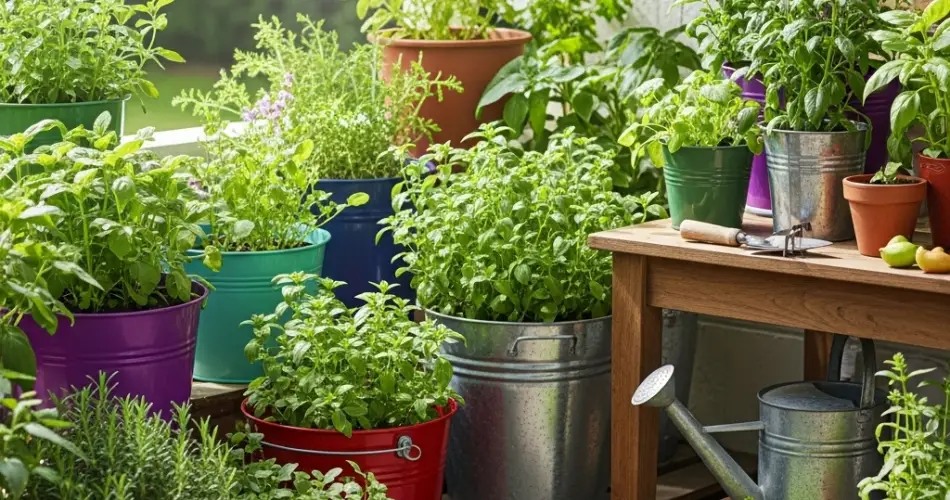
Gardening doesn’t have to be complicated or expensive to be productive. With a few clever techniques and time-saving hacks, even the busiest home growers can enjoy thriving plants, bigger harvests, and fewer headaches. Whether you’re tending a small patio garden, raised beds, or a full backyard plot, these smart gardening tricks can help you grow more efficiently and sustainably.
Here are essential tips and techniques that every home gardener—new or experienced—should know.
1. Start with the Right Soil
Healthy soil is the foundation of every successful garden. Instead of relying solely on synthetic fertilizers, improve your soil naturally with organic matter.
-
Add compost regularly to enhance texture, improve drainage, and boost microbial life.
-
Use worm castings or leaf mold to enrich the soil and promote healthy root development.
-
Test your soil pH and adjust it as needed for different plants. Most vegetables prefer a slightly acidic to neutral pH (6.0–7.0).
Tip: Mix in coffee grounds and crushed eggshells for an easy DIY soil amendment rich in nitrogen and calcium.
2. Mulch for Moisture and Weed Control
Mulching is a simple yet powerful technique that every gardener should use.
-
Retains soil moisture, reducing the need for frequent watering.
-
Suppresses weeds by blocking sunlight from reaching weed seeds.
-
Regulates soil temperature, keeping roots cool in summer and warm in winter.
-
Adds nutrients when using organic mulch like straw, leaves, or grass clippings.
Apply mulch around the base of your plants, leaving a small gap around the stem to prevent rot.
3. Grow Vertically to Save Space
Running out of room? Try vertical gardening. It’s a smart way to maximize limited space while improving airflow and access to sunlight.
-
Use trellises, hanging baskets, or vertical planters for crops like tomatoes, cucumbers, beans, and strawberries.
-
Wall-mounted planters or pallets are great for herbs, lettuce, and succulents.
-
Vertical growing also helps reduce pest issues by keeping plants off the ground.
Tip: Train vining crops upward early while they’re still flexible.
4. Water Efficiently
Overwatering is a common mistake, but underwatering can be just as damaging. Smart watering means finding the right balance.
-
Water early in the morning or late in the afternoon to reduce evaporation.
-
Use drip irrigation systems or soaker hoses to deliver moisture directly to the root zone.
-
Install rain barrels to collect water and lower your utility bill.
-
Check soil moisture by sticking your finger into the soil—if it’s dry 1–2 inches down, it’s time to water.
Avoid wetting the foliage to help prevent fungal diseases.
5. Companion Plant for Natural Pest Control
Many plants grow better together. Companion planting is an age-old technique that helps repel pests, attract beneficial insects, and boost productivity.
-
Basil and tomatoes: Basil repels pests and enhances tomato flavor.
-
Marigolds and vegetables: Marigolds deter nematodes and aphids.
-
Beans and corn: Beans fix nitrogen in the soil, benefiting the corn.
-
Carrots and onions: Their scents confuse and deter pests that target the other.
Tip: Mix flowers and herbs throughout your garden to promote a balanced ecosystem.
6. Reuse and Recycle in the Garden
Save money and reduce waste by repurposing household items for gardening:
-
Use egg cartons or yogurt cups as seed-starting trays.
-
Turn plastic bottles into mini greenhouses or drip irrigators.
-
Repurpose old drawers, crates, or buckets into planter boxes.
-
Use newspapers or cardboard under mulch to block weeds.
These simple DIY solutions can be surprisingly effective—and environmentally friendly.
7. Practice Crop Rotation
To prevent soil depletion and reduce pest buildup, rotate your crops each season.
-
Follow a sequence like: leafy greens → fruiting crops → root vegetables → legumes.
-
Avoid planting the same crop family in the same spot for consecutive years.
Crop rotation helps maintain soil fertility and breaks disease cycles naturally.
8. Use Natural Fertilizers
Chemical fertilizers may offer a quick fix, but natural options feed your soil as well as your plants.
-
Banana peels add potassium and phosphorus—bury them near flowering plants.
-
Fish emulsion is a high-nitrogen booster perfect for leafy greens.
-
Compost tea gives plants a gentle, nutrient-rich drink.
-
Epsom salt provides magnesium and sulfur—great for tomatoes and peppers.
Apply sparingly and observe how your plants respond.
9. Keep a Garden Journal
Tracking your gardening efforts helps you improve year after year.
-
Note planting dates, weather patterns, harvest times, pest issues, and successes.
-
Take photos of your garden layout and plant progress.
-
Use your journal to plan rotations, repeat successful combos, and avoid past mistakes.
Even simple notes can help you make smarter decisions in future seasons.
Final Thoughts
Smart gardening is all about working with nature, staying resourceful, and learning from your own experiences. By applying these time-tested tricks—from improving soil to growing vertically and using natural pest control—you can create a thriving, productive home garden with less effort and more satisfaction.
Whether you’re a beginner or a seasoned grower, these strategies will help you save time, reduce waste, and grow a healthier, more abundant garden right at home.


