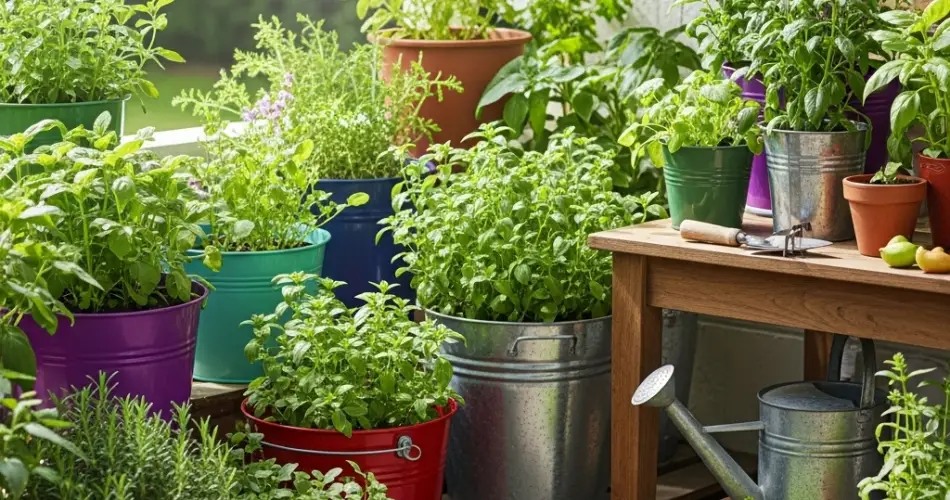
Creating a beautiful and productive backyard garden doesn’t have to come at the expense of the environment. In fact, with a few mindful choices, you can turn your backyard into an eco-friendly space that supports biodiversity, conserves resources, and produces healthy, chemical-free plants. Sustainable gardening not only benefits the planet—it also saves money, reduces waste, and creates a healthier outdoor space for you and your family.
Here are some practical and effective eco-friendly gardening tips to help you build a greener backyard garden.
1. Compost Your Kitchen and Garden Waste
One of the easiest ways to garden sustainably is by composting. Turning food scraps and yard waste into compost reduces landfill waste and gives you a nutrient-rich soil amendment.
-
Use fruit and vegetable peels, eggshells, coffee grounds, grass clippings, and dried leaves.
-
Avoid adding meat, dairy, and oily food waste to your compost pile.
-
Turn your compost regularly to speed up decomposition and eliminate odors.
Compost improves soil structure, boosts plant health, and reduces the need for chemical fertilizers.
2. Choose Native and Climate-Appropriate Plants
Selecting plants that are native to your region or adapted to your climate reduces the need for excess watering, pesticides, and fertilizers.
-
Native plants are naturally resistant to local pests and diseases.
-
They support local pollinators, birds, and beneficial insects.
-
Look for drought-tolerant varieties if you live in a dry area.
By working with nature instead of against it, you create a more resilient and low-maintenance garden.
3. Practice Organic Gardening
Organic gardening avoids synthetic chemicals and instead relies on natural methods to nourish plants and control pests.
-
Use compost and natural fertilizers like fish emulsion, seaweed extract, or worm castings.
-
Rotate crops and use cover crops to maintain soil fertility.
-
Try companion planting—such as basil with tomatoes or marigolds with beans—to deter pests naturally.
Organic methods create a healthier ecosystem and produce cleaner, chemical-free harvests.
4. Mulch to Save Water and Suppress Weeds
Mulching is one of the most beneficial eco-friendly practices for your garden. It helps conserve moisture, prevents weed growth, and regulates soil temperature.
-
Use organic mulches like straw, shredded leaves, grass clippings, or bark chips.
-
Apply 2–3 inches around plants, keeping it a few inches away from stems.
-
Mulch also breaks down over time, improving soil health naturally.
This simple step cuts down on water usage and reduces the need for herbicides.
5. Collect and Reuse Rainwater
Water is a precious resource, and using rainwater is a sustainable way to keep your garden hydrated.
-
Set up a rain barrel under a gutter or roof edge to collect runoff.
-
Use a screen cover to prevent debris and mosquito breeding.
-
Water your garden early in the morning or late in the evening to reduce evaporation.
Rainwater is free, eco-friendly, and often better for plants than tap water, which can contain chlorine or other chemicals.
6. Grow Your Own Food
Growing your own fruits, vegetables, and herbs reduces your carbon footprint and reliance on store-bought produce.
-
Even a small garden can produce leafy greens, tomatoes, peppers, carrots, or herbs.
-
Use vertical gardening, raised beds, or containers to maximize space.
-
Harvest and eat seasonal produce for the freshest, most sustainable meals.
Homegrown food is tastier, healthier, and more eco-conscious.
7. Encourage Pollinators and Beneficial Insects
Pollinators like bees, butterflies, and hoverflies are essential for fruit and seed production. Supporting them helps keep your garden thriving.
-
Plant nectar-rich flowers like lavender, zinnias, echinacea, and sunflowers.
-
Avoid pesticides and insecticides that harm pollinators.
-
Provide water sources and small habitats, such as bee hotels or undisturbed patches of soil.
Welcoming beneficial insects also helps control pest populations naturally.
8. Recycle and Reuse in the Garden
You don’t need to buy new materials for every gardening task. Look for ways to reuse and repurpose items instead.
-
Use old buckets, crates, or containers as planters.
-
Turn broken tools into garden art or markers.
-
Reuse plastic trays, yogurt cups, or egg cartons for seed starting.
This not only saves money but also reduces your environmental impact.
9. Avoid Peat-Based Products
Peat is commonly used in potting mixes, but harvesting peat moss contributes to the destruction of important carbon-storing peat bogs.
-
Choose peat-free soil mixes or make your own with compost, coconut coir, and perlite.
-
Support sustainable suppliers who prioritize environmentally responsible practices.
Opting for alternatives helps protect delicate ecosystems and promotes responsible gardening.
Final Thoughts
Eco-friendly gardening is all about working with nature, not against it. By using sustainable practices like composting, conserving water, supporting pollinators, and growing organically, you can build a thriving backyard garden that’s good for both your health and the environment.
With a few changes and mindful choices, your backyard can become more than just a garden—it can be a small but powerful contribution to a healthier planet. Whether you’re growing flowers, vegetables, or herbs, these eco-conscious tips will help you garden smarter, greener, and more responsibly.


