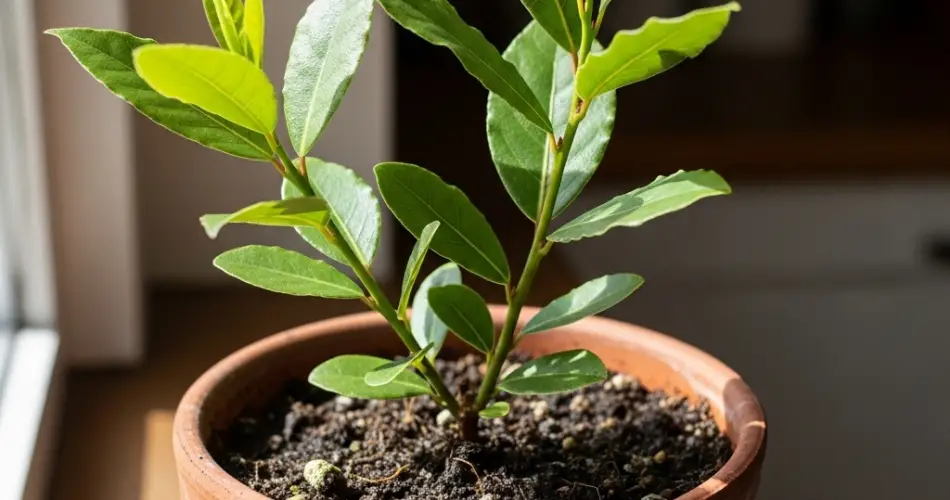
Bay leaves are a staple in kitchens worldwide, prized for their subtle, aromatic flavor that enhances soups, stews, sauces, and roasted dishes. While commonly purchased dried from stores, growing bay leaves at home ensures a constant supply of fresh, aromatic leaves. For urban dwellers or anyone with limited space, small-space bay leaf gardening in the kitchen is a practical and rewarding solution. With the right containers, soil, and care, bay leaves can thrive indoors and bring a touch of greenery to your kitchen.
Why Grow Bay Leaves Indoors
Growing bay leaves indoors offers several advantages:
-
Year-Round Access: Enjoy fresh leaves whenever needed, regardless of season.
-
Space Efficiency: Perfect for windowsills, counters, or compact kitchen gardens.
-
Convenience: Harvest leaves directly while cooking, ensuring maximum flavor.
-
Aesthetic Appeal: Bay plants add natural greenery and fragrance to your kitchen.
Indoor cultivation also allows you to control soil quality, watering, and light, resulting in healthier plants and more flavorful leaves.
Choosing the Right Bay Plant
Bay leaves come from the bay laurel tree (Laurus nobilis). For indoor gardening, select a dwarf or young bay laurel plant, which is better suited to containers and limited space. Young plants are easier to manage and adapt more quickly to indoor conditions than mature outdoor trees. You can start with nursery seedlings or propagate your own bay plant from cuttings.
Selecting Containers and Soil
Bay laurel thrives in deep containers with excellent drainage. Choose pots at least 10–12 inches in diameter with drainage holes to prevent waterlogging.
Use a well-draining potting mix enriched with compost or organic matter. A mixture of potting soil, sand, and perlite works well. Avoid heavy garden soils that retain too much moisture, as bay plants are sensitive to root rot.
Positioning for Light
Bay laurel requires bright light to grow healthy leaves. Place your container near a south- or west-facing window that receives 6–8 hours of sunlight daily. If natural light is limited, supplement with a full-spectrum LED grow light for 6–8 hours per day. Rotate the plant periodically to ensure even growth and prevent leaning toward the light source.
Watering and General Care
Proper watering and care are key to maintaining a healthy indoor bay plant:
-
Watering: Keep the soil consistently moist but not soggy. Allow the top inch of soil to dry slightly between waterings.
-
Humidity: Bay leaves prefer moderate humidity. If your kitchen is very dry, mist the plant occasionally or place a small tray of water nearby.
-
Fertilization: Feed the plant every 4–6 weeks with a balanced, water-soluble fertilizer to promote strong, healthy foliage.
-
Pruning: Regularly trim stems to maintain the plant’s shape and encourage bushier growth. Remove yellowing or damaged leaves to prevent disease.
Harvesting Bay Leaves
Bay leaves can be harvested once the plant is well-established. Select mature leaves for the best flavor and aroma. Use scissors or pruning shears to cut leaves individually or trim small branches. Regular harvesting encourages new growth and prevents the plant from becoming leggy.
You can use fresh leaves immediately or dry them for long-term storage. To dry, place leaves on a tray in a warm, ventilated area for several days until fully crisp, then store in an airtight container.
Benefits of Small-Space Bay Leaf Gardening
-
Provides a constant supply of fresh, aromatic leaves for cooking
-
Saves money on store-bought dried bay leaves
-
Adds greenery and natural fragrance to the kitchen
-
Compact enough for apartments and small homes
-
Encourages sustainable and self-sufficient gardening
Final Thoughts
Small-space bay leaf gardening in the kitchen is a simple and practical way to enjoy fresh, aromatic leaves year-round. By selecting a young bay plant, using well-draining soil, providing adequate light, and following proper care, you can cultivate a healthy, thriving bay plant in even the smallest indoor space. Harvesting leaves regularly ensures continuous growth and adds a flavorful touch to your meals. Indoor bay leaf gardening not only supplies fresh herbs for cooking but also enhances your kitchen with greenery and fragrance, making it a beautiful and functional addition to any home.


