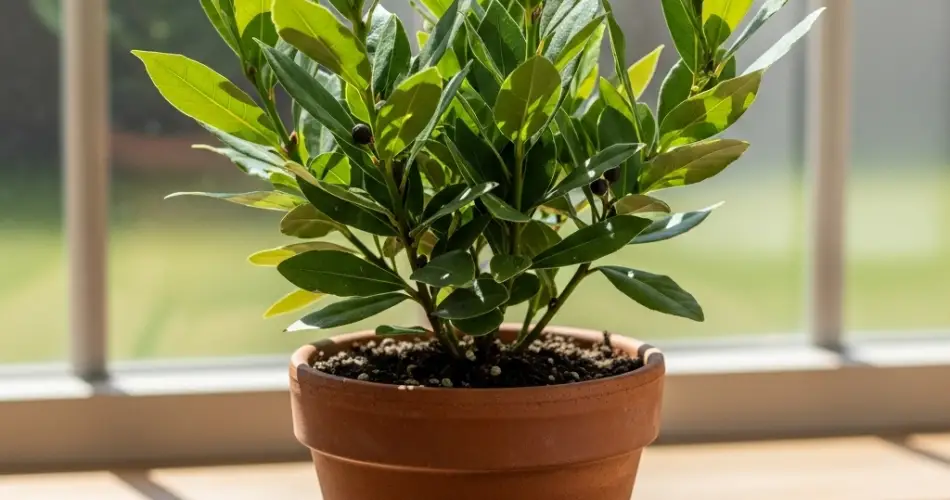
Bay leaves, known for their aromatic and slightly bitter flavor, are an essential ingredient in many classic dishes, from soups and stews to sauces and marinades. While commonly available dried in grocery stores, fresh bay leaves from your own indoor herb garden offer far superior fragrance and flavor. Growing bay laurel (Laurus nobilis) indoors allows you to enjoy a continuous supply of leaves while adding a touch of greenery to your home. With the right care, cultivating bay leaves indoors is straightforward and rewarding.
Choosing the Right Plant
Start with a healthy bay laurel plant. Young plants around 12–18 inches tall are ideal for indoor growth, as they are easy to manage and fit on a kitchen counter or windowsill. When selecting your plant, look for vibrant, glossy leaves and a strong, well-established root system. Avoid plants with yellowing leaves, wilting, or signs of pests.
Selecting a Container and Soil
The right container and soil are critical to the success of indoor bay laurel. Choose a pot with drainage holes to prevent waterlogging, which can lead to root rot. Terracotta or ceramic pots are preferred because they help regulate moisture and prevent soil from staying too wet. Bay laurel prefers a well-draining potting mix; a Mediterranean herb mix or standard potting soil blended with sand or perlite works well. A slightly larger pot than the root ball will allow the plant to grow without becoming root-bound.
Lighting Requirements
Bay laurel thrives in bright light. Place your plant near a south- or west-facing window where it can receive at least six hours of direct sunlight daily. If natural light is insufficient, supplement with a full-spectrum grow light to ensure healthy growth. Rotate the plant periodically so all sides receive light evenly, preventing one-sided growth.
Watering and Humidity
Maintaining proper moisture is crucial. Water your bay laurel when the top inch of soil feels dry, allowing excess water to drain freely. Avoid letting the soil remain soggy, as this can promote root disease. Bay laurel also enjoys moderate humidity. In dry indoor environments, especially during winter, consider using a humidity tray or occasionally misting the leaves to mimic the plant’s natural Mediterranean climate.
Pruning and Care
Regular pruning encourages a compact, bushy shape and promotes healthy new growth. Trim the outer branches to maintain the desired size and remove any yellowing or damaged leaves. Bay laurel grows slowly, so pruning a few times a year is usually sufficient. Fertilize the plant with a balanced, water-soluble fertilizer every two to three months to support steady growth and vibrant foliage.
Harvesting Bay Leaves
One of the main advantages of an indoor bay laurel is the ability to harvest fresh leaves for cooking. Pick mature leaves from the outer branches as needed, but avoid removing more than one-third of the plant at a time to maintain its health. Fresh leaves can be used immediately in recipes or dried for future use. Drying bay leaves intensifies their flavor and allows them to be stored for months, making your indoor herb garden a year-round culinary resource.
Pest Prevention
Indoor bay laurel can occasionally attract pests such as spider mites or scale insects. Regularly inspect the plant, particularly the undersides of leaves, for signs of infestation. If pests appear, wipe the leaves with a damp cloth or use a mild insecticidal soap. Maintaining good air circulation and avoiding overwatering also helps reduce the risk of pests.
Benefits of Indoor Cultivation
Growing bay leaves indoors offers multiple benefits. Fresh leaves have a more intense flavor and aroma than store-bought alternatives. The plant itself adds a decorative touch to your kitchen or living space with its glossy, dark green foliage. Additionally, caring for indoor herbs can be a relaxing and satisfying activity, providing a small but meaningful connection to nature.
Creating a Culinary Herb Corner
Bay laurel pairs beautifully with other indoor herbs such as rosemary, thyme, and oregano. Creating a small herb corner on a kitchen counter or windowsill allows you to have multiple fresh ingredients within arm’s reach while cooking. Grouping herbs with similar light and watering needs ensures they all thrive together, creating a lush, green focal point in your home.
Conclusion
An indoor bay laurel plant is more than just a decorative herb—it’s a culinary companion that elevates your cooking and enriches your indoor garden. With the right container, soil, lighting, and care, your bay leaves will thrive, providing fresh, aromatic additions to your favorite dishes. Cultivating bay laurel indoors is a simple and rewarding way to bring Mediterranean flavors and greenery into your home, creating a sustainable source of fresh herbs and a charming, fragrant kitchen environment.


