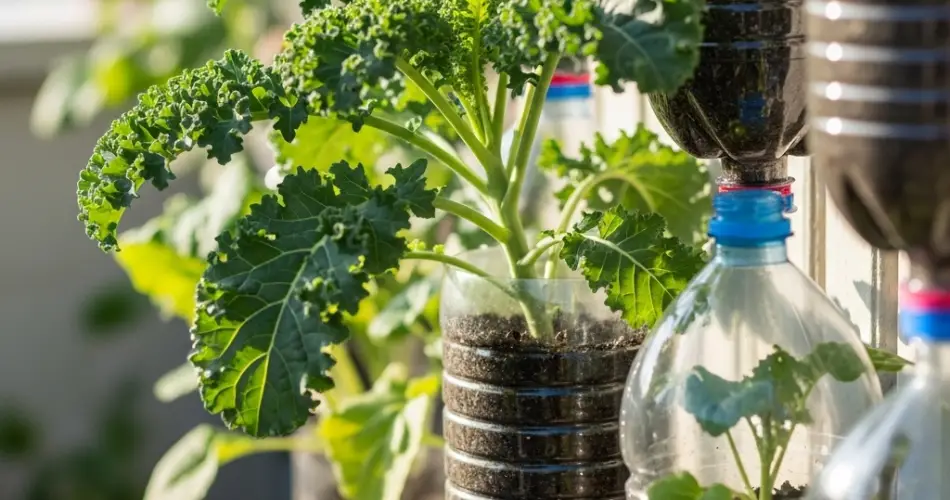
You don’t need a garden or even a large yard to grow your own superfoods. With just a small pot and a bit of sunlight, you can cultivate kale—a powerhouse leafy green known for its impressive nutritional value. Kale grows well in containers, making it perfect for small balconies, patios, or windowsills. Whether you’re a beginner gardener or simply short on space, growing kale in pots is an easy and rewarding way to boost your health and green your home.
This guide will show you everything you need to know to grow vibrant, healthy kale in small containers, from selecting the right pot to harvesting your leaves for salads, smoothies, or sautés.
Why Grow Kale in Containers?
Kale is one of the most nutrient-rich vegetables you can grow. Packed with vitamins A, C, and K, as well as calcium, iron, and antioxidants, kale supports immune function, bone health, and heart health. It’s also a hardy, low-maintenance plant that tolerates cool temperatures and regrows after harvesting.
Container gardening is ideal for kale because it allows you to control the soil, moisture, and exposure more precisely. It also prevents many soil-borne diseases and pests that can be problematic in garden beds. Plus, it makes gardening accessible even for those with only a balcony or small patio.
Choosing the Right Container
To grow kale successfully in a pot, choose a container that’s at least 10–12 inches deep and wide. Kale has a moderate root system and needs space to anchor and absorb nutrients. Clay pots, plastic containers, fabric grow bags, or even repurposed buckets work well as long as they have drainage holes.
If you’re short on space, opt for vertical or hanging planters, or plant a single kale plant per small pot.
Best Soil for Kale in Pots
Kale thrives in fertile, well-draining soil with plenty of organic matter. Use high-quality potting mix enriched with compost or worm castings. Avoid using garden soil alone, as it may be too dense and can lead to poor drainage.
Aim for a soil pH between 6.0 and 7.5. If you’re reusing old soil, mix in fresh compost or organic fertilizer to replenish nutrients before planting.
Sowing and Planting Kale
You can start kale from seeds or buy young seedlings from a nursery. If starting from seeds, sow them directly in the pot about 1/4 to 1/2 inch deep and cover lightly with soil. Water gently to settle the seeds.
Seeds typically germinate in 5 to 10 days. Once seedlings are 2–3 inches tall, thin them out to allow one strong plant per pot or space them about 8–10 inches apart if your container is large enough to hold multiple plants.
Sunlight and Temperature Needs
Kale prefers cool weather and does best in temperatures between 45°F and 75°F (7°C–24°C). It can tolerate some frost, which even improves the flavor by making the leaves sweeter.
Place your container in a spot that receives at least 5–6 hours of sunlight daily. In hot climates, offer partial shade during the afternoon to prevent bolting and bitter leaves.
Watering and Fertilizing
Consistent moisture is key for tender kale leaves. Water your potted kale when the top inch of soil feels dry. Make sure excess water can drain freely to avoid root rot.
Every few weeks, feed your kale with a diluted liquid organic fertilizer or compost tea. Avoid over-fertilizing, which can result in large leaves with poor flavor.
Mulching the top of the soil with straw, shredded leaves, or coco husk can help retain moisture and reduce weed growth.
Pest and Disease Management
Kale is generally easy to care for but can be affected by pests like aphids, cabbage worms, or flea beetles. Inspect the leaves regularly, especially the undersides.
To prevent infestations:
-
Use neem oil or insecticidal soap sprays as needed.
-
Hand-pick pests if you notice them early.
-
Encourage natural predators like ladybugs if gardening outdoors.
Ensure good airflow around your container and remove any damaged or yellowing leaves to keep plants healthy.
Harvesting Your Kale
Kale can be harvested in 50–70 days from seed, or earlier if you prefer baby leaves. Use the “cut-and-come-again” method by harvesting the outer leaves when they reach 6–8 inches, allowing the center to keep growing.
Regular harvesting encourages new leaf production and prevents the plant from becoming too mature or tough. With proper care, a single plant can provide greens for several months.
Tips for Success
-
Choose compact kale varieties like ‘Dwarf Blue Curled’ or ‘Red Russian’ for small pots.
-
Replenish nutrients between planting cycles if reusing pots.
-
Rotate the container occasionally for even sun exposure.
-
Replant new seeds every few weeks for a continuous harvest.
Conclusion
Growing kale in small pots is a simple and effective way to bring healthy greens into your daily life—even in the smallest of spaces. With minimal equipment, recycled containers, and a bit of care, you can enjoy a steady supply of one of the most nutritious vegetables available. Whether you add it to smoothies, sauté it with garlic, or toss it into salads, fresh homegrown kale is always a smart and satisfying choice.


