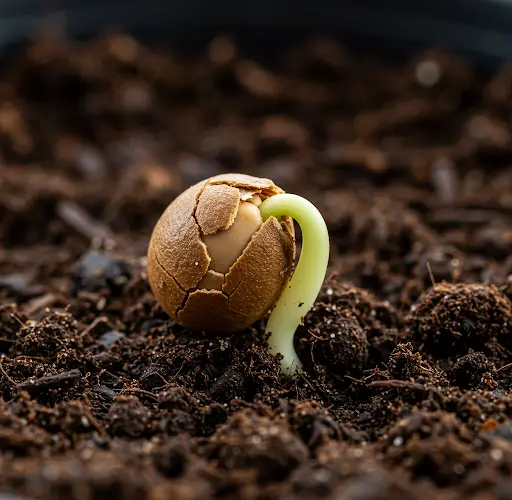
Growing your own seeds and seedlings is an important step toward self-sufficiency, especially for those interested in organic gardening. When purchasing planting material from nurseries, garden centers, or markets, there is always uncertainty regarding its quality and whether it has been treated with chemicals. By producing your own seedlings, you can control the quality of the plants, ensure they are organic, and cultivate stronger, healthier crops.
For beginner gardeners, preparing planting material can be a daunting task. Certain plant seeds, such as beans or carrots, can be sown directly into the soil, but others—like tomatoes and peppers—are best started indoors in containers before being transplanted outdoors. The reason for this method is that these plants require stable, warm temperatures to grow properly. In many climates, it is not safe to transplant tomatoes and peppers into the garden until nighttime temperatures have warmed sufficiently, typically in May.
Producing seedlings at home requires some patience and knowledge, but it is entirely achievable, even for beginners. There are simple techniques to encourage fast germination and achieve high-quality seedlings. One of the easiest and most effective methods involves using basic household items: jar lids, cotton wool, and chamomile tea.
Step 1: Preparing the Germination Environment
To begin, gather clean jar lids—these will serve as small trays for germinating seeds. Next, place a piece of cotton wool inside each lid. Cotton wool helps retain moisture and provides a soft, protective base for the seeds. Once the cotton wool is in place, pour cooled chamomile tea over it. Chamomile tea is known for its antifungal properties, which help prevent mold and bacterial growth, giving seeds a healthy start.
Allow the tea to fully soak the cotton wool, but avoid making it excessively wet. Too much water can cause the seeds to rot rather than germinate. After preparing the cotton wool, evenly distribute tomato or pepper seeds on its surface. If using seeds from different varieties, be sure to label them accordingly to keep track of their growth and characteristics.
Step 2: Creating a Warm, Moist Environment
Once the seeds are arranged on the cotton wool, cover the jar lids with transparent cling film. This helps create a mini-greenhouse effect, retaining warmth and moisture—both essential for germination. Place the covered lids in a warm, indoor location with stable room temperature. Avoid exposing them to direct sunlight, as excessive heat can dry out the cotton wool and inhibit germination.
Tomato seeds typically begin to germinate within four days. You may start noticing tiny sprouts emerging from the seeds. Pepper seeds, on the other hand, take slightly longer—usually around a week to ten days. Once the majority of the seeds have sprouted, they are ready to be transferred to containers with soil.
Step 3: Transplanting Germinated Seeds into Containers
For the next stage, prepare small planting containers by filling them with a high-quality seed-starting mix. This type of soil is light, well-draining, and rich in nutrients, providing the best environment for young seedlings. If you do not have a specialized seed-starting mix, a combination of garden soil and compost can work as well.
Using a pencil or similar tool, create small holes about 1 cm deep in the soil. Carefully pick up the sprouted seeds using tweezers to avoid damaging the delicate roots. Place each seedling into a hole and gently cover it with soil. After planting, lightly water the soil using a spray bottle or sprinkler to prevent excessive disturbance of the seedlings. Avoid using a watering can, as a strong stream of water can displace the seedlings or compact the soil too much.
Step 4: Caring for Seedlings
After transplanting, place the containers in a well-lit area with plenty of natural light. A windowsill with indirect sunlight or an area with grow lights works best. Seedlings should be kept at room temperature to continue growing steadily. As the plants develop, they will need regular watering, but be careful not to overwater, as excessive moisture can lead to root rot.
As the seedlings grow stronger, they can be transplanted into larger containers if needed. However, if you start them in sufficiently large pots from the beginning, they can remain there until they are ready for outdoor planting. Before transplanting them into the garden, it is important to harden them off. This process involves gradually exposing the seedlings to outdoor conditions over the course of a week, helping them adjust to temperature fluctuations, sunlight, and wind.
Benefits of Starting Your Own Seedlings
There are many advantages to growing your own tomato and pepper seedlings. First and foremost, you have full control over the quality and health of your plants. Store-bought seedlings may have been treated with pesticides or grown in less-than-ideal conditions. By starting your own, you ensure that they are grown organically and in a nurturing environment.
Additionally, this method allows you to experiment with different seed varieties that may not be available at nurseries or garden centers. Heirloom tomatoes, specialty peppers, and unique hybrids can all be started from seeds you save year after year, leading to a more diverse and rewarding garden.
Finally, starting your own seedlings can be a cost-effective approach to gardening. Purchasing young plants each season can be expensive, but a single packet of seeds contains enough for multiple planting seasons. By following simple techniques like the cotton wool and chamomile tea method, you can ensure high germination rates and healthy plant development.
Final Thoughts
Producing your own tomato and pepper seedlings may seem intimidating at first, but with the right techniques, it can be a simple and rewarding process. By using common household materials like jar lids and cotton wool, combined with the natural benefits of chamomile tea, you can successfully germinate seeds and grow strong seedlings for your garden.
This method is particularly useful for beginners and small-space gardeners, as it requires minimal effort and resources. Whether you are growing in a backyard, on a balcony, or indoors, starting your own seedlings is a great way to ensure healthy, productive plants.
Have you tried this method before? Do you use a different approach for germinating seeds? Share your thoughts and experiences in the comments below!


