How to Get Rid of Moles in the Garden, Yard, or Lawn?
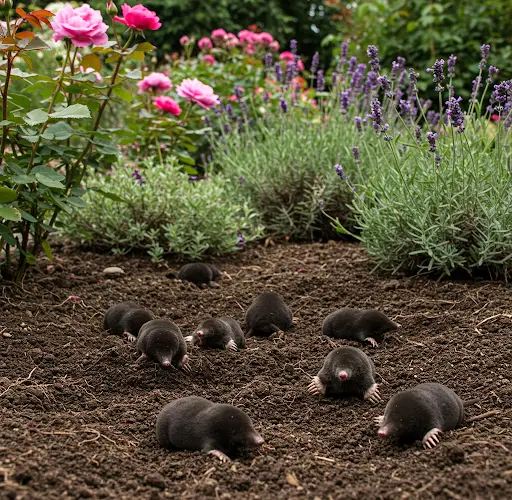
If you’ve noticed small piles of freshly dug soil scattered across your lawn or garden, chances are moles have made their way onto your property. These small, burrowing mammals can be both a nuisance and a benefit. While they do not eat plants, their tunneling habits can wreak havoc on gardens, lawns, and vegetable patches. This article explores how to manage mole activity effectively using natural, humane, and preventative methods.
Why Do Moles Create Mounds of Soil?
Moles are insectivores, meaning they primarily feed on earthworms, larvae, and other underground insects. As they tunnel through the soil in search of food, they push excess dirt to the surface, forming the familiar molehills. Unlike some other burrowing animals, moles rarely reuse tunnels and continuously dig new pathways, increasing the likelihood of damage to your garden or lawn.
Are Moles Really That Harmful?
Before jumping to extermination methods, it’s essential to assess whether moles are actually a threat to your garden. On the one hand, they provide several ecological benefits:
- Pest Control: Moles consume insect pests such as grubs, larvae, and beetles that can damage plant roots.
- Soil Aeration: Their digging improves soil structure and promotes better drainage and root growth.
However, despite these benefits, their burrowing can create problems:
- Root Damage: Continuous tunneling can disrupt plant roots, stunting growth or even killing plants.
- Lawn Damage: Molehills and ridges can make a lawn look unsightly and interfere with mowing.
- Increased Weed Growth: The exposed soil from mole activity creates an ideal environment for weeds to sprout.
Natural and Humane Ways to Get Rid of Moles
While some people resort to poison or harmful chemicals, there are numerous humane and environmentally friendly methods to manage mole activity.
1. Mole Traps
One of the most effective ways to control moles is by using specially designed mole traps. These traps should be placed early in the spring when mole activity is first noticed or after the first autumn rains. There are various types of traps, including:
- Scissor traps
- Harpoon traps
- Tunnel traps
Set the traps in active tunnels and check them regularly. If used correctly, they can help reduce the mole population significantly.
2. Natural Mole Repellents
There are several natural repellents that can deter moles without causing harm:
- Castor Oil Solution: Mix three tablespoons of castor oil with one liter of water and pour it into mole tunnels. The strong smell repels moles and discourages them from returning.
- Garlic and Cayenne Pepper: These strong-smelling substances can be sprinkled around molehills to drive moles away.
- Used Coffee Grounds: Sprinkling coffee grounds over mole tunnels can be an effective deterrent.
3. Wind-Powered Mole Deterrents
Moles dislike noise and vibrations, making wind-powered deterrents a simple yet effective solution. You can:
- Bury an empty glass bottle, with the neck exposed, near mole tunnels. The wind passing through the bottle creates a whistling sound that disturbs moles.
- Use vibrating mole stakes or solar-powered sonic repellents, which emit underground sound pulses that irritate moles and encourage them to move elsewhere.
4. Planting Mole-Repelling Plants
Certain plants naturally repel moles due to their strong smell. Consider planting the following around your garden to discourage mole activity:
- Marigolds
- Daffodils
- Fritillarias
- Castor bean plants (Caution: These are toxic to pets and humans)
5. Creating a Mole Barrier
A physical barrier can prevent moles from infiltrating your garden. To do this:
- Dig a trench about 60 cm deep and 15 cm wide around the garden.
- Fill it with gravel, wire mesh, or metal sheeting to block moles from burrowing into the protected area.
6. Encouraging Natural Predators
Moles have natural enemies, such as:
- Snakes
- Owls
- Foxes
- Cats and Dogs
While you may not be able to introduce wild predators to your yard, simply having a dog or cat around can make moles uncomfortable enough to leave.
7. Homemade Herbal Repellent
A natural solution can be made using stinging nettle or walnut leaves:
- Place leaves in a plastic container, cover them with water, and let the mixture sit in the sun for 3-4 days.
- Remove the leaves and dilute the solution with water in a 1:5 ratio.
- Pour the liquid into mole tunnels several times a week.
Preventing Moles from Returning
Once you have successfully removed moles from your yard, take preventive measures to ensure they do not return:
- Regular Soil Tilling: Loose, freshly tilled soil is less attractive to moles, as they prefer undisturbed areas.
- Eliminate Food Sources: Reduce the number of grubs and larvae in your soil by using beneficial nematodes or organic pest control methods.
- Maintain a Dry Yard: Moles prefer moist soil, so improving drainage and reducing excessive watering can make your yard less appealing.
Methods to Avoid
While some people suggest using toxic substances like petroleum or burnt oil, these methods are harmful to the environment and can contaminate the soil, affecting plant growth and groundwater quality. Similarly, mole poison is not recommended due to its negative impact on the ecosystem and potential risks to other wildlife and pets.
Conclusion
Moles are not entirely harmful, and in some ways, they benefit the ecosystem. However, if their tunneling causes significant damage, humane and natural solutions can effectively deter them. Using a combination of traps, natural repellents, barriers, and preventive strategies, you can maintain a beautiful, mole-free garden without resorting to harmful chemicals.
By understanding the behavior of moles and implementing the right control measures, you can keep your lawn and garden in top shape while respecting the balance of nature.


