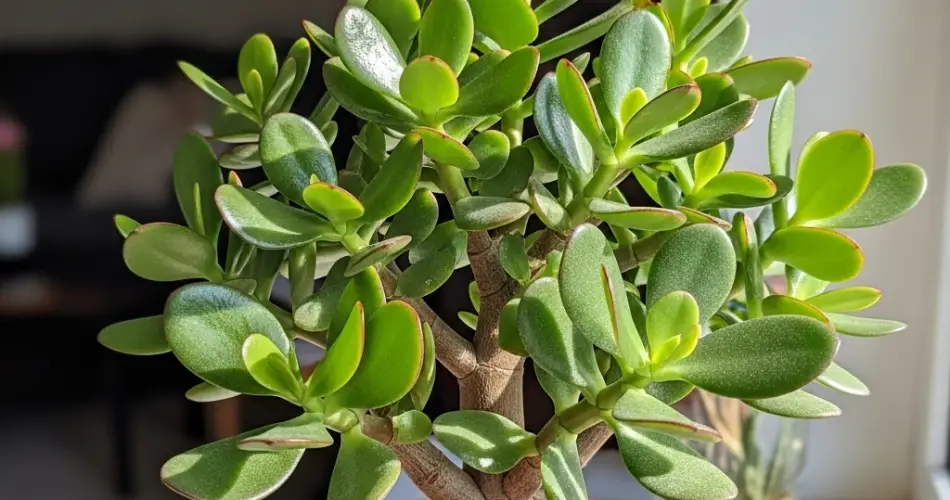
Jade plants (Crassula ovata) are cherished succulents known for their thick, glossy leaves, resilience, and tree-like appearance. While they are relatively low-maintenance, understanding their seasonal needs for watering and feeding ensures healthy growth year-round. Like many succulents, jade plants have periods of active growth and dormancy, and adjusting care routines to match these cycles promotes robust foliage, strong stems, and long-term vitality.
Spring: The Season of Renewal
Spring marks the beginning of the jade plant’s active growth phase. Days lengthen, temperatures rise, and the plant begins producing new leaves and stems. During this season:
-
Watering: Gradually increase watering frequency as the soil begins to dry out between sessions. Use the “soak and dry” method—water thoroughly, then allow the top 1–2 inches of soil to dry before watering again.
-
Feeding: Apply a balanced succulent or houseplant fertilizer every 4–6 weeks. Dilute fertilizer to half strength to prevent nutrient burn while supporting new growth.
-
Repotting: Spring is an ideal time for repotting, especially if the plant has outgrown its container or if roots need inspection. Fresh, well-draining soil provides nutrients and improves aeration.
By aligning watering and feeding with the spring growth cycle, jade plants build energy reserves for healthy development.
Summer: Supporting Vigorous Growth
During summer, jade plants continue their active growth, often producing new branches and thickening stems. Care adjustments during this time include:
-
Watering: Maintain regular watering, ensuring the soil dries between sessions. Avoid overwatering, as excessive moisture in warm conditions can lead to root rot.
-
Light exposure: Provide bright, indirect sunlight to maintain deep green leaves. Rotate the plant periodically to ensure even light distribution.
-
Fertilization: Continue light feeding every 4–6 weeks to support ongoing growth. Supplement with trace elements, such as magnesium or iron, if leaf coloration appears pale.
Summer care focuses on supporting energy-intensive growth while preventing stress from heat or excess moisture.
Autumn: Transitioning Toward Dormancy
As daylight shortens and temperatures begin to cool, jade plants start preparing for dormancy. Adjusting care in autumn helps the plant transition smoothly:
-
Watering: Gradually reduce watering frequency. Monitor soil moisture carefully, as cooler temperatures slow evaporation and plant uptake.
-
Feeding: Stop fertilization by late autumn. Providing nutrients during dormancy can encourage new growth that may be vulnerable to cold or insufficient light.
-
Pruning: Remove any damaged or leggy stems to maintain shape and encourage healthy structure for the next growing season.
Autumn care emphasizes moderation, ensuring the plant does not continue vigorous growth when energy should be conserved.
Winter: Maintaining Dormant Health
Winter is the jade plant’s dormant season. Growth slows, and the plant requires minimal water and no fertilizer:
-
Watering: Water sparingly, just enough to prevent leaves from shriveling. Typically, watering once every 3–4 weeks is sufficient, depending on indoor humidity and temperature.
-
Light: Place the plant near bright windows to maximize available sunlight during shorter days. Adequate light supports leaf coloration and overall plant health.
-
Temperature: Keep the plant in a cool but frost-free environment. Avoid placing jade plants near cold drafts, heaters, or air conditioners, which can stress the foliage.
During winter, the goal is to maintain the plant’s health without encouraging unnecessary growth.
Monitoring and Adjusting Care
While seasonal guidelines provide a framework, individual jade plants may require adjustments based on their environment:
-
Indoor humidity: Dry indoor air in winter may require slightly more frequent watering.
-
Pot size and soil: Smaller pots or dense soil may dry out faster, necessitating careful monitoring.
-
Light conditions: Plants placed in low-light areas may require reduced watering to prevent waterlogging.
Observation and flexibility are key to ensuring jade plants thrive year-round.
Final Thoughts
Understanding the seasonal cycles of jade plants allows for precise care that matches their growth patterns. By adjusting watering and feeding routines throughout the year, you can encourage vigorous growth in spring and summer, support a smooth transition in autumn, and maintain health during winter dormancy.
With thoughtful, seasonally attuned care, jade plants can live for decades, producing lush, glossy leaves, sturdy stems, and a commanding presence in any indoor space. Following these practices ensures your jade plant remains resilient, attractive, and thriving throughout every stage of the year.


