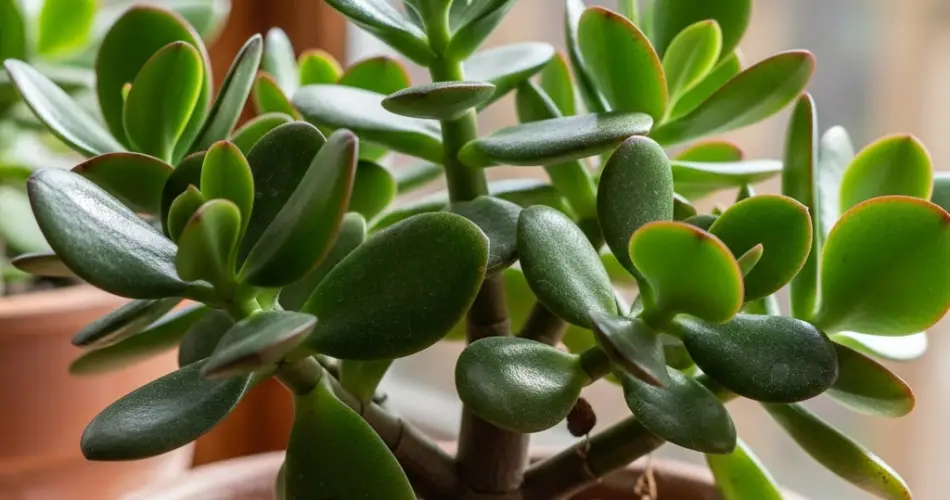
The jade plant (Crassula ovata) is a beloved succulent, admired for its thick, glossy leaves, sturdy branches, and resilience. One of the joys of growing jade plants is their ease of propagation. With simple techniques, you can multiply your collection or share these hardy plants with friends and family. Propagation can be done using either leaf or stem cuttings, and with proper care, new plants develop roots, leaves, and eventually mature into full-sized jade plants.
This guide covers step-by-step methods for propagating jade plants, along with tips for ensuring healthy growth from cuttings.
Why Propagate Jade Plants
Jade plants are slow-growing, but propagation allows gardeners to expand their collection more quickly. Propagating from cuttings also enables you to:
-
Preserve a desirable plant shape or color.
-
Rescue sections from older or leggy plants.
-
Create gift plants for friends, family, or fellow gardeners.
-
Encourage a new generation of healthy, vibrant plants from existing specimens.
Whether using leaf or stem cuttings, propagation is straightforward and rewarding.
Tools and Materials Needed
Before starting, gather the following items:
-
A healthy jade plant.
-
Sharp, sterilized scissors or pruning shears.
-
Small pots or trays with drainage holes.
-
Well-draining succulent or cactus soil.
-
Optional rooting hormone to encourage faster root growth.
Proper tools and materials reduce the risk of infection and improve the success rate of your cuttings.
Propagating from Leaf Cuttings
Leaf propagation is ideal for beginners or when working with individual leaves from the plant.
Step 1: Select a Healthy Leaf
Choose a plump, firm leaf with no signs of disease or damage. Gently twist or cut the leaf at its base to remove it from the stem.
Step 2: Allow the Leaf to Callous
Place the leaf in a dry, shaded area for a few days to let the cut end form a callus. This step prevents rot when the leaf is planted.
Step 3: Plant the Leaf
Once the cut end has calloused, place the leaf on top of well-draining soil. You can lightly press the base into the soil, but do not bury it completely.
Step 4: Water Sparingly
Mist the soil lightly every few days, ensuring it stays slightly damp but never soggy. Overwatering can cause the leaf to rot.
Step 5: Wait for Roots and New Growth
After several weeks, tiny roots and new leaves will begin to emerge from the base of the leaf. At this stage, gradually increase sunlight exposure to encourage healthy growth.
Propagating from Stem Cuttings
Stem cuttings are a faster method for producing larger, established plants.
Step 1: Choose a Healthy Stem
Select a firm, healthy branch with several leaves. Using sterilized scissors, cut a 3–5 inch section of stem. Remove any leaves from the lower portion of the cutting.
Step 2: Allow the Cutting to Callous
Place the cutting in a dry, shaded area for several days until the cut end forms a callus. This reduces the risk of rot when planted.
Step 3: Plant the Stem Cutting
Insert the calloused end into well-draining soil, burying the bottom 1–2 inches. Ensure the cutting stands upright.
Step 4: Water and Provide Light
Water sparingly, allowing the soil to dry out between waterings. Place the cutting in bright, indirect light. Too much direct sunlight can stress the young cutting.
Step 5: Monitor for Root Growth
Within a few weeks, roots will start to develop, and new leaves may appear at the top of the stem. Once established, gradually introduce the cutting to more sunlight and continue normal care routines.
Tips for Successful Jade Plant Propagation
-
Use healthy parent plants to increase the success rate.
-
Avoid overwatering, as excess moisture is the leading cause of rot.
-
Maintain a warm, stable environment; jade plants root best at temperatures between 65–75°F (18–24°C).
-
Patience is key; some cuttings may take several weeks to develop roots and new leaves.
-
Optional: lightly dusting cut ends with rooting hormone can speed up root development.
Post-Propagation Care
Once cuttings establish roots and begin producing new leaves, transition them into regular care:
-
Plant in a slightly larger pot with well-draining soil.
-
Gradually increase exposure to bright, indirect sunlight.
-
Water moderately, allowing the soil to dry between waterings.
-
Fertilize lightly during the growing season to encourage strong, healthy growth.
Conclusion
Propagating jade plants from leaf or stem cuttings is a rewarding way to expand your collection or share plants with others. By selecting healthy material, allowing cuttings to callous, and providing proper soil, light, and watering conditions, new jade plants can thrive and grow into robust, long-lasting specimens. With patience and consistent care, each cutting develops roots, leaves, and eventually a full plant, turning one jade plant into many thriving green companions.


