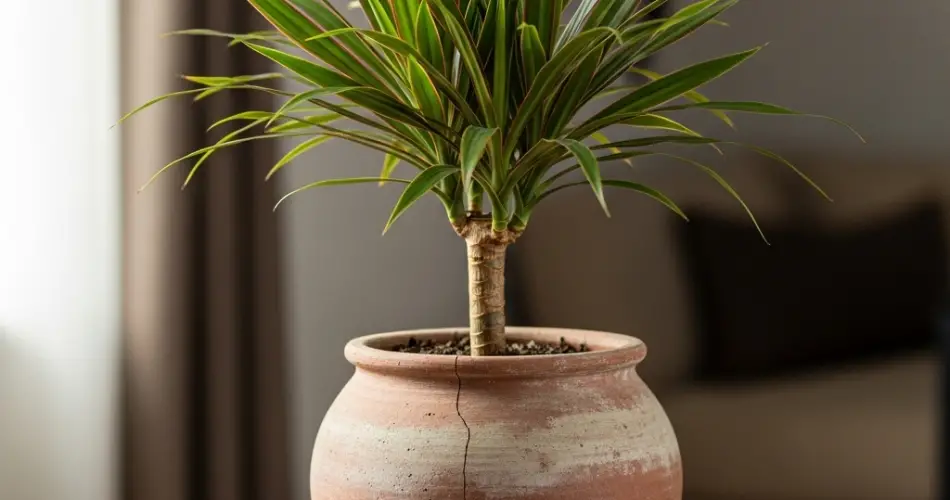
Dracaena plants are among the most popular indoor greenery choices, admired for their elegant foliage, easygoing nature, and adaptability to a range of environments. While they are generally low-maintenance, they still respond to seasonal changes in light, temperature, and humidity. Adjusting your care routine throughout the year ensures your Dracaena remains vibrant and healthy no matter the season.
Whether you’re caring for varieties like Dracaena marginata, Dracaena fragrans, or Dracaena reflexa, understanding their seasonal needs will help you prevent problems like leaf drop, yellowing, or stunted growth.
Spring: Encouraging Growth
Spring marks the start of the plant’s active growing season. As daylight hours increase and temperatures rise, Dracaena will naturally begin producing new leaves and extending its stems. This is the ideal time to boost care to support growth.
Spring care tips:
-
Increase watering slightly – The plant will use more moisture as it grows, but always check the top 1–2 inches of soil before watering to avoid overwatering.
-
Start fertilizing – Apply a balanced liquid fertilizer diluted to half strength every 4–6 weeks. Fertilizing during this time helps fuel leaf production.
-
Repot if needed – If roots are circling the pot or pushing out of drainage holes, spring is the best time to move your Dracaena into a slightly larger container with fresh, well-draining soil.
-
Prune for shape – Remove any damaged or yellowing leaves, and trim tall stems to encourage branching.
Spring is also a great time to clean the leaves. Use a damp cloth to wipe away dust, improving both the plant’s appearance and its ability to absorb light.
Summer: Managing Heat and Light
Summer brings stronger sunlight and warmer indoor temperatures, which can benefit your Dracaena if managed carefully. While these plants love bright, indirect light, direct sun can scorch their leaves, especially for varieties with variegation.
Summer care tips:
-
Adjust light exposure – Place the plant in bright but filtered light. A sheer curtain can protect it from harsh midday sun.
-
Monitor watering needs – Warm conditions may cause soil to dry out faster. Check soil moisture more frequently, but still allow the top layer to dry before watering again.
-
Increase humidity – If your home gets dry from air conditioning, mist the leaves occasionally or place a humidity tray nearby.
-
Watch for pests – Summer can bring spider mites, mealybugs, and scale insects. Inspect the leaves regularly and treat infestations promptly.
Autumn: Transitioning to Dormancy
As autumn arrives, daylight hours shorten, and temperatures gradually cool. This signals your Dracaena to slow its growth in preparation for its semi-dormant winter phase.
Autumn care tips:
-
Reduce watering – With slower growth, the plant will use less water. Let the top 2 inches of soil dry before watering again.
-
Pause heavy fertilizing – This is the time to taper off feeding so the plant can rest. A light application once before winter is enough.
-
Rotate the plant – As sunlight becomes less intense, rotate the pot every couple of weeks to ensure even light exposure.
-
Remove fading leaves – Cleaning up older foliage helps prevent fungal issues and keeps the plant looking neat.
Winter: Conserving Energy
In winter, Dracaena plants enter their resting stage. Growth slows significantly, and the plant focuses on maintaining existing leaves rather than producing new ones.
Winter care tips:
-
Water sparingly – Overwatering during dormancy is a leading cause of root rot. Only water when the soil feels dry at least 2 inches deep.
-
Provide steady temperatures – Keep the plant away from cold drafts, space heaters, or fluctuating temperatures. Aim for a range of 65–75°F (18–24°C).
-
Maximize available light – Short winter days mean less sunlight. Move the plant closer to a bright window or use a grow light to supplement.
-
Avoid fertilizing – Wait until spring to resume feeding.
General Year-Round Care
No matter the season, certain care practices remain important:
-
Clean leaves regularly to improve appearance and photosynthesis.
-
Check for pests during every cleaning session.
-
Use the right water – Dracaena can be sensitive to fluoride and chlorine in tap water. Use filtered or distilled water when possible.
-
Ensure good drainage – Always use pots with drainage holes and avoid letting water sit in the saucer.
Troubleshooting Seasonal Issues
-
Brown tips in winter – Often caused by low humidity or fluoride in water.
-
Yellow leaves in autumn or winter – Usually due to overwatering during dormancy.
-
Leaf drop in autumn – Can be normal seasonal shedding, especially for older leaves at the base.
By adjusting your routine to the plant’s natural growth cycle, you help your Dracaena stay strong, resist disease, and maintain its striking foliage year after year.
Final Thoughts
Seasonal care is the key to long-term success with Dracaena plants. Spring and summer are for growth—providing more water, nutrients, and light—while autumn and winter focus on rest, requiring reduced watering and minimal feeding. By making these small adjustments, you create an environment that supports the plant’s natural rhythm, ensuring beauty and vitality in every season.
With the right balance of attention and restraint, your indoor Dracaena will thrive for many years, bringing elegance and fresh greenery to your living space.


