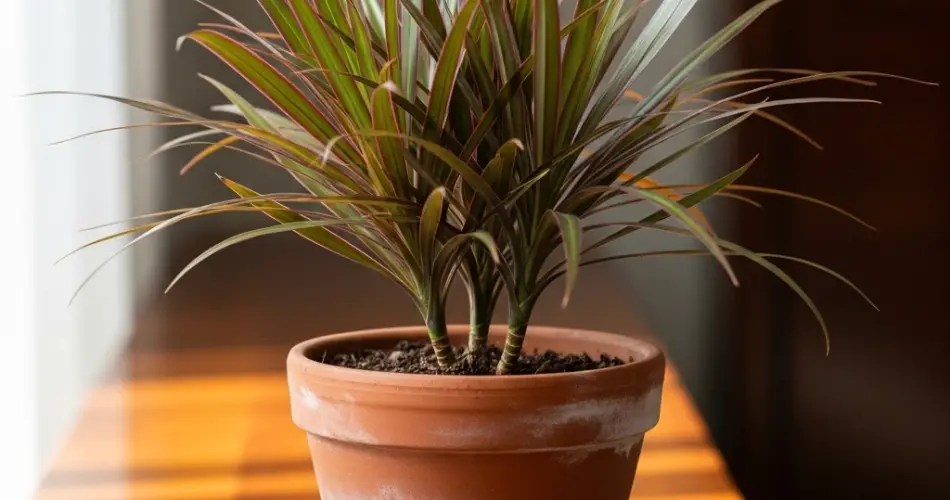
Dracaena plants are popular for their striking, sword-like leaves and resilience in various indoor environments. While they thrive in bright, indirect sunlight, many varieties can adapt to low-light conditions, making them an excellent choice for homes and offices without much natural light. However, growing Dracaena in low-light areas requires a slightly different care approach to ensure it remains healthy, vibrant, and free of stress.
Below are the best techniques for successfully caring for Dracaena in low-light settings.
1. Choose the Right Dracaena Variety
Not all Dracaena varieties adapt equally well to low light. Some tolerate shade better than others.
-
Dracaena fragrans (Corn Plant) – Known for its broad leaves and high tolerance for low light.
-
Dracaena marginata (Dragon Tree) – Can adapt to less light, though growth will be slower.
-
Dracaena deremensis ‘Janet Craig’ – Particularly suited to dim interiors.
Selecting a low-light-friendly variety gives you a better chance of success and healthier foliage.
2. Position the Plant Strategically
Even low-light plants need some brightness. Dracaenas do best with indirect light, even if it’s minimal.
-
Place the plant near a north-facing window or a spot where it gets filtered daylight.
-
Avoid placing it in complete darkness—low light is not the same as no light.
-
If the space is very dim, consider using a full-spectrum grow light for a few hours daily.
Proper placement ensures your Dracaena gets just enough light to maintain its color and vitality.
3. Adjust Watering for Low-Light Growth
In low light, plants photosynthesize less and use water more slowly. Overwatering becomes a common problem.
-
Check the soil before watering—allow the top inch to dry out.
-
Use a pot with good drainage to prevent root rot.
-
Water less frequently during winter or in cooler conditions.
Dracaenas in low light prefer slightly drier soil compared to those in brighter areas.
4. Maintain a Consistent Temperature
Temperature fluctuations can stress a Dracaena, especially when it’s already growing in lower light.
-
Keep the plant in a stable range of 65°F to 80°F (18°C–27°C).
-
Avoid placing it near cold drafts, heating vents, or air conditioners.
-
In offices, keep it away from doors that open frequently to the outdoors.
Stable temperatures help your plant conserve energy for slow, steady growth.
5. Moderate Feeding to Match Slower Growth
Lower light slows the plant’s metabolism, so it requires fewer nutrients.
-
Use a balanced, water-soluble fertilizer at half-strength every 6–8 weeks during the growing season.
-
Avoid over-fertilizing, which can cause salt buildup and leaf tip burn.
-
Skip feeding during the dormant winter months.
Matching feeding to the plant’s actual needs prevents stress and leaf damage.
6. Keep Humidity at a Comfortable Level
Low-light areas are often indoors, where air can be dry—especially with heating or air conditioning.
-
Maintain humidity between 40% and 60%.
-
Mist the leaves occasionally or place the pot on a humidity tray filled with pebbles and water.
-
Grouping plants together can naturally increase humidity in the area.
Adequate humidity helps prevent leaf edges from browning and keeps foliage lush.
7. Clean the Leaves Regularly
Dust buildup can block the limited light available to your Dracaena.
-
Wipe the leaves gently with a damp, soft cloth every 2–3 weeks.
-
Avoid chemical leaf shine products, which can clog leaf pores.
Clean leaves absorb light more effectively and stay healthier in low-light conditions.
8. Prune to Encourage Fresh Growth
In lower light, Dracaenas may grow more slowly and develop longer stems with sparse leaves.
-
Trim back leggy stems to encourage branching.
-
Remove any yellowing or damaged leaves promptly.
-
Always use sterilized pruning shears to prevent disease spread.
Pruning not only improves appearance but also stimulates new, healthy foliage.
9. Rotate the Plant Periodically
If your Dracaena leans toward the light source, rotate the pot every few weeks. This helps maintain an even, balanced shape.
10. Monitor for Pests
Low-light environments can sometimes make plants more susceptible to pests like spider mites, mealybugs, or scale insects.
-
Inspect the plant regularly, especially under the leaves.
-
If pests appear, treat them with insecticidal soap or neem oil promptly.
Early detection prevents pests from spreading and causing long-term damage.
Final Thoughts
Dracaenas can thrive in low-light settings when given the right care adjustments. By choosing the right variety, ensuring proper placement, reducing watering frequency, maintaining stable temperatures, and providing moderate feeding, you can enjoy the beauty of this tropical plant even in the dimmest corners of your home or office. Regular cleaning, pruning, and pest monitoring will keep it healthy and visually striking, proving that even low-light environments can host vibrant, green life.


